
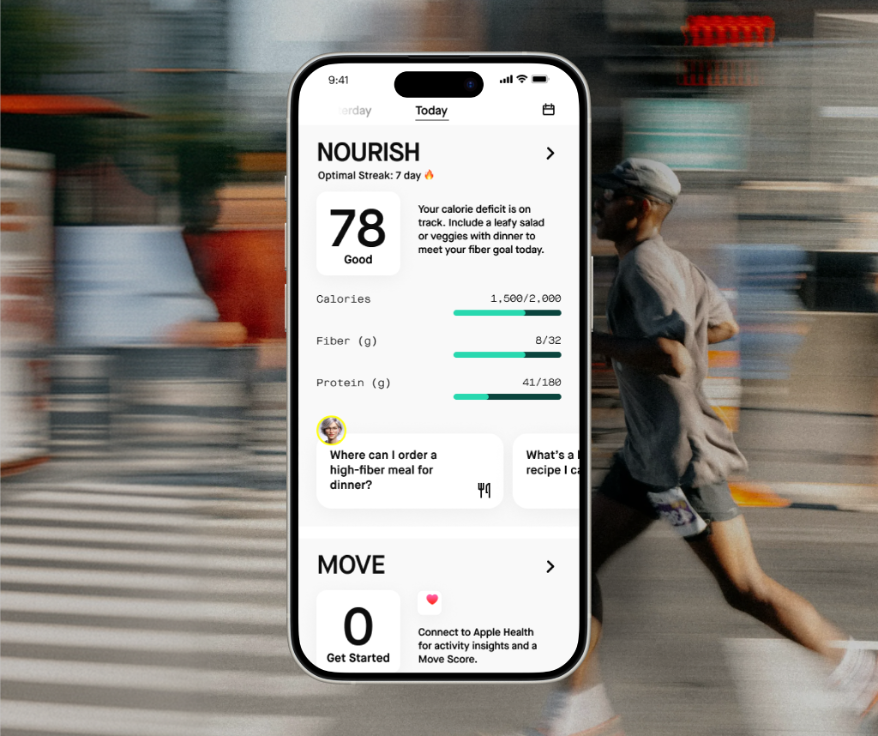
What You Should Know
- January AI has transitioned its science-validated "virtual glucose monitor" technology into a suite of Enterprise APIs, enabling B2B partners to embed AI-powered food recognition and glucose prediction into their own platforms.
- This move allows health systems and longevity companies to turn underutilized lifestyle signals—like photos and wearable data—into structured, metabolic insights at scale.
The "Context Gap": Why Lifestyle Data Often
Read More
Archives for 2026
The Digital Insider: Securing Agentic AI in the 2026 Healthcare Landscape

Hospitals have thrown their doors open to a new kind of technology that can think, act and make changes faster than any human. And with healthcare generating more than 30% of the world’s data, the industry has, for better or worse, become the ultimate proving ground for AI, from all of the good it can support to all of the threats that it amplifies.
AI is being woven into diagnostics, scheduling, documentation and the overarching integration and interoperability plans that make healthcare
Read More
Designing Trust-Centered Digital Health Systems for Sensitive Patient Interactions
Digital health tools now shape many of the most sensitive moments in the patient experience. Individuals use digital platforms to report concerns, describe symptoms they hesitate to discuss in person, and provide feedback that carries emotional weight. When these exchanges occur in digital environments, system design influences whether users feel supported, dismissed, or uncertain about how their information will be handled. Trust becomes a central factor in these moments. As digital health
Read More
KLAS Healthcare IoT Security 2026: Top Vendors Rated for Risk Reduction and ROI
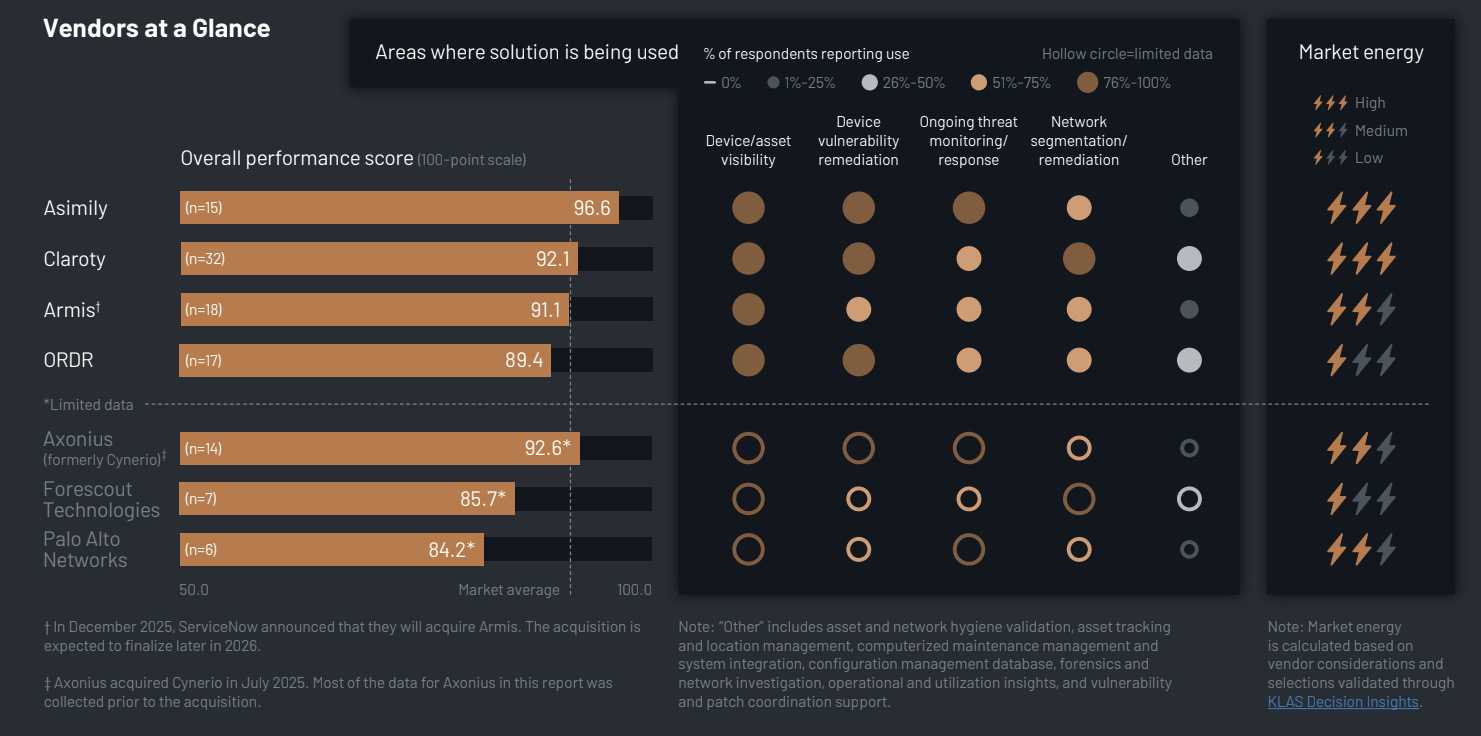
What You Should Know:
A new 2026 report from KLAS Research signals a major shift in the healthcare IoT security market: hospitals are no longer satisfied with just "seeing" their devices—they demand measurable risk reduction. The report names Asimily and Claroty as the market leaders with the highest energy, driven by their ability to deliver tangible outcomes like automated remediation and strong segmentation. Conversely, legacy players are facing scrutiny over complexity and training
Read More
The Unbreakable Web: Building the 2026 Hybrid Network Stack for AI-Driven Care

Artificial intelligence (AI) and the Internet of Things (IoT) are transforming healthcare at a pace that few could have predicted. What once were experimental use cases, predictive diagnostics, real-time patient monitoring, and AI-assisted surgeries are now entering everyday clinical practice. Yet there is one foundational element without which none of this progress can endure: the network infrastructure that connects it all.
In this new era, where every heartbeat, every pixel of a
Read More
The EEG as a ‘Vital Sign’: Ceribell’s AI Pivot to In-Hospital Stroke Detection
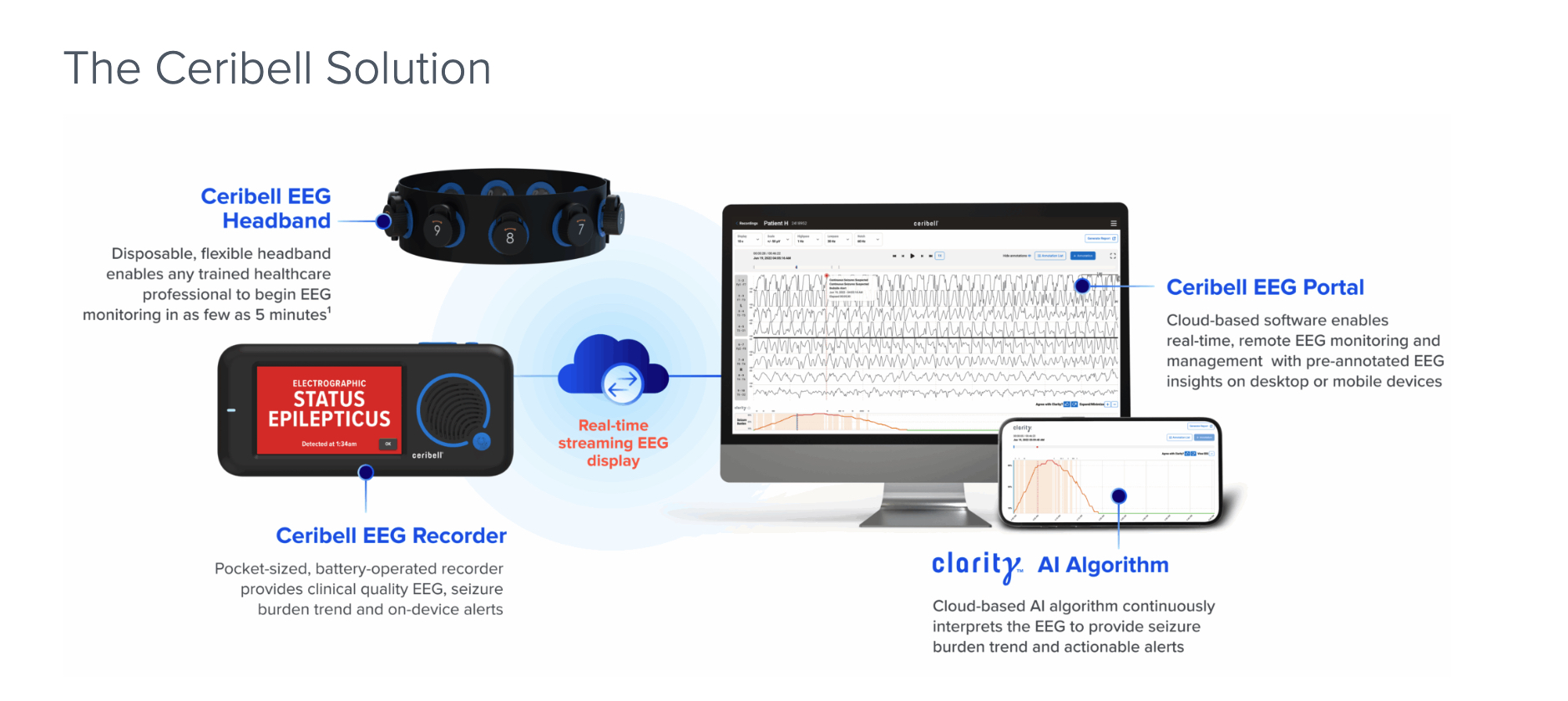
What You Should Know:
- Ceribell’s LVO Stroke Breakthrough In January 2026, the FDA granted Breakthrough Device Designation to Ceribell for its LVO (Large Vessel Occlusion) stroke monitor.
- This first-in-class tool applies an AI algorithm to portable EEG hardware to detect in-hospital strokes—which account for 17% of all strokes and have a mortality rate 3x higher than community-onset strokes. By providing continuous bedside monitoring, it aims to eliminate the "detection gap"
Read More
Mastering the EHR Learning Curve: 2026 Strategies for IT Competency

Professionals across public, acute, and behavioral health rely on electronic health record (EHR) software to support patient care and documentation every day. Entering diagnoses, care plans, and administrative information supports the care continuum, and in-house technology teams help to make this as seamless as possible.
Each new system and wave of advancements requires a learning curve. Examine how IT can navigate a new EHR, and use that knowledge to support clinical end users.
Make IT
Read More
AMA’s Strategic Push for Permanent Medicare Telehealth Reform

What You Should Know
- The AMA is urging Congress to pass permanent authorization of Medicare telehealth services before the current waiver expires on January 30, 2026.
- This advocacy follows a "tumultuous" 2025 in which a 43-day government shutdown caused a 24% national drop in fee-for-service telemedicine visits, demonstrating the extreme sensitivity of patient access to legislative lapses.
The Economic Battle: Challenging CBO Scoring
The crux of the AMA’s issue brief is a
Read More
Abbott Debuts GenAI ‘Libre Assist’ to Tackle Mealtime Decision Fatigue
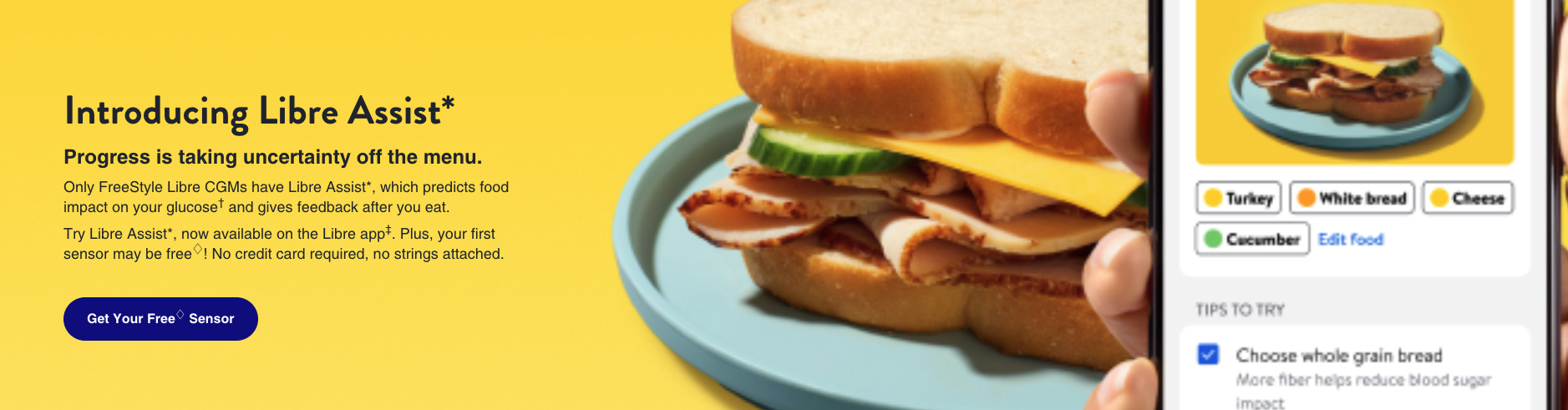
What You Should Know:
- Launched at CES 2026, Abbott’s Libre Assist,is a generative AI feature within the Libre app that predicts glucose impact before consumption.
- Using a color-coded rating (Green/Yellow/Orange), it acts as a "digital twin" for nutrition. The system then "closes the loop" by reconciling its prediction against real-world data from the Libre 3 Plus sensor, providing a medically validated feedback loop.
The Technical Architecture
Libre Assist can be
Read More
The $149 Disruptor: GoodRx WeightWatchers, LifeMD Aggressively Scale Access to FDA-Approved Wegovy Pill

What You Should Know:
- The healthcare landscape is witnessing a seismic shift in obesity care as GoodRx, WeightWatchers LifeMD launch the newly FDA-approved Wegovy pill (oral semaglutide) with a transparent cash-pay price of $149 per month.
- By combining 16.6% mean weight loss efficacy with a vast retail and telehealth infrastructure, this rollout effectively removes the twin barriers of injection hesitancy and opaque "middleman" pricing.
Breaking the Injection Barrier: The
Read More
