
What You Should Know:
- Research Data: New research published in JAMA suggests that video games may be more than just entertainment—they could be a life-saving tool for emergency medicine. A study led by UPMC and the University of Pittsburgh found that emergency physicians who played a specially designed video game were significantly better at triaging severely injured older adults than those who received traditional continuing education.
- The Trial: Published in JAMA, the study followed 800 physicians staffing non-trauma center emergency departments over a year, starting in 2024. Half completed standard continuing medical education (CME), while the other half played the game.
- The Clinical Blindspot: Seriously injured older adults (over 65) are under-triaged in emergency departments as much as 70% of the time because their injuries present insidiously. For example, four fractured ribs in an older adult carry the same mortality risk as a liver gunshot wound in a young person.
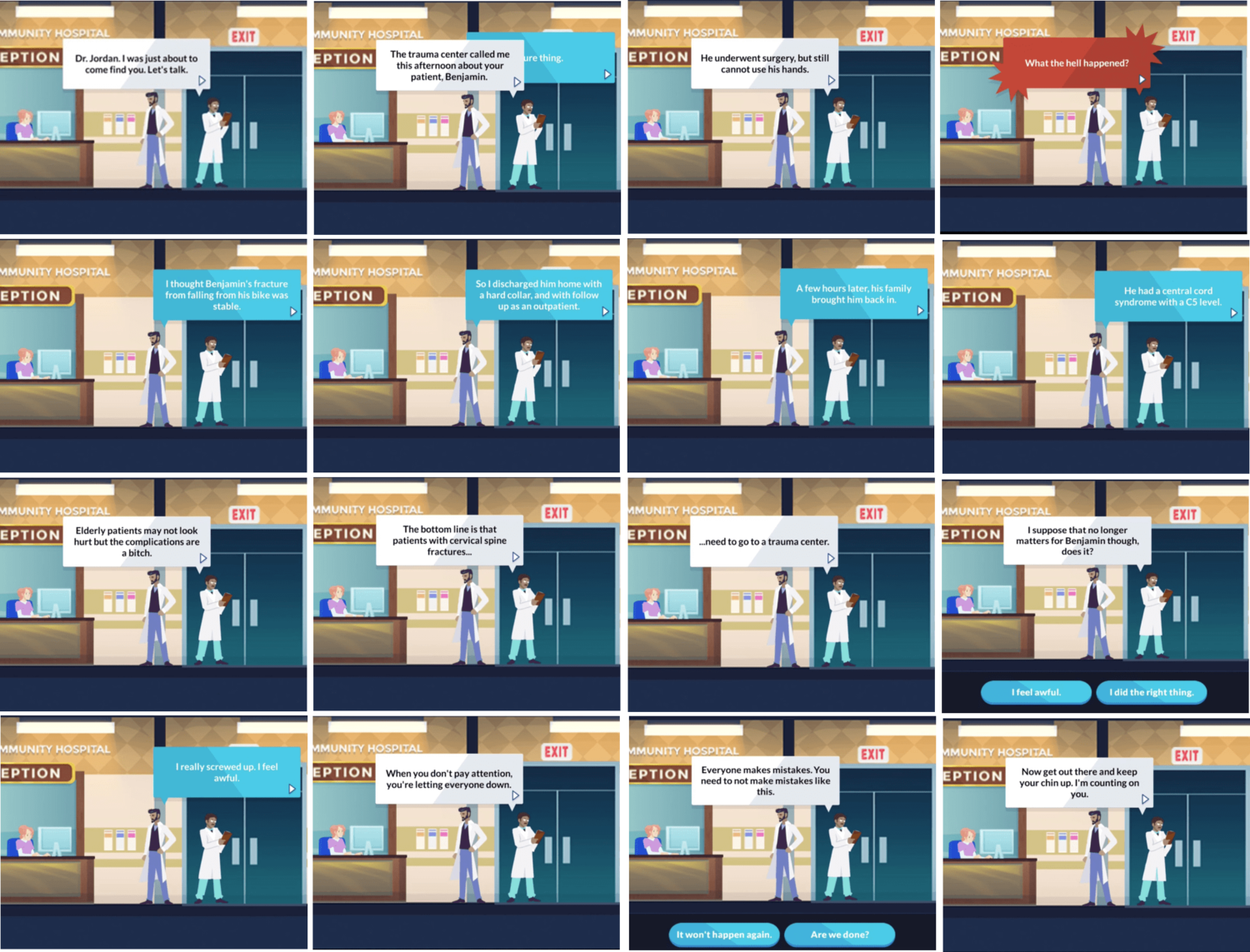
- The Tech Solution: To combat this, Dr. Deepika Mohan (UPMC/University of Pittsburgh) partnered with Carnegie Mellon University and Schell Games to create Night Shift, a video game designed to subconsciously rewire the ingrained decision-making behaviors (heuristics) of emergency physicians.
The Problem: The “Silent” Trauma of Aging
As the population ages, emergency departments are seeing an increasing number of patients over 65 with serious injuries. However, these patients are under-triaged as much as 70% of the time.
- Insidious Injuries: Older adults often present with injuries that appear less severe but are clinically deadly.
- The “Rib Fracture” Paradox: A young person shot in the liver has the same risk of death as an older person who suffers four rib fractures from a fall.
- Heuristics: Physicians often rely on “mental shortcuts” or ingrained decision-making behaviors that can be difficult to change through standard lectures or recertification courses.
“Night Shift”: Rewiring the Physician’s Brain
To tackle this, Dr. Deepika Mohan worked with decision scientists and Schell Games to create Night Shift. The game uses storytelling and high-stakes puzzles to help doctors subconsciously learn better triage habits.
- Emotional Engagement: The game features a young physician in a high-stakes setting where decisions lead to immediate praise or admonishment.
- Decision Puzzles: Players must solve clinical puzzles in under 90 seconds with limited information.
- Subconscious Learning: By tapping into emotions, the game aims to rewire the “heuristics” that lead to under-triage.
Study Results: Game vs. Standard Education
In a year-long randomized trial involving 800 physicians at non-trauma centers:
- Lower Under-Triage: Physicians who played the game had an under-triage rate of 49%, compared to 57% in the control group.
- Diagnostic Accuracy: The game did not lead to “over-triaging.” Both groups transferred stable patients at the same rate, suggesting the game improved actual diagnostic ability rather than just increasing a physician’s willingness to transfer.
- The “Dose” Effect: Adherence to guidelines was highest within 30 days of playing but faded over time. Researchers are now exploring “microdoses”—90-second weekly sessions—to maintain these behavioral changes.
The Future of Medical Recertification
Dr. Mohan views this as the beginning of a broader behavioral intervention that could span the entire spectrum of trauma care, from EMS teams to top-level trauma center clinicians. By replacing costly, time-consuming courses with engaging, evidence-based gaming, healthcare systems may finally find a way to help physicians “rediscover the joy in medicine” while measurably saving lives.
