


What You Should Know
Healthcare professional intelligence leader H1 has acquired Defacto Health, a specialized healthcare data company focused on payer-provider networks, accepted insurance plans, and directory accuracy.The transaction formalizes a long-term data partnership, absorbing Defacto's proprietary directory auditing, error-cluster isolation, and network benchmarking engines directly into H1’s global platform.Defacto will operate directly within H1; co-founders Ron Urwongse and Tarun
Read More
Health IT | News, Analysis, Insights - HIT Consultant
How eClinicalWorks Agentic AI Is Helping Revenue Cycle Leaders Improve Financial Performance

One of the most immediate opportunities for transformation in healthcare is revenue cycle management (RCM), the operational backbone that keeps organizations financially viable.
For years, healthcare organizations have faced growing pressure to improve financial performance while payer requirements evolve; billing regulations become more complex, and qualified RCM staff become harder to find and retain. For many organizations, the challenge is no longer simply doing more with less. It is
Read More
Amazon Pharmacy Expands End-to-End Spanish-Language Platform for 45M Americans
What You Should Know
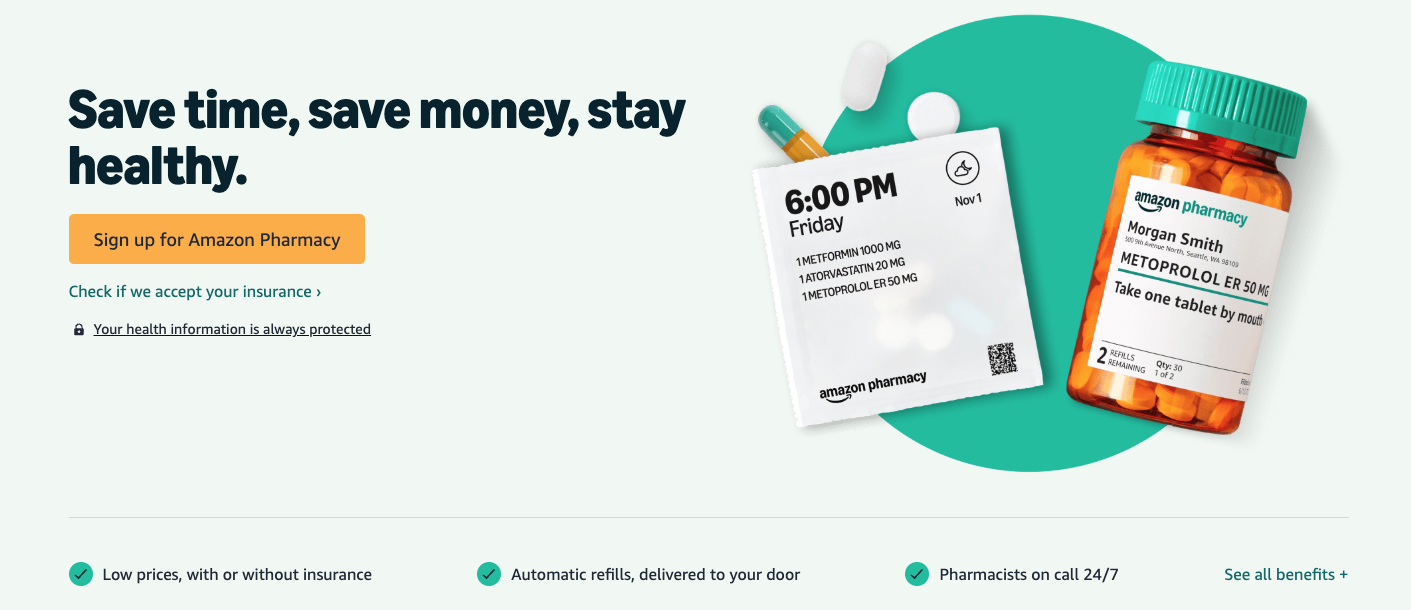
Amazon Pharmacy launched a comprehensive, native Spanish-language pharmacy experience, covering every digital and clinical touchpoint from medication descriptions and transparent checkout pricing to Spanish-language physical prescription packaging.Targets a significant healthcare equity and access divide, addressing the nearly 45 million people in the United States who primarily speak Spanish at home, a population that faces disproportionate uninsured rates and widespread
Read More
Healthcare Doesn’t Need More AI Applications. It Needs Intelligent Orchestration.

Healthcare has entered a new phase of its AI journey.
The industry's early focus was understandable. Organizations wanted to identify practical use cases that could reduce administrative burden, improve productivity, and demonstrate measurable return on investment. AI-assisted documentation, coding assistance, prior authorization, and revenue cycle management have all generated meaningful momentum, proving that the technology can solve real operational challenges.
But as healthcare
Read More
The Critical Role of Situational Awareness in Healthcare Safety and Response

Healthcare organizations have invested heavily in workplace violence prevention programs, emergency preparedness initiatives, and staff safety training. Yet despite these efforts, frontline healthcare workers continue to report alarming rates of violence exposure, burnout, and concerns about their personal safety.
As workplace violence persists and staffing shortages place additional strain on care teams, healthcare leaders increasingly face a critical truth: effective emergency response
Read More
HealthEx Launches Health Record Connector for Meta’s Personal AI Agent Muse
What You Should Know
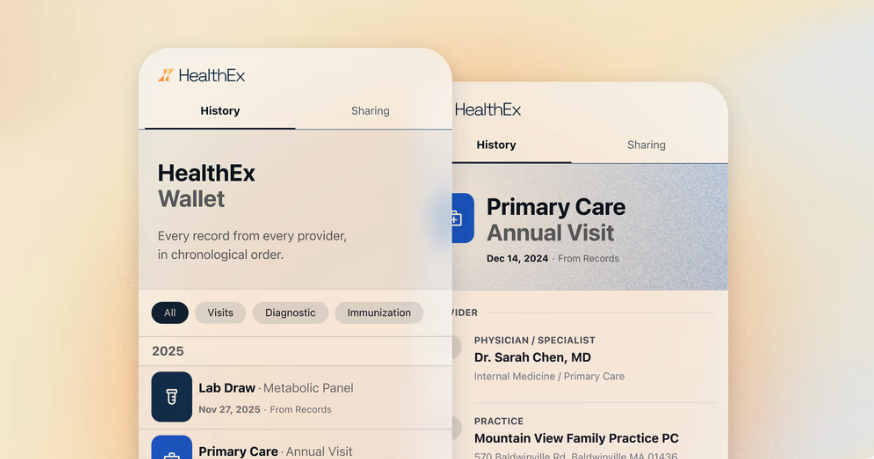
Consumer health data platform HealthEx has launched an integration connector for Muse, Meta’s new personal AI agent, letting U.S. users connect their verified longitudinal health records directly to the AI tool.Resolves the primary limitation of consumer healthcare AI: operating without personal medical context, which leads to generic recommendations and ungrounded chat responses.Built on HealthEx’s role as an Individual Access Services (IAS) provider under the federal
Read More
PatientIQ Closes $30M to Scale EHR-Integrated Outcomes Intelligence and RWE

What You Should Know
Healthcare outcomes intelligence leader PatientIQ has raised $30M in Series C financing led by Chicago-based healthcare private equity firm Hughes & Company, with continued backing from Health Enterprise Partners and August Capital.Since completing its Series B round in 2022, PatientIQ has scaled its EHR-integrated footprint from 200 to more than 870 healthcare provider organizations, covering over 17 million patients and capturing more than 70 million patient
Read More
Mayo Clinic Platform Accelerate Launches Multiyear Pathway for 12 Clinical AI Startups
What You Should Know:
- Mayo Clinic Platform has launched a multiyear pathway program within its Accelerate initiative, announcing an inaugural cohort of 12 health technology companies focused on artificial intelligence across care delivery and enterprise operations.
- Since its launch in 2022, Mayo Clinic Platform Accelerate has supported over 130 portfolio companies globally, historically leaning on structured 30-week tracks.
- The new multiyear pathway expands that
Read More
Rainfall Health Deploys AI Compliance and Reimbursement Platform at Mayo Clinic in Jacksonville
What You Should Know
Mayo Clinic in Jacksonville, Florida, is implementing Rainfall Health’s AI-driven compliance and reimbursement platform to manage care coordination and regulatory quality reporting under the federal Transforming Episode Accountability Model (TEAM).CMS launched TEAM as a mandatory, five-year alternative payment model covering selected hospitals across the country to improve care coordination and spending across five high-volume inpatient surgical episodes.Hospitals face
Read More
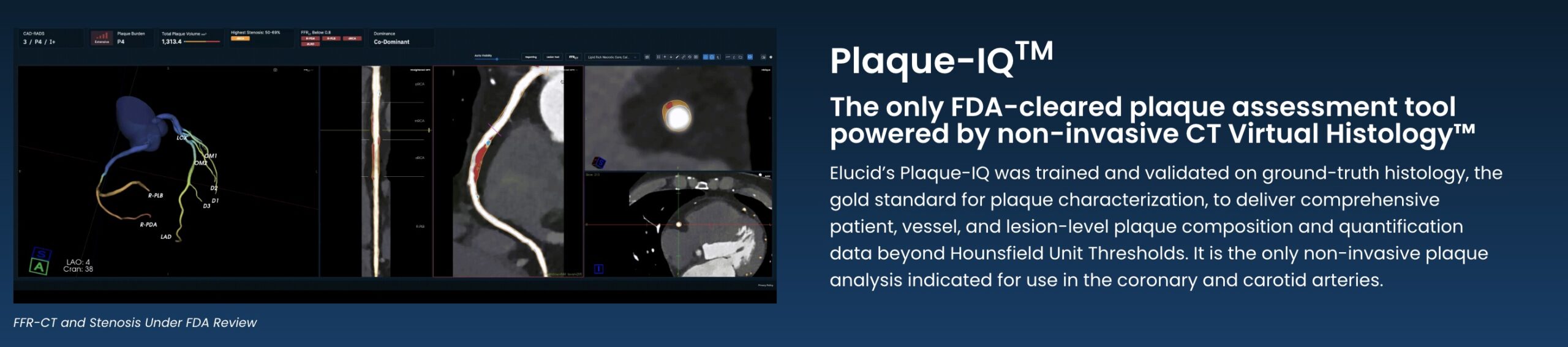
Elucid Raises $55M to Expand Non-Invasive Cardiovascular Diagnostic Platform
What You Should Know
Boston-based cardiovascular medtech innovator Elucid closed an oversubscribed $55M Series D financing round, bringing its cumulative funding to approximately $185M.The round features participation from a new major, publicly traded medical device company—becoming Elucid’s fourth publicly traded strategic backer—alongside existing investors including IAG Capital Partners and Elevage Medical Technologies (a Patient Square Capital platform).Proceeds will accelerate the
Read More
