

What You Should Know
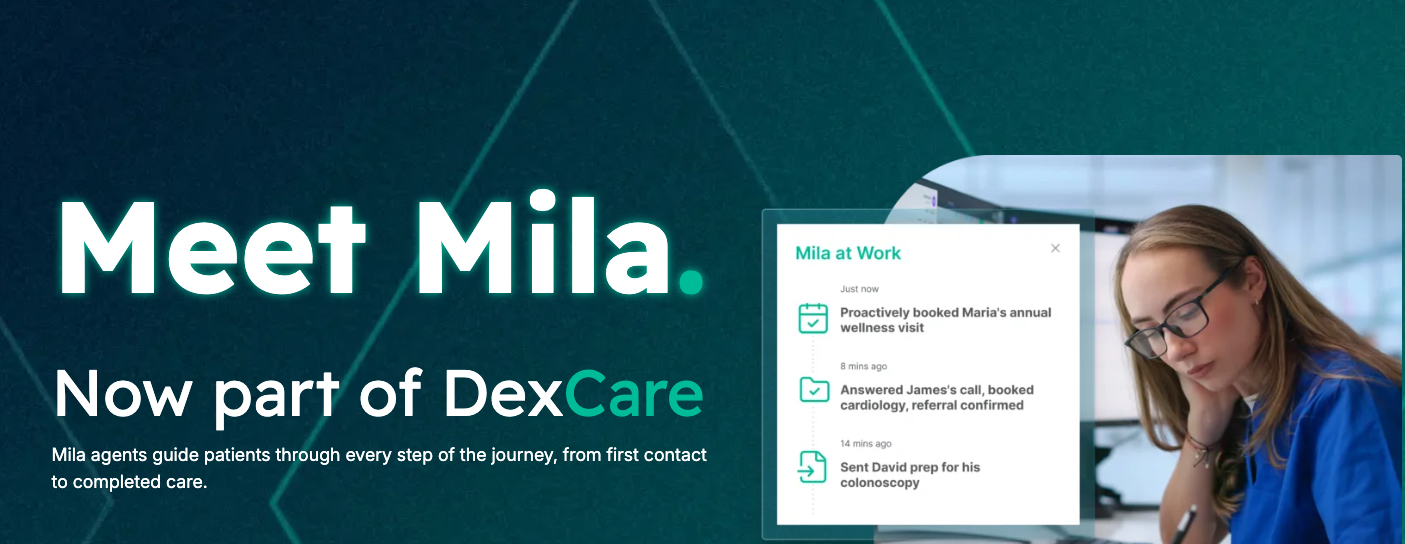
Patient access and navigation leader DexCare, Inc. announced the acquisition of Mila Health, an AI-driven care coordination company whose conversational agents autonomously call, text, and chat with patients to manage scheduling, pre-visit preparation, and post-discharge follow-ups.The transaction represents DexCare’s second corporate acquisition, building on its 2022 purchase of Womp, Inc., and expands its capital-backed platform that has raised $146 million to date
Read More
Health IT | News, Analysis, Insights - HIT Consultant
Ascend Learning Acquires AI Scheduling Platform M7 Health to Build End-to-End Healthcare Workforce Lifecycle
What You Should Know
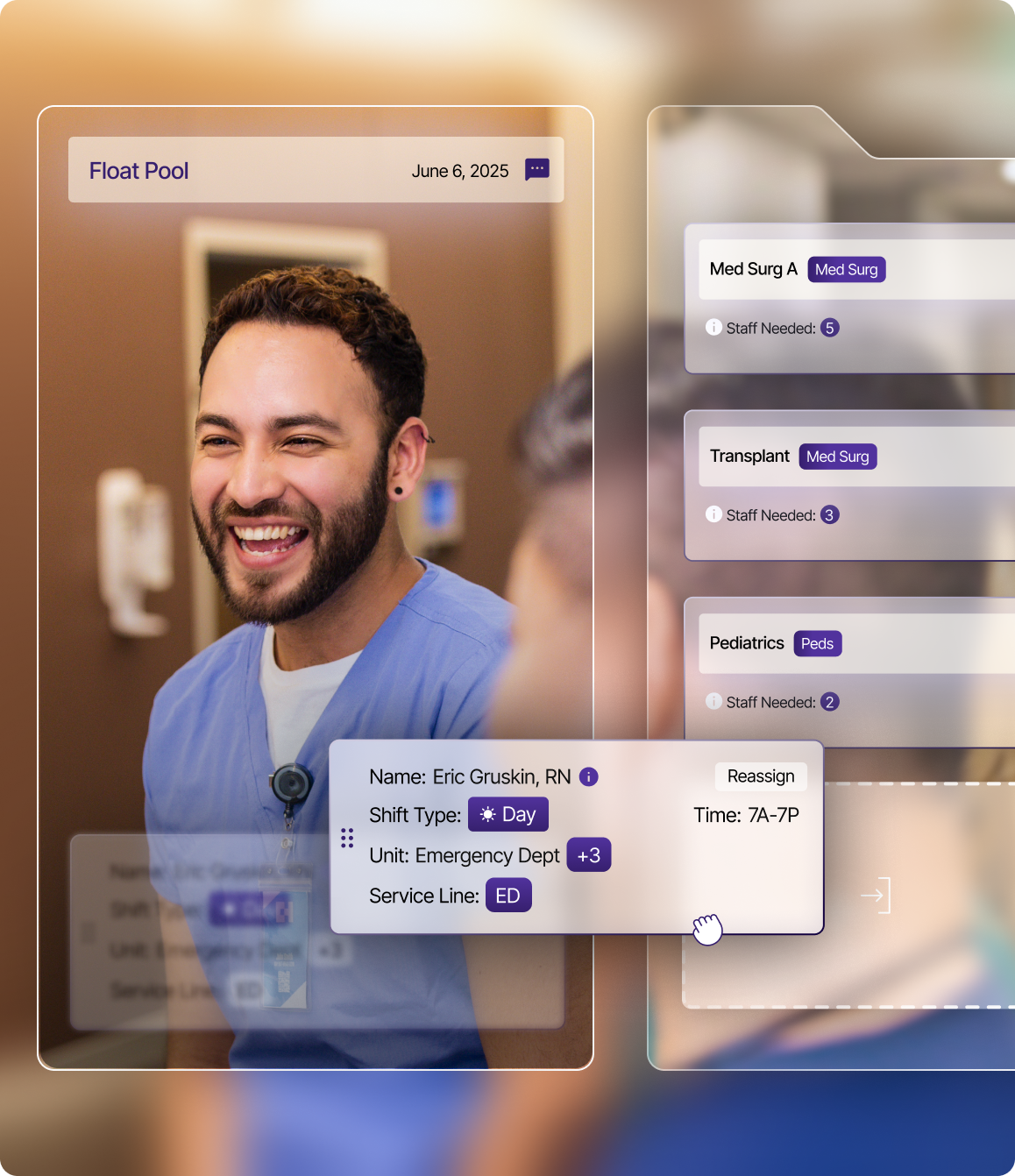
Healthcare and education technology provider Ascend Learning announced the acquisition of M7 Health, an AI-powered clinical scheduling and workforce management platform utilized across large academic medical centers, community facilities, and rural hospitals nationwide.The transaction creates an integrated enterprise workforce platform connecting education, credentialing, competency management, frontline leadership engagement, and dynamic shift deployment under a single
Read More
Experian Health Patient Access Curator Prevents $50M in Composite Health System Denials
What You Should Know
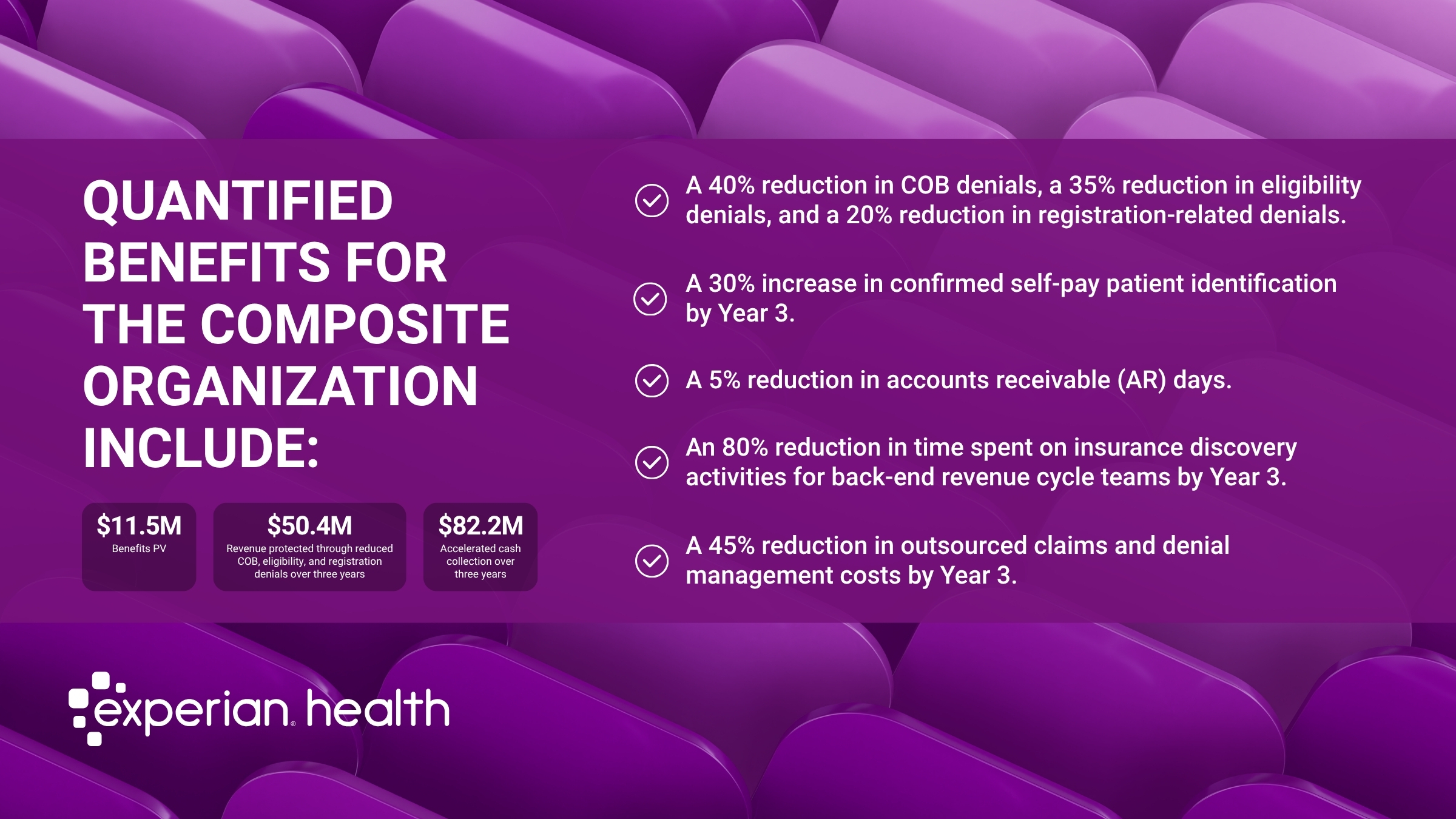
A commissioned Total Economic Impact™ (TEI) study conducted by Forrester Consulting in August 2026 revealed that Experian Health’s Patient Access Curator™ protected $50.4M in revenue over three years for a modeled composite health system.Over a three-year implementation window, the platform reduced coordination of benefits (COB) denials by 40%, eligibility denials by 35%, and registration-related denials by 20%.The financial analysis evaluated a composite integrated
Read More
PwC Reproductive Health Report: Expanding From Infertility Treatment to Whole-Life Fertility Care

What You Should Know
Global strategic advisory firm PwC published a market analysis titled “Unlocking the Women’s Health Opportunity: A New Era in Fertility and Reproductive Health,” projecting the global fertility sector to expand from $25 billion to $35 billion today to reach $35 billion - $45 billion by 2030, growing at a 6% to 8% compound annual growth rate.The market is experiencing a structural pivot from reactive infertility intervention to proactive, lifelong reproductive health
Read More
Healthcare AI ROI Should Be Measured by Work Completed, Not Tasks Automated

Healthcare executives are being asked to approve AI investments through dashboards that emphasize activity: messages drafted, calls summarized, records reviewed and minutes saved. Those numbers show that a system is being used. They do not show whether the work reached a useful conclusion.
That distinction is easy to miss because healthcare workflows are divided into small steps. A patient message can be drafted while the request remains unanswered. A clinical note can be generated but still
Read More
Angle Health Secures $600M at $2.7B Valuation to Scale AI-Native Small Business Health Plans
What You Should Know
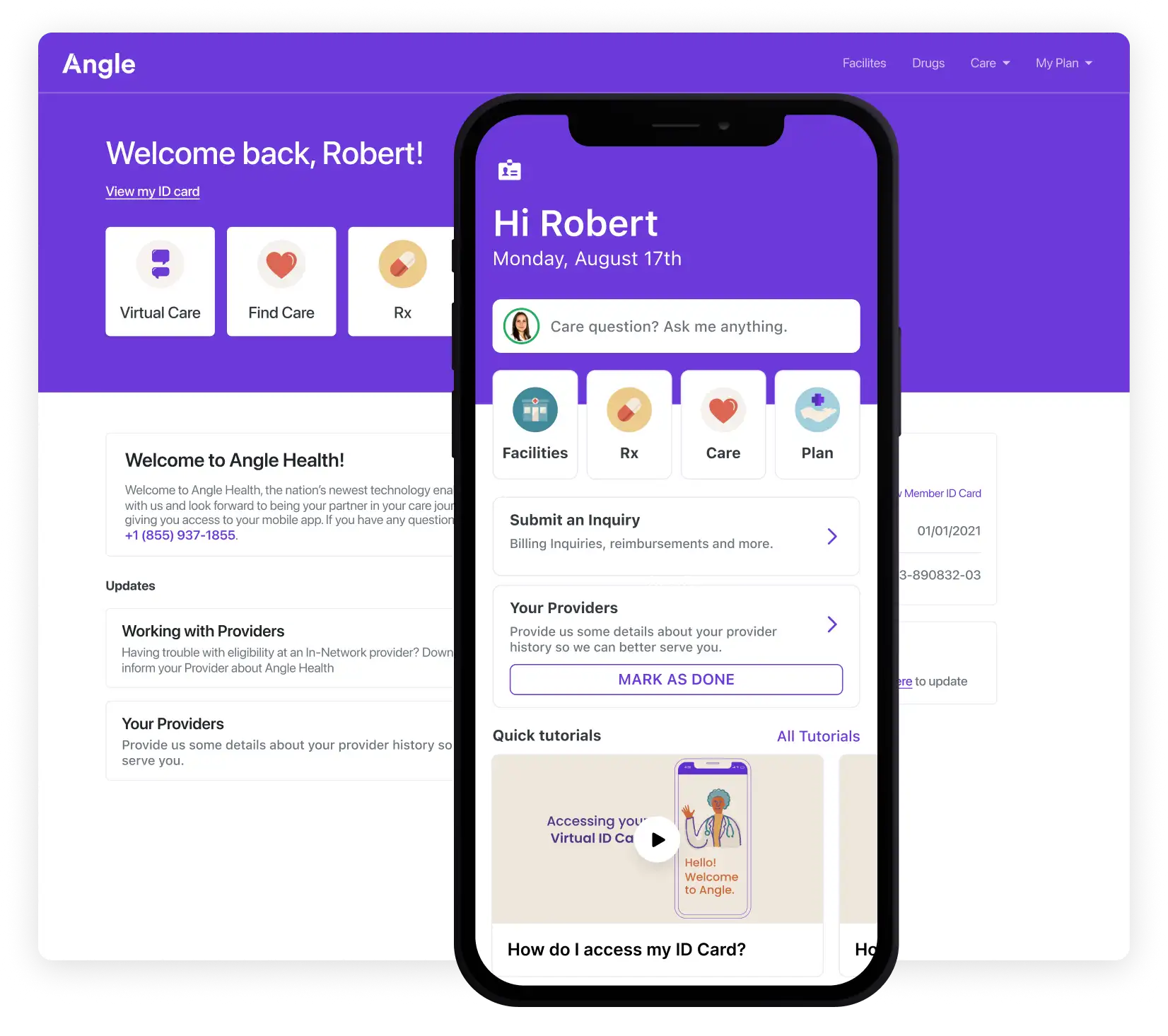
Angle Health, an AI-native healthcare benefits platform designed for small and midsize businesses (SMBs), announced a $600M equity financing transaction at a $2.7 billion valuation.The financing was led by global growth investor Vitruvian Partners, with participation from new backer Town Hall Ventures and existing investors Blumberg Capital, Portage Ventures, PruVen Capital, and Y Combinator.Angle Health currently serves more than 5,000 employer groups with customizable
Read More
Healthcare’s Semantic AI Blind Spot: Why LLMs Cannot Replace Deterministic Data Infrastructure

Healthcare AI has reached an inflection point. AI is rapidly moving from isolated demonstrations to production systems embedded in clinical, operational, and research workflows. A new generation of AI applications is emerging to support nearly every aspect of healthcare delivery, operations, and research.
As organizations deploy these capabilities at scale, they are exposing an invisible semantic challenge that has quietly existed for decades. Clinical information is translated
Read More
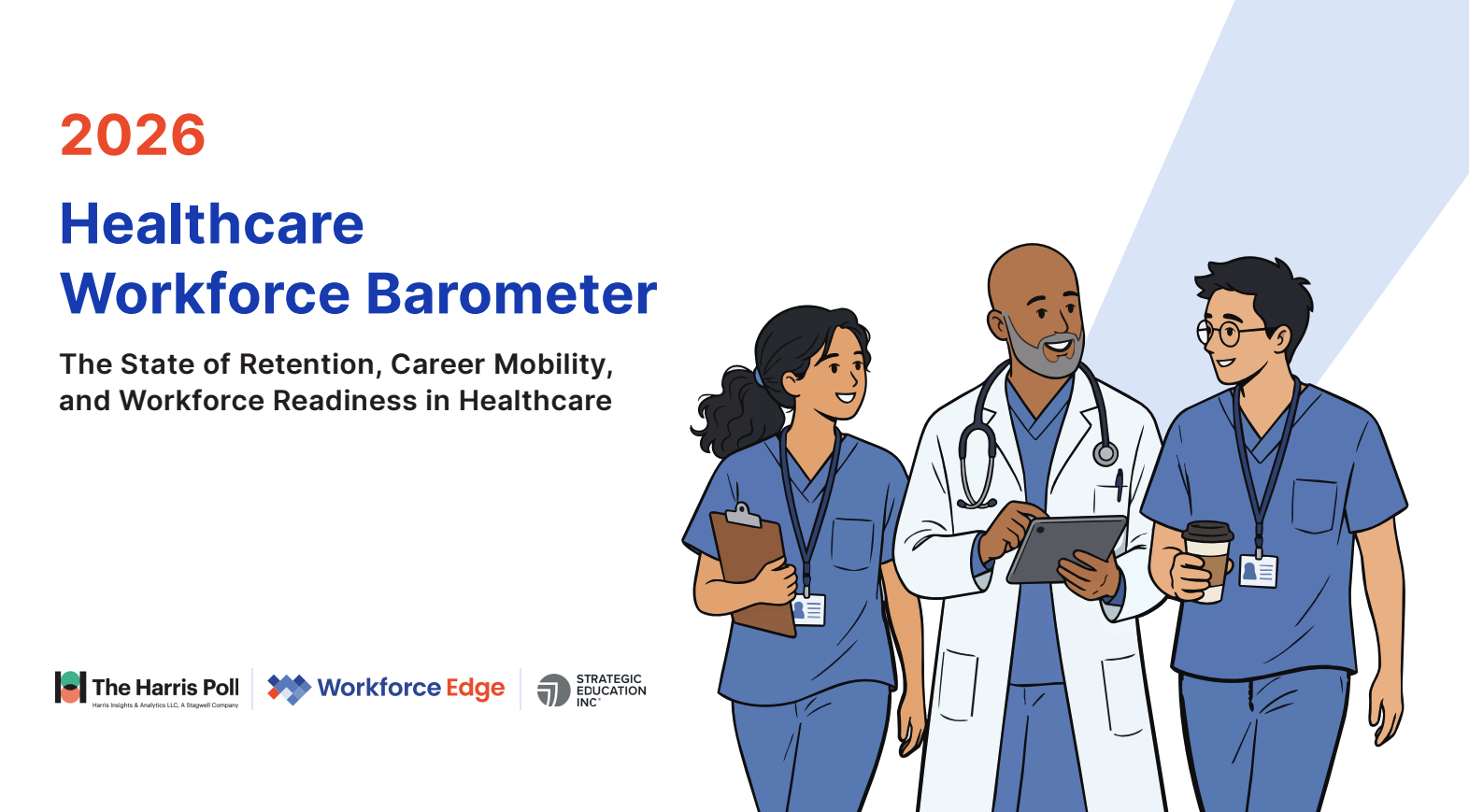
Harris Poll Reveals 70% of Gen Z Healthcare Workers Eye Departure as U.S. Faces 500,000-Worker Shortage
What You Should Know
The 2026 Healthcare Workforce Barometer, conducted online by The Harris Poll on behalf of Strategic Education, Inc. and its subsidiary Workforce Edge, surveyed 1,514 full-time direct patient care employees and 304 healthcare employers between June 12 and July 1, 2026.The study reveals that 59% of the total U.S. healthcare workforce is likely to look for a new role in the next year, while 70% of Gen Z healthcare workers plan to explore a new job over the same
Read More
How HonorHealth Embeds Qventus AI Teammates to Automate EHR Workflows
What You Should Know
Arizona-based nonprofit health system HonorHealth (operating nine acute-care hospitals, an extensive medical group, and outpatient networks across Greater Phoenix) has expanded its enterprise partnership with automated care operations leader Qventus by joining the AI Solution Factory.The AI Solution Factory is a co-development engagement model that embeds Qventus transformation engineers on-site with health system frontline clinicians and IT teams to design, prioritize,
Read More
Healthcare AI’s Decision Intelligence Mandate: Turning Predictive Analytics into Timely Clinical and Operational Action

For years, healthcare leaders have asked if artificial intelligence can predict what will happen next, such as who might be readmitted, which patients could get worse, where resources are needed, and which interventions could help. Today, we can answer many of these questions, but a tougher question is what a healthcare organization should actually do with these predictions.
This is where much of healthcare AI still falls short.
The industry has invested heavily in electronic health
Read More
