
What You Should Know
- Physicians across the U.S. are increasingly rethinking how they practice medicine as career pressures mount at every stage, according to the 2026 Locum Tenens Physicians Report released this week by Weatherby Healthcare.
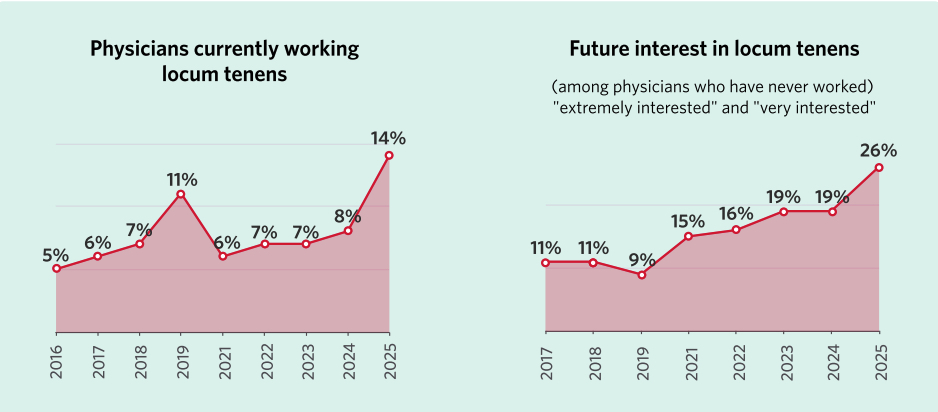
- Market Growth: The percentage of physicians currently working locum tenens has nearly tripled in a decade, rising from 5% to 14%.
- Mainstream Adoption: Nearly half of all physicians (41%) now have locums experience, doubling the rate from 2016.
- Burnout Buffer: Physicians are 82% more likely to burn out than other professionals; mid-career doctors report a 48% improvement in well-being after starting locums.
- Financial Drivers: Early-career adoption is surging as median medical school debt reaches $215,000, with new federal loan caps (H.R. 1) increasing financial pressure.
- Retention Tool: Instead of retiring, 63% of late-career physicians prefer to use locums to scale back hours rather than leaving the profession entirely.
The traditional model of a single, lifelong, permanent practice is rapidly being replaced by a more flexible, sustainable career path. The 2026 Locum Tenens Physician Report from Weatherby Healthcare reveals that locum tenens has transitioned from a temporary “fringe” activity into a respected, peer-validated career choice. This shift is driven by a desire for professional autonomy and a response to the systemic pressures of decreasing reimbursements and growing administrative burdens.
Mike DePaolis, President of Weatherby Healthcare, emphasizes that locums does not compete with a physician’s career—it extends it.
Career Stage Dynamics: Why Physicians Switch
The motivations for choosing locums vary significantly depending on where a clinician is in their professional journey:
- Early-Career (0-10 Years): A full 62% of locums physicians start within their first decade of practice. They utilize the model to pay down debt quickly or as a “try before you buy” strategy to find the right permanent practice fit.
- Mid-Career (11-20 Years): This “generation under pressure” uses locums to reclaim work-life balance. While 18% of mid-career doctors report extreme burnout, nearly half find clinical relief through the flexibility of locum assignments.
- Late-Career (21+ Years): Locums serves as a “bridge to retirement,” allowing experienced doctors to stay engaged in patient care without the administrative overhead of a private practice.
The Economic Vise: Debt and Reimbursement
Financial factors remain a primary driver for the 14% of the workforce now active in locums.
- The Debt Burden: With median debt surpassing $215,000, and the One Big Beautiful Bill Act (H.R. 1) imposing new caps on medical student loans, early-career physicians are turning to locums for its higher earning potential.
- The Reimbursement Gap: Medicare physician payments have effectively declined 33% since 2001 when adjusted for practice cost inflation. Locums offers a way to bypass the overhead burdens that fixed-rate reimbursements no longer support.
Professional Acceptance and Patient Perception
The report debunks the stereotype that locums is transient or lacks continuity. 62% of colleagues and 54% of administrators at assignments hold positive views of locum physicians. Patients also report high levels of appreciation, often because locums coverage reduces appointment wait times from months to just a few days.
