
What You Should Know
- DeepHealth, Inc. (a wholly owned subsidiary of RadNet, Inc.) received FDA 510(k) clearance for DeepHealth Breast Ultrasound, an AI platform automating lesion detection, ACR BI-RADS characterization, and reporting.
- The commercial software allows U.S. healthcare providers to pursue reimbursement under an existing Category III CPT code for quantitative ultrasound tissue characterization.
- RadNet plans to deploy the platform across its national outpatient network by the end of 2026, impacting an estimated 700+ thousand annual breast ultrasound exams.
- Multi-reader multi-case clinical validation involving 16 U.S. board-certified radiologists demonstrated >98% lesion localization accuracy, an 8% sensitivity boost in cancer detection, and a 37% reduction in radiologist interpretation time.
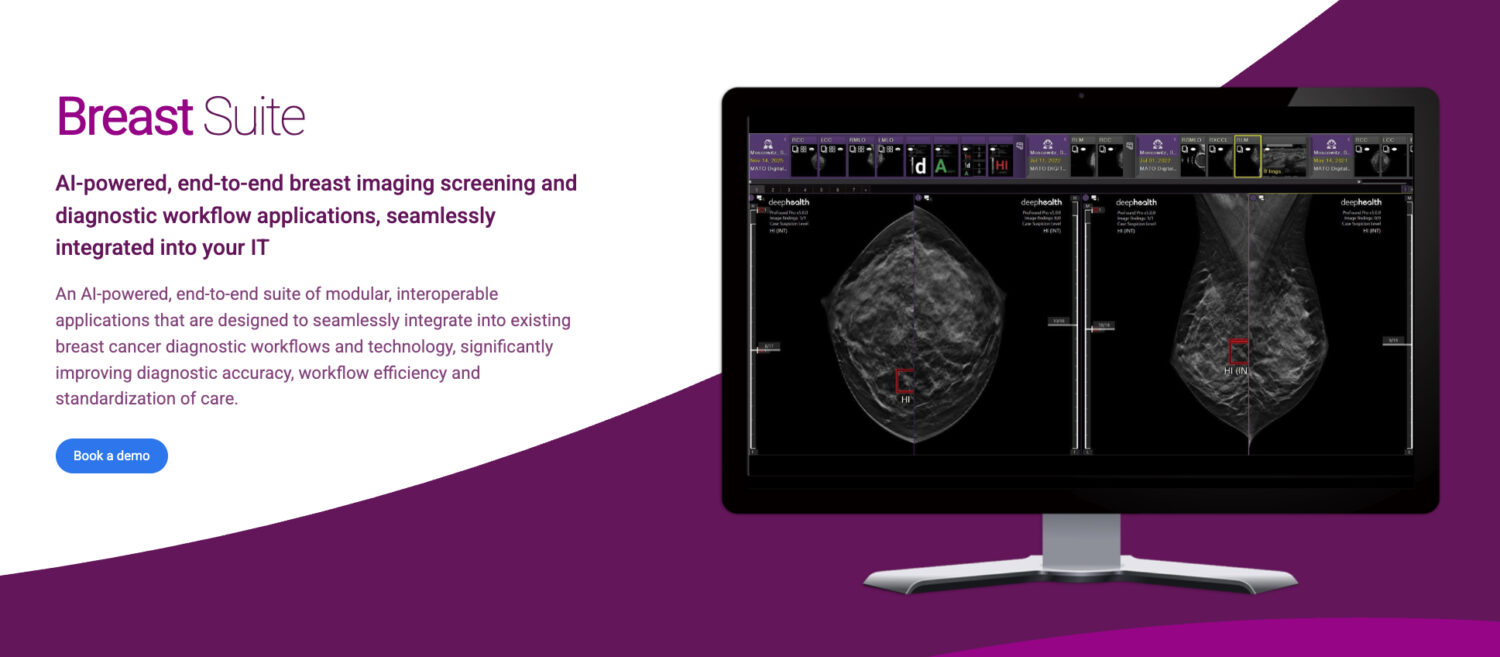
- The software expands DeepHealth’s modular breast suite, uniting mammography detection, density scoring, arterial calcification analytics, and risk prediction into a single cloud-native operating environment (DeepHealth OS).
RadNet Scales DeepHealth AI Across 700,000 Annual Ultrasound Studies
RadNet is deploying DeepHealth’s FDA-cleared breast ultrasound platform across its network, targeting more than 700,000 annual studies by the end of the year. The move addresses a persistent headache in outpatient imaging: the operator dependency and variable reads long associated with handheld breast ultrasound.
With nearly 40% of women receiving a breast ultrasound during their lifetime—often as supplemental screening for dense tissue—unstandardized acquisition frequently leads to inconsistent BI-RADS reporting, diagnostic delays, and radiologist fatigue. DeepHealth’s new platform brings lesion detection, feature characterization, and draft report generation into a single workspace to help standardize care across high-volume centers.
Clinically, the software locates suspicious soft-tissue lesions with over 98% accuracy, delivering an 8% lift in overall cancer detection sensitivity. It also analyzes acoustic features—including shape, margins, echo patterns, and posterior traits—against ACR BI-RADS standards to trim radiologist interpretation time by 37%. For sonographers, the system automatically pulls measurements into draft reports for physician review, eliminating manual data entry.
Beyond clinical workflow, the technology carries a commercial path forward. U.S. facilities can seek reimbursement through an established Category III CPT code for quantitative ultrasound tissue characterization, giving provider networks a clear economic model as they scale.
“Breast ultrasound is an essential component of the breast care pathway, with approximately 40% of women undergoing the exam at some point in their lives,” said Dr. Jason McKellop, Medical Director of Women’s Imaging for RadNet California.
