
What You Should Know
- TytoCare has received FDA De Novo classification for its Tyto Insights™ for ENT Suite, creating a first-of-its-kind regulatory category for “ear, nose, and throat image analyzers”.
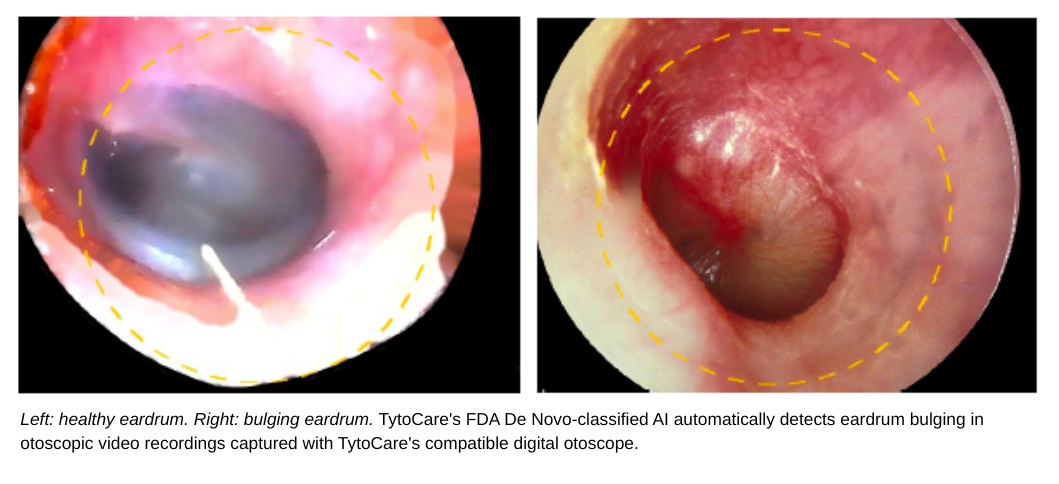
- The AI-powered tool automatically analyzes otoscopy video to detect eardrum bulging, a primary indicator of Acute Otitis Media and other common pediatric conditions.
- Designed for patients aged six months and older, the system uses a proprietary database of 1.6 million ear images to provide clinical decision support to providers.
- The technology aims to reduce unnecessary antibiotic usage and treatment delays by providing more accurate assessments than traditional telehealth solutions.
- TytoCare is also launching Smart Checkup capabilities, allowing patients to receive direct insights about their own lung and ear exams through the Smart Clinic Companion.
Pediatric ear infections account for approximately 20 million doctor visits annually in the United States, yet they remain one of the most difficult conditions to assess accurately via standard telehealth. TytoCare, a leader in home-based primary care technology, has achieved a landmark regulatory milestone to address this gap. By securing FDA De Novo classification for its Tyto Insights™ for ENT Suite, the company has not only launched a new product but has established an entirely new regulatory category for AI-driven ENT image analysis.
The platform adds a sophisticated intelligence layer to TytoCare’s existing digital otoscope. By analyzing video recordings of the eardrum in real-time, the AI can identify bulging with a degree of consistency that was previously difficult to achieve in a remote setting. This breakthrough is particularly significant as the U.S. continues to face a mounting shortage of primary care physicians, putting increased pressure on home-based diagnostic tools to be both accurate and actionable.
Bridging the Diagnostic Gap in Pediatric Primary Care
The development of the ENT Suite was made possible by TytoCare’s massive proprietary database, which contains over 1.6 million ear images and recordings. This multimodal data allows the AI to serve as a reliable clinical support tool, helping providers differentiate between conditions that require immediate intervention and those that do not. The ability to accurately detect eardrum bulging is a critical lever in the fight against antibiotic over-prescription—a major concern in pediatric medicine.
Beyond support for clinicians, the new ENT Suite is designed to inform the patient or caregiver directly. This transparency is intended to foster a deeper understanding of the condition and more informed decision-making within the home. By providing results that are easy to interpret, TytoCare is empowering parents to engage more effectively with their clinicians, turning a routine home exam into a collaborative healthcare journey.
A Foundation for Multi-Modal AI Diagnostics at Scale
The FDA De Novo classification is more than just a single product milestone; it represents a fundamental shift in how primary care can be delivered. As Elad Lachmanovich, Chief Technology and Product Officer of TytoCare, noted, this classification establishes the foundation for a new generation of AI-driven diagnostics. The vision is for an AI layer that can interpret clinical-grade data across multiple exam types—including heart, lungs, throat, and skin—and turn it into actionable insight at scale.
In parallel with this regulatory win, TytoCare is enhancing its Smart Clinic Companion with “Smart Checkup” capabilities. This update leverages both the Lung Suite and the new ENT Suite to give patients a more comprehensive view of their health status during remote examinations. As these tools continue to learn from millions of real-world interactions, the goal is to create a seamless triage and diagnostic ecosystem that brings high-quality, clinical-grade care into the living room without requiring an in-person visit.
Why This Matters
TytoCare is paving the way for a future where the “home clinic” is the first line of defense, effectively alleviating the burden on a shrinking physician workforce. This isn’t just about ear infections; it’s about the clinical validation of the home.
