What You Should Know
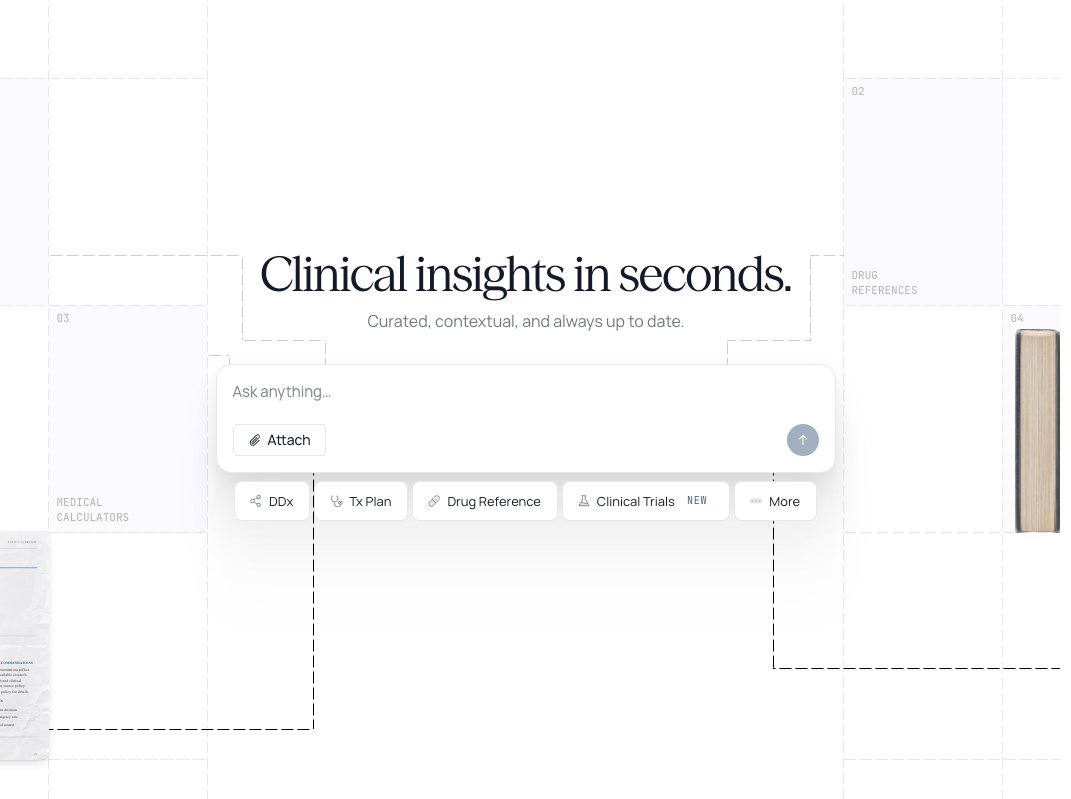
Clinical artificial intelligence search platform Vera Health announced the closing of a $28.5 million Series A funding round led by Threshold Ventures.The financing included participation from Mantis VC and SV Angel, with existing institutional backers Y Combinator and Gradient tripling down on their initial investments, bringing total capitalization to $32M.Operates at high capital and workforce efficiency: with an engineering and clinical team of only 12 employees, the
Read More
Artificial Intelligence in Healthcare | News, Analysis, Insights - HIT Consultant
MDX Hawai’i Partners with Innovaccer to Deploy Atlas Across 6,000 Independent Clinicians
What You Should Know
Leading healthcare intelligence and AI infrastructure company Innovaccer announced that MDX Hawai’i has selected Innovaccer as its enterprise technology partner for population health management.MDX Hawai’i operates as the state's premier independent practice association (IPA) and management services organization (MSO), serving for 40 years as the primary operational link between commercial/Medicare health plans and community providers across the Hawaiian Islands.The
Read More
M&A: Sagility Acquires Chirok Health to Anchor AI-Driven CDI and Revenue Integrity Across Enterprise Providers

What You Should Know
Healthcare business operations and AI-led technology company Sagility announced its strategic acquisition of Chirok Health, a specialized provider of Clinical Documentation Improvement (CDI), medical coding, coding quality assurance (QA), and revenue integrity services.Carried out through its U.S. operating subsidiary, Sagility (US) Holdings Inc., the transaction is valued at approximately $32.35M. Canaccord Genuity LLC served as the exclusive financial advisor to Chirok
Read More
Why AI Must Contextualize, Not Automate, Crisis Hotlines

Put yourselves in the shoes of a health plan’s behavioral health hotline responder. This is a person, typically a clinician, whose job it is to provide immediate support as soon as members are flagged as a risk – a routine call that is made every day.
Suicide remains one of the leading causes of death in the United States, with the CDC reporting over 48,000 suicide deaths in 2024. For a health plan’s response services team, the interaction likely begins before the member ever picks up the
Read More
Baba Raises $40M to Expand Medicare Applied AI Platform, Debuts BabaBench
What You Should Know
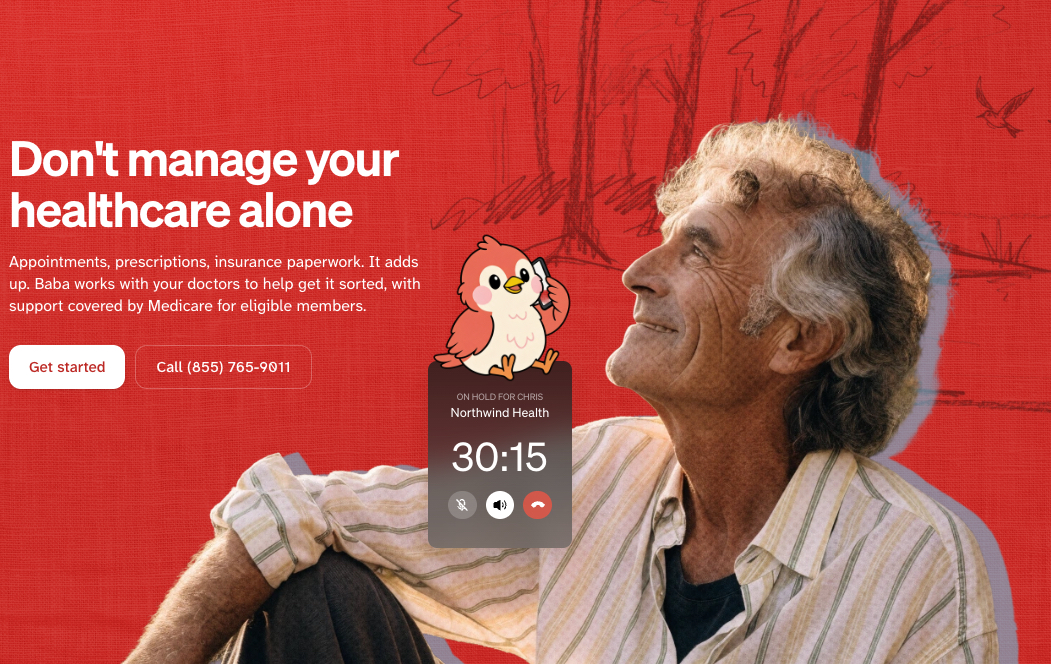
Applied artificial intelligence and healthcare navigation company Baba secures $40M in Series A financing led by FirstMark Capital with participation from CVS Health Ventures and value-based healthcare specialist Valtruis, alongside returning venture investors General Catalyst, Genius Ventures, and Ground Up Ventures.Introduces BabaBench (published on arXiv and accepted to an upcoming NeurIPS workshop): a specialized AI benchmark designed to evaluate how frontier
Read More
MEDITECH Partners with Lifemed AI to Arm Hospitals Against Payer Claims Denials
What You Should Know
Healthcare electronic health record (EHR) vendor MEDITECH and healthcare artificial intelligence company Lifemed AI announced a formal enterprise partnership, designating Lifemed as an Accelerator-level member of the MEDITECH Alliance program.The partnership embeds Lifemed’s proprietary non-generative deep-learning neural network platform directly into MEDITECH’s nationwide hospital and health system EHR ecosystem to eliminate claims denials, automate pre-bill scrubbing,
Read More
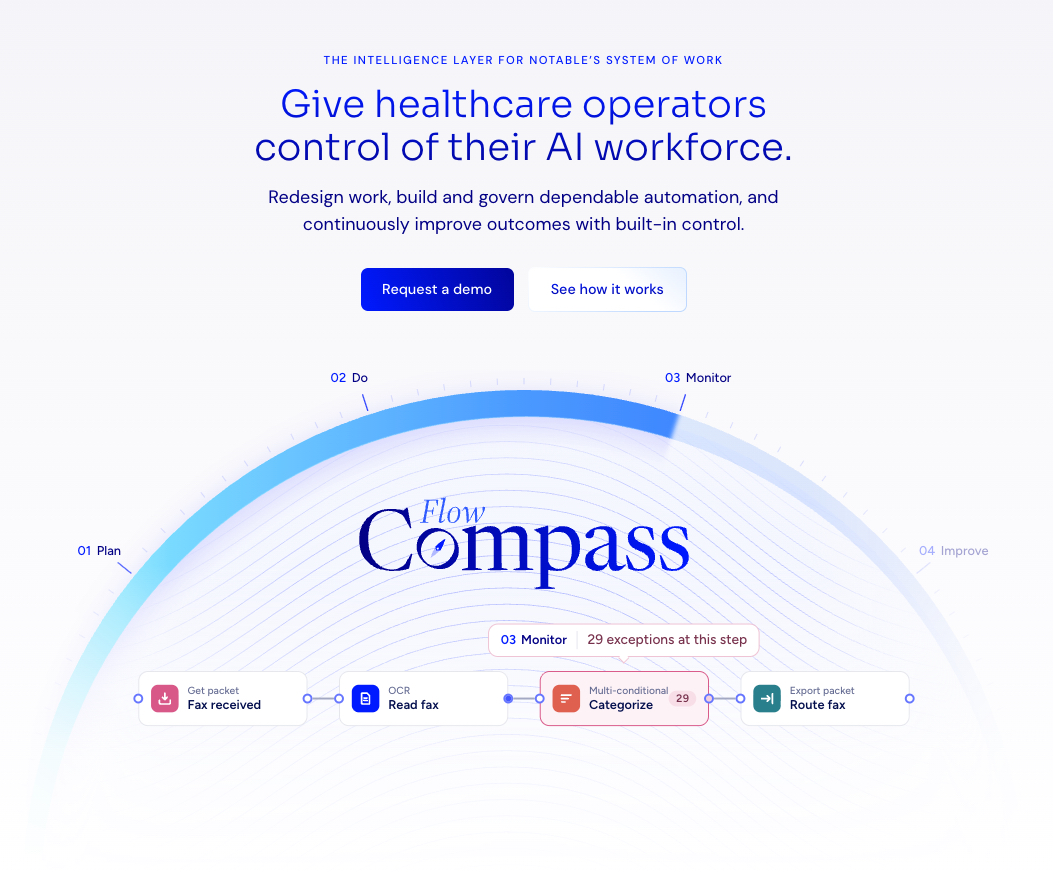
Notable Launches Flow Compass to Give Healthcare Operators Plain-Language Control of Their AI Workforce
What You Should Know
Healthcare automation pioneer Notable announced the launch of Flow Compass, a new conversational intelligence layer embedded directly within Flow Studio on the Notable Platform.Addresses the emerging "AI Agent Sprawl" crisis: while building basic AI agents has become accessible, health systems deploying dozens or hundreds of autonomous agents face severe operational risks around configuration drift, silent failures, unmapped dependencies, and opaque financial
Read More
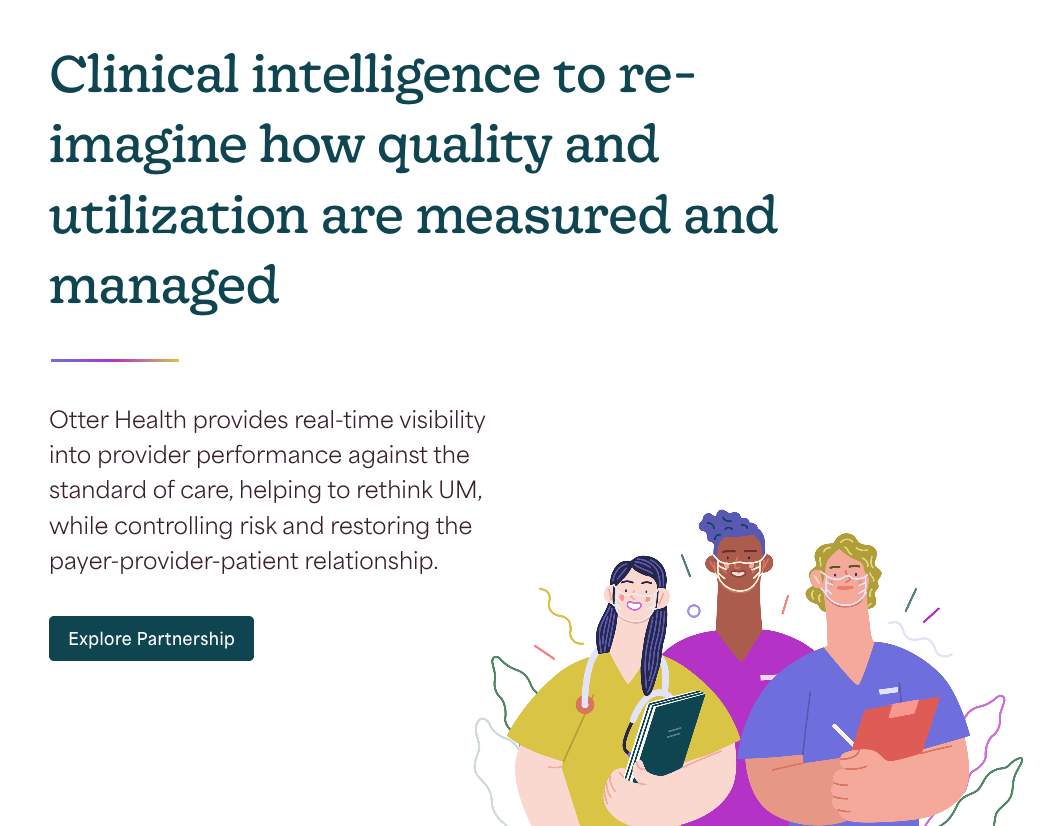
Otter Health Lands $8M to Replace Prior Authorization with Continuous Clinical Intelligence
What You Should Know
Healthcare utilization intelligence platform Otter Health announced its official commercial launch, backed by $8M in seed financing co-led by Fika Ventures and Evidenced, with participation from Slow Ventures, Metrodora, CoFound Partners, Layout Ventures, Patient Capital, and Semper Virens.Directly challenges the foundational premise of conventional utilization management (UM): while health plans have historically relied on prior authorization (PA) as a transactional
Read More
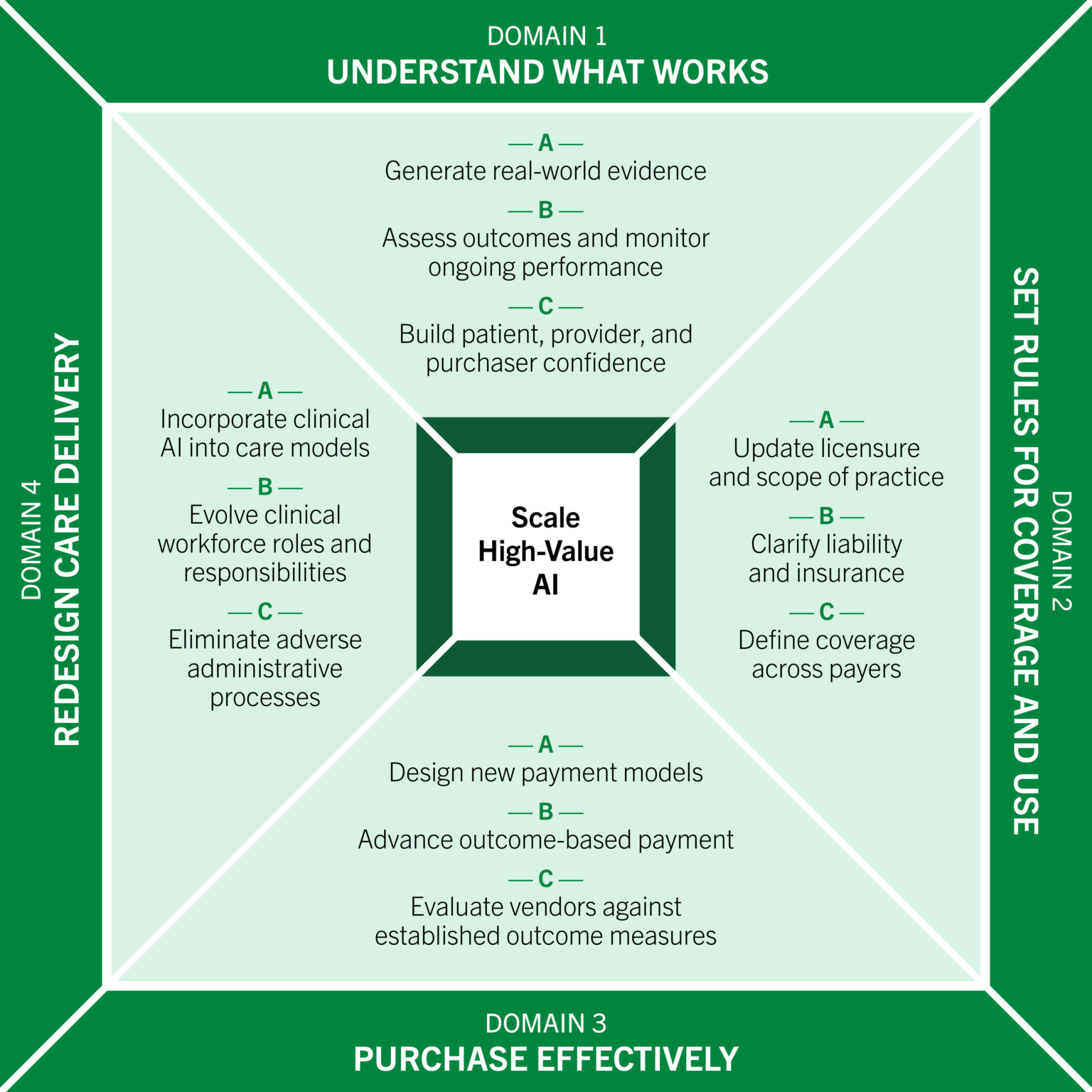
Peterson Health Technology Institute Report: Driving Adoption of High-Value AI in Healthcare Across Evidence, Coverage, and Payment
What You Should Know
The Peterson Health Technology Institute (PHTI) released a major national market report, titled Driving Adoption of High-Value AI in Healthcare, authored under the direction of Executive Director Caroline Pearson.The report highlights that AI is fundamentally different from prior health technologies because it can perform work that previously required human labor and expertise, with the potential to expand the health system's capacity to reach undertreated
Read More