

What You Should Know
The Manifesto: Dr. Toyin Ajayi, CEO of Cityblock Health, has published a comprehensive report, “Medicaid + AI: A New Standard for Innovation,” arguing that the nation's most vulnerable patient population must be the proving ground for generative AI.The Investment Disconnect: Currently, roughly 60% of healthcare AI investment is directed toward revenue cycle management, billing optimization, and risk adjustment. Conversely, less than 20% of health plans use AI to develop
Read More
Healthcare Policy Regulation & Reform | News, Analysis, Insights - HIT Consultant
How CMS Policy Just Shifted 30% of Shoulder Surgeries Out of the Hospital

A Shoulder Replacement Case Study
The Bottom Line: When CMS makes a procedure ASC-payable, the shift is fast, measurable, and concentrated in certain territories. Here's what total shoulder arthroplasty can tell us about where the site-of-service mix for hundreds of procedures is headed.
In July, I broke down the 2026 OPPS Proposed Rule and called it a gold rush. The first tranche just hit: 285 procedures came off the inpatient-only list on January 1. The remaining 1,400+ will phase out by
Read More
How In-Home Care Supports Healthy Aging at Home

With age comes new challenges and opportunities. As people grow older, a desire to stay in place is common; individuals want to remain in familiar surroundings as they grow older. That is why in-home care services are so important and needed, as they provide people the support they need to accomplish this goal. These services promote dignity, comfort, and independence by providing assistance with daily activities and companionship.
Promoting Independence and Confidence
Senior home care in
Read More
CMS Updates MIPS for 2026: Administrative Claims, TEFCA Bonuses, and AI Safety Measures

MIPS (Merit-based Incentive Payment System), a Medicare program that rewards clinicians for delivering high-quality, cost-efficient care, is by nature an evolving entity.
Much the way healthcare continually changes as new knowledge, treatments, and technologies modify past practices, MIPS is ever-changing, with program updates, revisions, and new requirements.
While these changes are well-intentioned and support value-based healthcare, they don’t necessarily make it easier for
Read More
6 Ways Hospitals Can Structure CMS TEAM Collaboration Agreements with Specialists

As the Centers for Medicare & Medicaid Services moves forward with the Transforming Episode Accountability Model (TEAM), hospitals are taking on financial accountability for Medicare’s most complex and costly surgical episodes. Hospitals that don’t take action to achieve better patient outcomes could find themselves owing Medicare money.
While TEAM shifts meaningful risk to hospitals, it also creates an opportunity often missing in value-based care: true collaboration with
Read More
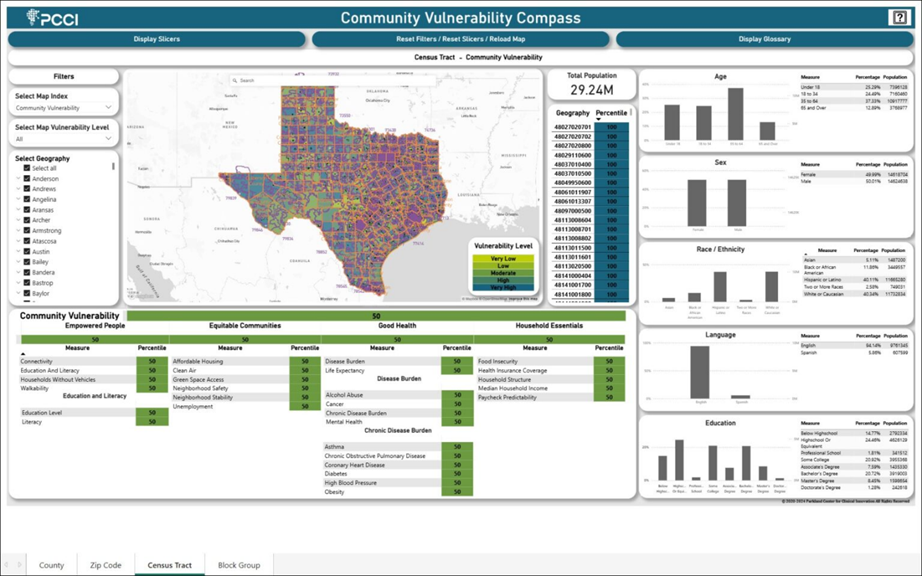
4 out of 5 Rural Texans Face a “Life-Threatening” Chronic Disease Crisis, PCCI Data Shows
What You Should Know
The Finding: An analysis using the Parkland Center for Clinical Innovation’s (PCCI) Community Vulnerability Compass (CVC) reveals that four out of five rural Texans live in communities highly vulnerable to life-threatening chronic diseases.The Distinction: Rural vulnerability is structurally different from urban vulnerability. While urban challenges are often driven by environmental exposures and behavioral risks, rural vulnerability is deeply tied to entrenched clinical
Read More
TrumpRx.gov Launches with 80% Discounts on Ozempic and Wegovy

What You Should Know
The Launch: President Trump has officially launched TrumpRx.gov, a consumer-facing digital portal that allows patients to access "Most-Favored-Nation" (MFN) pricing on high-cost drugs. The initial rollout features deals with five major manufacturers: AstraZeneca, Eli Lilly, EMD Serono, Novo Nordisk, and Pfizer.The Prices: The platform delivers massive price cuts on blockbuster GLP-1 weight loss and diabetes drugs. Ozempic and Wegovy will drop from over $1,000/month to as
Read More
The ‘Volume’ Era is Dead: Humana Data Proves Value-Based Care Cuts Admissions by 24%

What You Should Know
The Report: Humana’s newly released Value-Based Care By the Numbers Report, reveals that Medicare Advantage members in value-based care (VBC) arrangements are seeing significantly better outcomes than those in traditional models.The Data: The impact is measurable and massive: VBC patients experienced 24.3% fewer hospital admissions and 13.4% fewer emergency room visits in 2024.The Shift: The report validates the industry's transition from "reactive" fee-for-service
Read More
Price Reset 2026: How Trump’s ‘Great Healthcare Plan’ Slashes Drug Costs at Trumprx.gov
What You Should Know
- Today, President Donald J. Trump has launched "The Great Healthcare Plan," a sweeping initiative designed to lower prescription drug costs to the lowest international levels and reduce insurance premiums by over 10%.
- The “Great Healthcare Plan” shifts taxpayer-funded subsidies away from "big insurance companies" to be delivered directly to the American people, while mandating unprecedented "Plain-English" transparency standards for every insurer and provider
Read More
AMA’s Strategic Push for Permanent Medicare Telehealth Reform

What You Should Know
- The AMA is urging Congress to pass permanent authorization of Medicare telehealth services before the current waiver expires on January 30, 2026.
- This advocacy follows a "tumultuous" 2025 in which a 43-day government shutdown caused a 24% national drop in fee-for-service telemedicine visits, demonstrating the extreme sensitivity of patient access to legislative lapses.
The Economic Battle: Challenging CBO Scoring
The crux of the AMA’s issue brief is a
Read More
