
What You Should Know:
– Philips introduces first-of-a-kind mobile ICUs in India to tackle COVID-19 and other emergencies with each ICU unit capable of being deployed in one day.
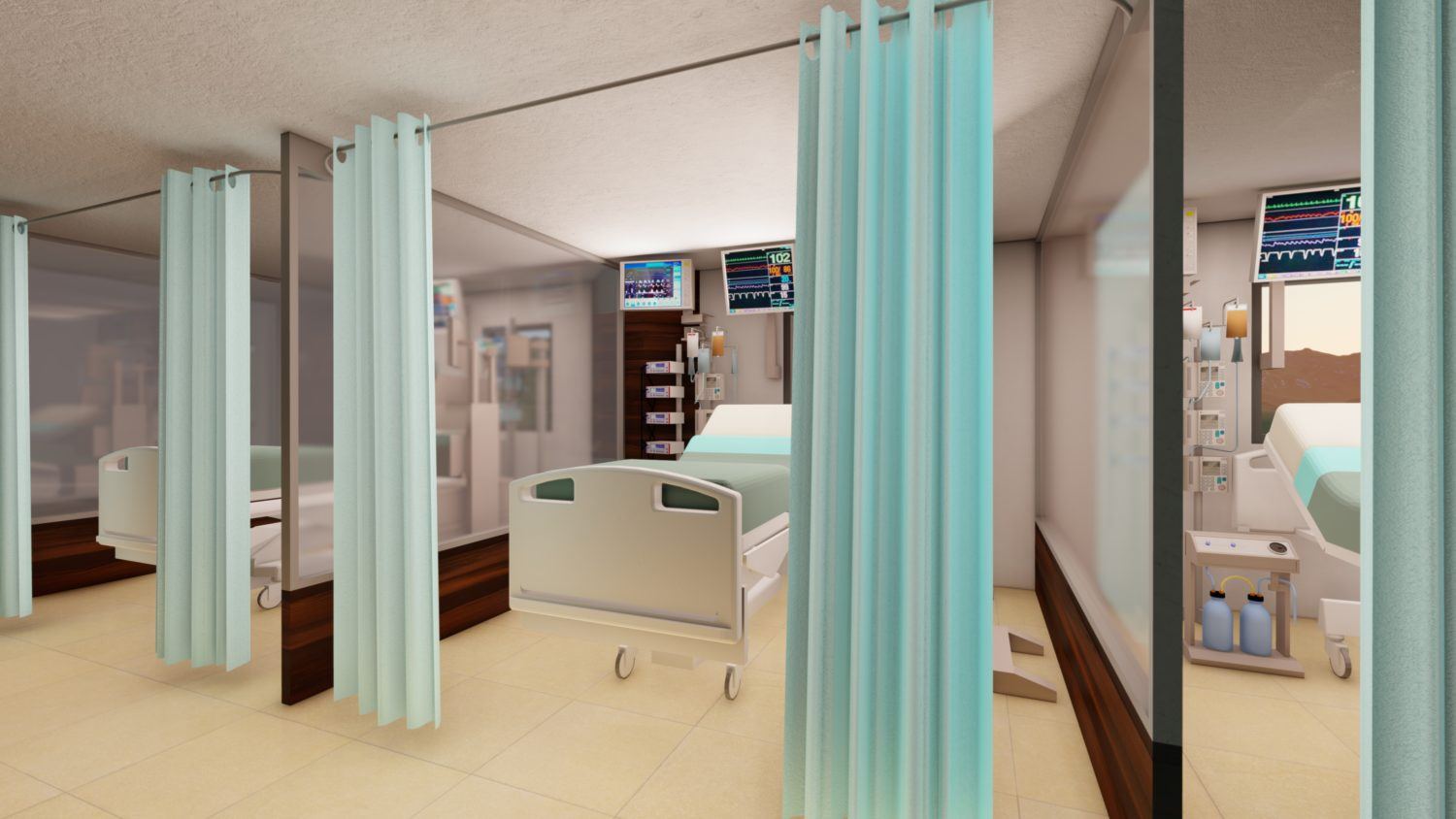
– Each mobile ICU comes pre-equipped with a state-of-the-art critical-care infrastructure, such as independent patient cubicles, plus anti-bacterial paint and high-end washrooms with a self-disinfection facility to avoid cross-contamination.
– Next to the mobile ICUs Philips is also offering a dedicated tele-critical care command center solution for the Indian market helping hospitals to improve access to acute care and leverage scarce resources such as trained ICU staff in optimized ways.
Philips today announced it introduced first-of-its-kind mobile Intensive Care Units (ICUs) in India designed to meet the critical-care requirements of patients, each prefabricated ICU has a capacity of nine beds. The units will be locally manufactured by Philips in India, with each ICU unit capable of being deployed in one day.
Combating COVID-19 Pandemic in India
India is in the top 5 countries with the highest amount of COVID-19 cases. The country’s healthcare system is under immense pressure as infections spike. Leveraging its clinical, technical, and design expertise, Philips has developed new mobile ICUs to address the challenging needs of critical-care services in India. They will be useful to government agencies and health systems looking to rapidly increase ICU capacity and enhance community outreach with the aim to mitigate the impact of natural disasters and pandemics such as the ongoing COVID-19 outbreak.
Mobile ICU Unit Overview
With a floor area of 1380 square feet (128 square meters), these self-sufficient units only require on-site electricity and water connection to become operational. Each mobile ICU comes pre-equipped with state-of-the-art critical-care infrastructure, such as independent patient cubicles, plus anti-bacterial paint and high-end washrooms with a self-disinfection facility to avoid cross-contamination. The ICUs can be furnished with a range of medical equipment, including ventilators, defibrillators, a central monitoring station, and CPAP (Continuous Positive Airway Pressure) machines, with appropriate supporting infrastructure such as back-up power, oxygen, and vacuum supplies.
“Aligned with the government’s commitment to providing quality and accessible healthcare to India’s population, we are proud to introduce our state-of-the-art mobile ICUs for India,” said Daniel Mazon, General Manager Philips India. “We believe this solution will help the country to tackle COVID-19 in an effective manner as it enables healthcare institutions to increase their critical-care bed capacities. The solution will also be significant in the long term to address future critical care requirements.”
“Philips’ mobile ICU solution will offer great advantage in treatment of isolated patients, in disaster management, and for community outreach,” said Mahipal Singh Bhanot, Zonal Director of Fortis Healthcare. “Additionally, it will enable streamlining of hospital workflows without the need to change their protocols for infectious patients, while maintaining patient and staff safety. This can be a productive asset to have, especially because it is useful in adding additional beds to hospitals in a much reduced time, which means rapid ramp up of a hospital’s bed capacity.”
Tele-critical Care Command Centers
Next to the mobile ICUs Philips is also offering a dedicated tele-critical care command center solution for the Indian market helping hospitals to improve access to acute care and leverage scarce resources such as trained ICU staff in optimized ways. These highly trained intensivists and intensive care nurses are stationed in a central hub and can connect to and remotely monitor patients in peripheral ICUs on a 24/7 basis through advanced dashboards that bring together vital signs, lab values, and predictive analytics. Currently, there are 5 major tele-critical care command centers in India and these hubs are connected to up to 700 ICU beds across the country with Tier 2, 3 city hospitals.
