
What You Should Know
- The FDA has cleared Tandem’s Control-IQ+ technology for use in pregnancies complicated by type 1 diabetes, making it the first and only commercially available AID system with this indication in the U.S.
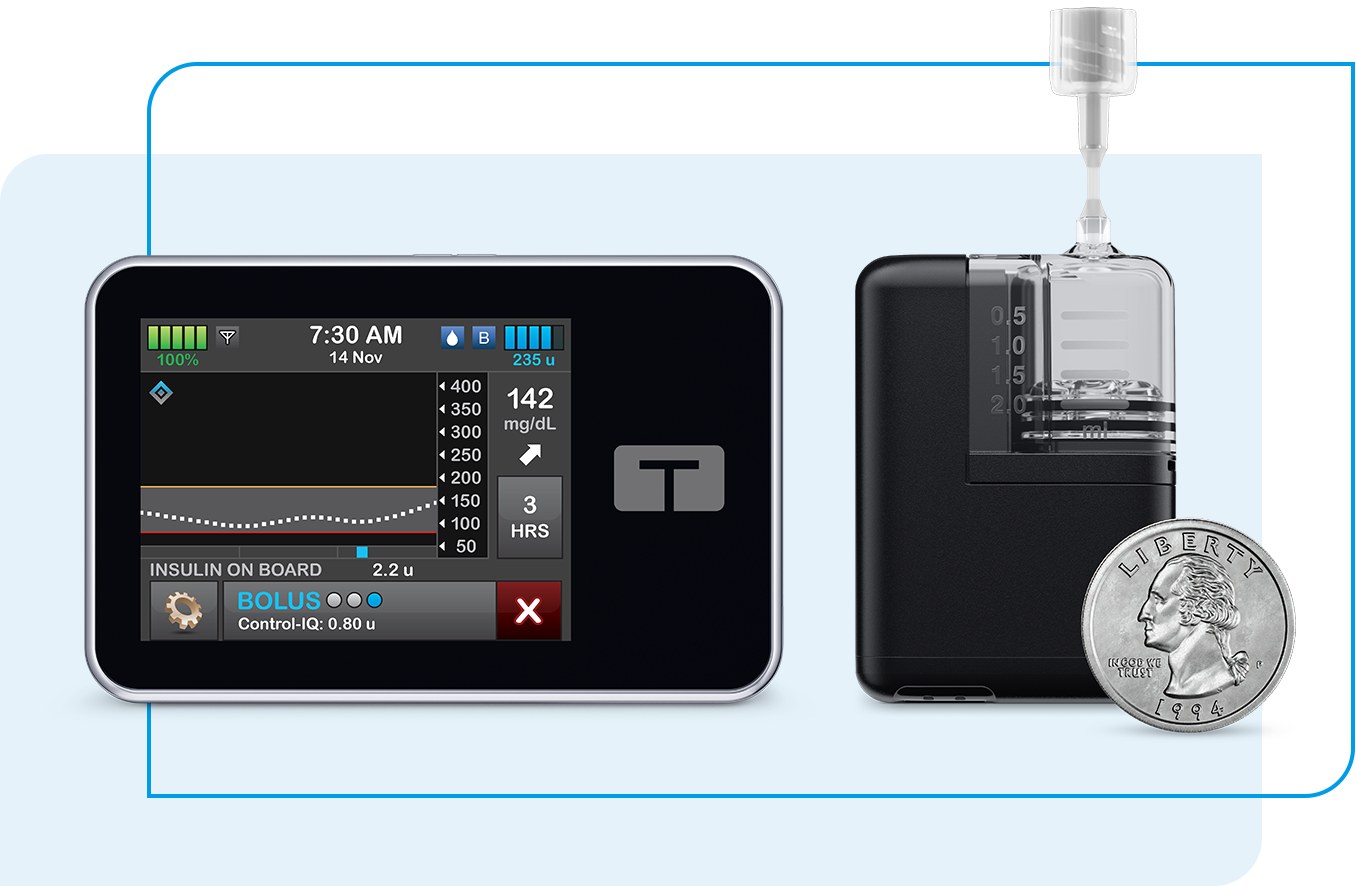
- The expanded label applies to both of Tandem’s delivery systems: the t:slim X2 and the Tandem Mobi.
- In the CIRCUIT trial, participants using Control-IQ+ spent 12.6% more time in the pregnancy-specific glucose target range (63-140 mg/dL) compared to those on standard therapy.
- Clinical improvements were observed within the first week of initiation and persisted through the end of the pregnancy. Maternal and neonatal outcomes in the study favored the group using Control-IQ technology over traditional multiple daily injections or standard pump therapy.
Managing type 1 diabetes during pregnancy is a high-stakes balancing act where glycemic goals are significantly tighter than for the general population. Historically, expectant mothers have had to rely on multiple daily injections or standard insulin pumps without the benefit of automated, pregnancy-specific adjustments. Tandem Diabetes Care has fundamentally altered this landscape with the FDA clearance of Control-IQ+ technology. This milestone establishes the t:slim X2 and Tandem Mobi as the first and only insulin delivery systems in the United States authorized to support patients through the complexities of gestation.
The clearance addresses a critical gap in the diabetes technology market. Because glucose targets are more aggressive during pregnancy, the need for automated adjustments to basal insulin delivery is paramount to avoid both maternal and neonatal complications. Dr. Jordan Pinsker, Chief Medical Officer at Tandem, emphasized that the technology is specifically designed to help patients achieve the higher “time in range” required for successful pregnancy outcomes, providing a level of precision that manual management often struggles to maintain.
Proven Efficacy: The CIRCUIT Trial Results
The FDA’s decision was heavily informed by data from the CIRCUIT trial, a multi-center study published in the Journal of the American Medical Association (JAMA). The results showed that users of the Control-IQ technology achieved approximately three additional hours per day within the pregnancy-specific glucose target range of 63-140 mg/dL. These gains were not limited to a specific demographic; improvements were noted across all study sites and regardless of the patient’s baseline HbA1c levels or previous insulin delivery methods.
According to Dr. Lois Donovan, the study’s principal investigator, the glycemic benefits were almost immediate. Improvements were recorded within the first seven days of initiating the system and remained stable until the conclusion of the pregnancy. This sustained performance is a significant indicator of the system’s reliability in handling the physiological shifts—such as increasing insulin resistance—that typically occur during the second and third trimesters.
Expanding Clinical Infrastructure and Provider Education
With this new indication, Tandem is launching an extensive educational campaign to prepare healthcare providers for the integration of AID systems into prenatal care. The initiative will kick off in June 2026 at the American Diabetes Association Scientific Sessions in New Orleans, where the company will host a product theater to detail the CIRCUIT study findings. This reflects a broader commitment to ensuring that maternal-fetal medicine specialists and endocrinologists have the training necessary to deploy these systems effectively.The pregnancy clearance is the latest in a series of research-backed expansions for the Control-IQ platform. Since 2019, major studies published in the New England Journal of Medicine have consistently demonstrated the platform’s ability to improve sleep and time in range across diverse populations. By extending these benefits to the pregnancy category, Tandem is not just expanding its product label; it is providing a vital clinical lifeline to a population that has long been underserved by automated healthcare technology.
