
• Skip to main content
  • Skip to secondary menu
  • Skip to primary sidebar
  • Skip to secondary sidebar
  • Skip to footer

  • Opinion
  • Health IT
    • Behavioral Health
    • Care Coordination
    • EMR/EHR
    • Interoperability
    • Patient Engagement
    • Population Health Management
    • Revenue Cycle Management
    • Social Determinants of Health
  • Digital Health
    • AI
    • Blockchain
    • Precision Medicine
    • Telehealth
    • Wearables
  • Life Sciences
  • Investments
  • M&A
  • Value-based Care
    • Accountable Care (ACOs)
    • Medicare Advantage

Study: Digital Tests Can Detect Alzheimer’s Decline Years Earlier

by Fred Pennic 06/27/2025 Leave a Comment

  • LinkedIn
  • Twitter
  • Facebook
  • Email
  • Print
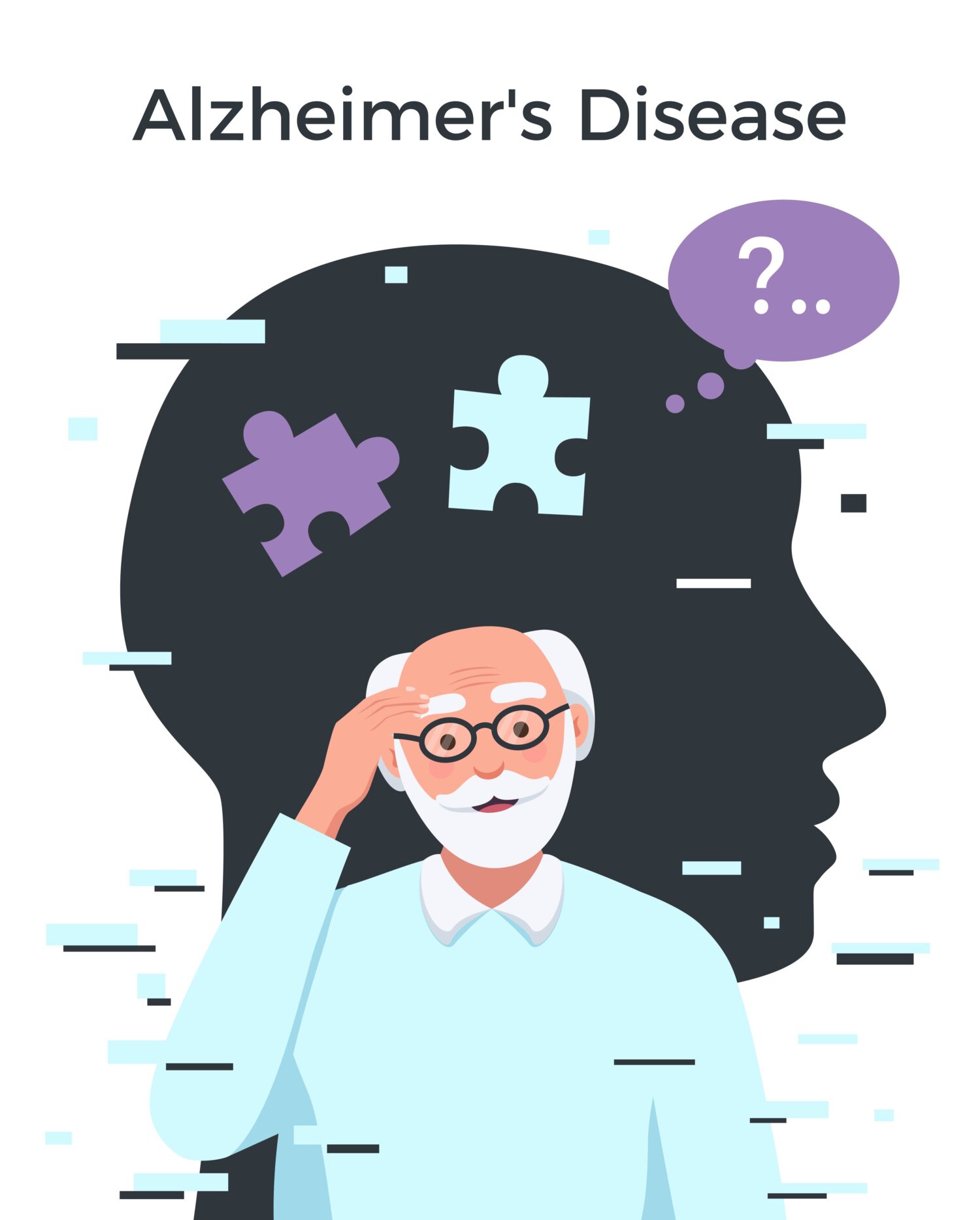
Image Credit: macrovector on Freepik

What You Should Know: 

– A new study published in the Journal of Alzheimer’s Disease reveals that digital cognitive assessments can detect the subtle, earliest indicators of cognitive impairment, potentially years before traditional testing methods or noticeable symptoms emerge. The pioneering research highlights how analyzing response times, or “latency,” can offer critical insights into neurodegenerative disease risk, including Alzheimer’s and other forms of dementia.

– The narrative review and synthesis study, titled “Precision neurocognition: An emerging diagnostic paradigm leveraging digital cognitive assessment technology,” was co-authored by David J. Libon, PhD, Professor at the New Jersey Institute for Successful Aging at Rowan University, and Rod Swenson, PhD, Clinical Professor of Psychiatry and Behavioral Science at the University of North Dakota School of Medicine and Health Sciences. Both experts are advisors to Linus Health, a company at the forefront of digital brain health solutions.

The Power of “Latency”: Beyond Correct Answers

The study’s key finding centers on how a brief, 7-minute speech-based digital cognitive assessment from Linus Health captures quantifiable data related to neurodegenerative disease risk. It focuses not just on whether a patient answers a question correctly, but how quickly they respond.

In their peer-reviewed article, Drs. Libon and Swenson introduce a series of novel digital biomarkers based on latency — the imperceptible pauses and reaction times between actions when responding to questions or test prompts. They demonstrate that subtle changes in the time required to respond, even when answers are 100% correct, can be interpreted as powerful biomarkers for identifying the risk of mild cognitive impairment (MCI), Alzheimer’s disease, and other forms of dementia.

“As our review demonstrates, just because an individual answers a question on a digital assessment 100% correctly does not mean a 0% risk of cognitive impairment,” said Dr. Libon. “We have shown here that the time it takes to correctly respond or recruit the necessary brain regions or strategies for efficient correct responding likely provides rich information regarding the probability of the eventual emergence of serious cognitive decline.”


Boston Process Approach

The new paradigm is rooted in principles drawn from the Boston Process Approach (BPA), a well-established neuropsychological assessment framework. The BPA, pioneered by Dr. Edith Kaplan (under whom Drs. Libon and Swenson trained and collaborated for decades), focuses on deriving cognitive function insights from a participant’s process of completing cognitive tasks, rather than simply their final answer. This understanding allows Linus Health’s digital solution to uncover critical insights that traditional methods might miss.

  • LinkedIn
  • Twitter
  • Facebook
  • Email
  • Print

Tap Native

Get in-depth healthcare technology analysis and commentary delivered straight to your email weekly

Reader Interactions

Primary Sidebar

Subscribe to HIT Consultant

Latest insightful articles delivered straight to your inbox weekly.

Submit a Tip or Pitch

Featured Insights

Aligning IT & Clinical Teams: How to Reduce Friction and Improve Communication

Most-Read

M&A: Tempus AI to Acquire Personalis for $1.5B to Expand Precision Oncology and MRD Monitoring

M&A: Tempus AI to Acquire Personalis for $1.5B to Expand Precision Oncology and MRD Monitoring

Why Brain Health Is Entering Its Infrastructure Era

Brain Health’s Infrastructure Era: Proving Clinical Outcomes with Integrated Neuromotor Tracking

Why Catholic Health Inked a $500M Care Alliance with GE HealthCare to Automate Outpatient Triage

Catholic Health Inks $500M Care Alliance with GE HealthCare to Automate Outpatient Triage

KLAS Global HIT Trends 2026 Report: Artificial Intelligence Becomes the Top Investment Priority

KLAS Global HIT Trends 2026 Report: Artificial Intelligence Becomes the Top Investment Priority

Optum Partners with Anthropic to Deploy Claude Across Healthcare Claims and Revenue Workflows

Optum Partners with Anthropic to Deploy Claude Across Healthcare Claims and Revenue Workflows

Rock Health H1 2026 Digital Health Funding Recap: Startups Hit $7.4B in Venture Rebound

Rock Health H1 2026 Digital Health Funding Recap: Startups Hit $7.4B in Venture Rebound

M&A: ResMed to Sell MatrixCare Business to Frazier Healthcare Partners for $450M

M&A: ResMed to Sell MatrixCare Business to Frazier Healthcare Partners for $450M

The Real Risk in Healthcare AI Isn’t the Model. It’s the Data. 

Clinical Data Fidelity: The Real Blindspot in Healthcare AI Strategy

KLAS 2026 EHR Market Share Report: Epic Gains as Oracle Health Faces Third Year of Losses

KLAS 2026 EHR Market Share Report: Epic Gains as Oracle Health Faces Third Year of Losses

Qualtrics Acquires Press Ganey Forsta for $6.75B to Create the Most Comprehensive AI Experience Platform

M&A: Qualtrics Completes $6.75B Acquisition of Press Ganey Forsta

Secondary Sidebar

Footer

Company

  • About Us
  • 2026 Editorial Calendar
  • Advertise with Us
  • Reprints and Permissions
  • Op-Ed Submission Guidelines
  • Contact
  • Subscribe

Editorial Coverage

  • Opinion
  • Health IT
    • Care Coordination
    • EMR/EHR
    • Interoperability
    • Population Health Management
    • Revenue Cycle Management
  • Digital Health
    • Artificial Intelligence
    • Blockchain Tech
    • Precision Medicine
    • Telehealth
    • Wearables
  • Startups
  • Value-Based Care
    • Accountable Care
    • Medicare Advantage

Connect

Subscribe to HIT Consultant Media

Latest insightful articles delivered straight to your inbox weekly

Copyright © 2026. HIT Consultant Media. All Rights Reserved. Privacy Policy |