
• Skip to main content
  • Skip to secondary menu
  • Skip to primary sidebar
  • Skip to secondary sidebar
  • Skip to footer

  • Opinion
  • Health IT
    • Behavioral Health
    • Care Coordination
    • EMR/EHR
    • Interoperability
    • Patient Engagement
    • Population Health Management
    • Revenue Cycle Management
    • Social Determinants of Health
  • Digital Health
    • AI
    • Blockchain
    • Precision Medicine
    • Telehealth
    • Wearables
  • Life Sciences
  • Investments
  • M&A
  • Value-based Care
    • Accountable Care (ACOs)
    • Medicare Advantage

Sheba Medical Center Develops AI Algorithm to Predict Pulmonary Embolism

by Jasmine Pennic 08/12/2024 Leave a Comment

  • LinkedIn
  • Twitter
  • Facebook
  • Email
  • Print

What You Should Know: 

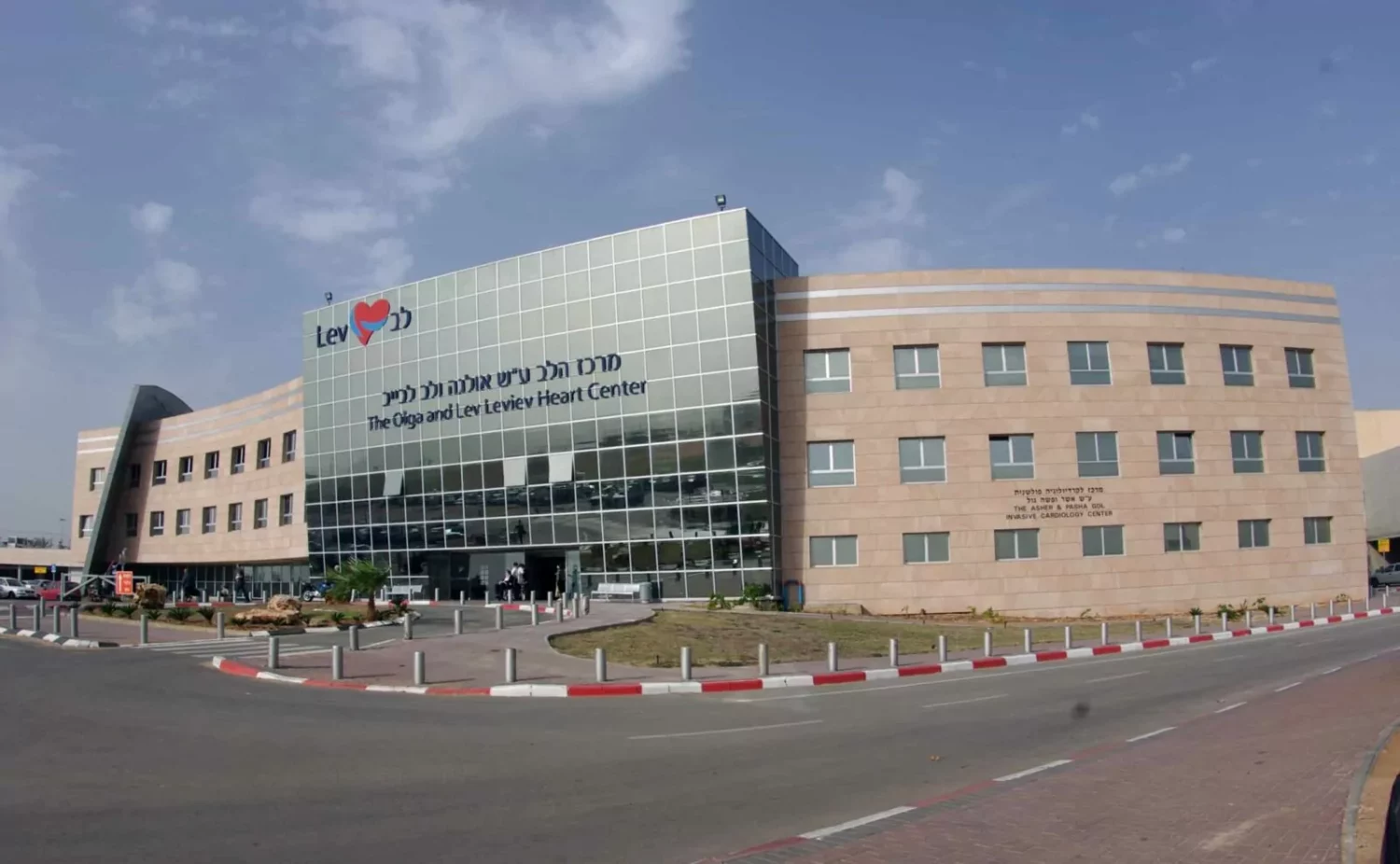
– Sheba Medical Center, a globally recognized healthcare leader, announced the publication of a groundbreaking study demonstrating the effectiveness of an AI algorithm in predicting pulmonary embolism (PE) risk upon hospital admission. 

– The research, published in the Journal of Medical Internet Research, involved analyzing medical records of over 46,000 patients and identifying a machine learning model capable of accurately predicting PE risk.

Understanding Pulmonary Embolism

Pulmonary embolism, a potentially fatal condition caused by a blood clot blocking a lung artery, remains a significant challenge in healthcare. Traditional diagnosis methods rely on CT scans and clinical judgment, which can lead to delays in treatment. Sheba’s AI algorithm offers the potential to improve early detection and intervention significantly.

Led by Prof. Gad Segal, Head of the Sheba Education Authority, in collaboration with researchers from Ben-Gurion University, the study successfully trained a random forest algorithm to identify patients at high risk of PE based on their medical history. This breakthrough has the potential to revolutionize PE diagnosis and treatment, enabling clinicians to initiate timely interventions and improve patient outcomes.

AI Model Integration

Sheba Medical Center plans to integrate this AI model into its clinical workflow alongside other diagnostic tools to create a comprehensive risk assessment platform. By combining advanced analytics with clinical expertise, the hospital aims to further enhance patient care and reduce the burden of PE.

“Early and timely diagnosis of pulmonary embolism is challenging, yet crucial, due to the condition’s high rate of mortality and morbidity,” said Prof. Gad Segal. “This study highlights the enormous potential of machine learning tools to support innovation in diagnostics. Even though the model only used data available from patients on arrival to the ER, it was still able to predict with high accuracy the likelihood a patient developing PE, a crucial advancement for patient care and outcomes.”

  • LinkedIn
  • Twitter
  • Facebook
  • Email
  • Print

Tagged With: Artificial Intelligence

Tap Native

Get in-depth healthcare technology analysis and commentary delivered straight to your email weekly

Reader Interactions

Primary Sidebar

Subscribe to HIT Consultant

Latest insightful articles delivered straight to your inbox weekly.

Submit a Tip or Pitch

2026 Predictions & Trends

Healthcare 2026 Forecast: Executives on AI Survival, Financial Reckoning, and the End of Point Solutions

2026 Healthcare Executive Predictions: Why the AI “Pilot Era” Is Officially Over

Most-Read

Kristen Hartsell, VP of Clinical Services, RedSail Technologies

The Pharmacy Closures Crisis: How Independent Pharmacies Are Fixing Pharmacy Deserts

HHS Launches 'OneHHS' AI Strategy to Integrate AI Across CDC, CMS, and FDA for Efficiency and Public Trust

HHS Launches ‘OneHHS’ AI Strategy to Integrate AI Across CDC, CMS, and FDA for Efficiency and Public Trust

From Overwhelmed to Optimized: How AI Agents Address Staffing Challenges and Burnout in Healthcare

From Overwhelmed to Optimized: How AI Agents Address Staffing Challenges and Burnout in Healthcare

The VBC Paradox: Why Hospitals Are Doubling Down on Value-Based Care While Revenue at Risk Lags

The VBC Paradox: Why Hospitals Are Doubling Down on Value-Based Care While Revenue at Risk Lags

Tebra Secures $250M to Challenge Legacy EHRs with AI-Powered Automation

Tebra Secures $250M to Challenge Legacy EHRs with AI-Powered Automation

AstraZeneca Selects Salesforce Agentforce Life Sciences to Deploy AI-Powered Global Customer Engagement

AstraZeneca Selects Salesforce Agentforce Life Sciences to Deploy AI-Powered Global Customer Engagement

Aidoc Partners with NVIDIA MONAI to Scale Open-Source Clinical AI

Aidoc Partners with NVIDIA MONAI to Scale Open-Source Clinical AI

RapidAI Secures FDA Clearance for Five New Deep Clinical AI Modules, Expanding Enterprise Imaging Platform

RapidAI and AWS Deepen Partnership to Scale Clinical AI in Healthcare

Greece and Sword Health to Build AI-Powered Healthcare Front Door

Greece and Sword Health to Build AI-Powered Healthcare Front Door

GE HealthCare Acquires Intelerad for $2.3B to Create Cloud-First, AI-Enabled Imaging Ecosystem

GE HealthCare Acquires Intelerad for $2.3B to Create Cloud-First, AI-Enabled Imaging Ecosystem

Secondary Sidebar

Footer

Company

  • About Us
  • Advertise with Us
  • Reprints and Permissions
  • Op-Ed Submission Guidelines
  • Contact
  • Subscribe

Editorial Coverage

  • Opinion
  • Health IT
    • Care Coordination
    • EMR/EHR
    • Interoperability
    • Population Health Management
    • Revenue Cycle Management
  • Digital Health
    • Artificial Intelligence
    • Blockchain Tech
    • Precision Medicine
    • Telehealth
    • Wearables
  • Startups
  • Value-Based Care
    • Accountable Care
    • Medicare Advantage

Connect

Subscribe to HIT Consultant Media

Latest insightful articles delivered straight to your inbox weekly

Copyright © 2025. HIT Consultant Media. All Rights Reserved. Privacy Policy |