
• Skip to main content
  • Skip to secondary menu
  • Skip to primary sidebar
  • Skip to secondary sidebar
  • Skip to footer

  • Opinion
  • Health IT
    • Behavioral Health
    • Care Coordination
    • EMR/EHR
    • Interoperability
    • Patient Engagement
    • Population Health Management
    • Revenue Cycle Management
    • Social Determinants of Health
  • Digital Health
    • AI
    • Blockchain
    • Precision Medicine
    • Telehealth
    • Wearables
  • Life Sciences
  • Investments
  • M&A
  • Value-based Care
    • Accountable Care (ACOs)
    • Medicare Advantage

Mastercard, b.well Team Up on Digital Health Patient ID Verification for Interoperability

by Jasmine Pennic 04/01/2021 Leave a Comment

  • LinkedIn
  • Twitter
  • Facebook
  • Email
  • Print

What You Should Know:

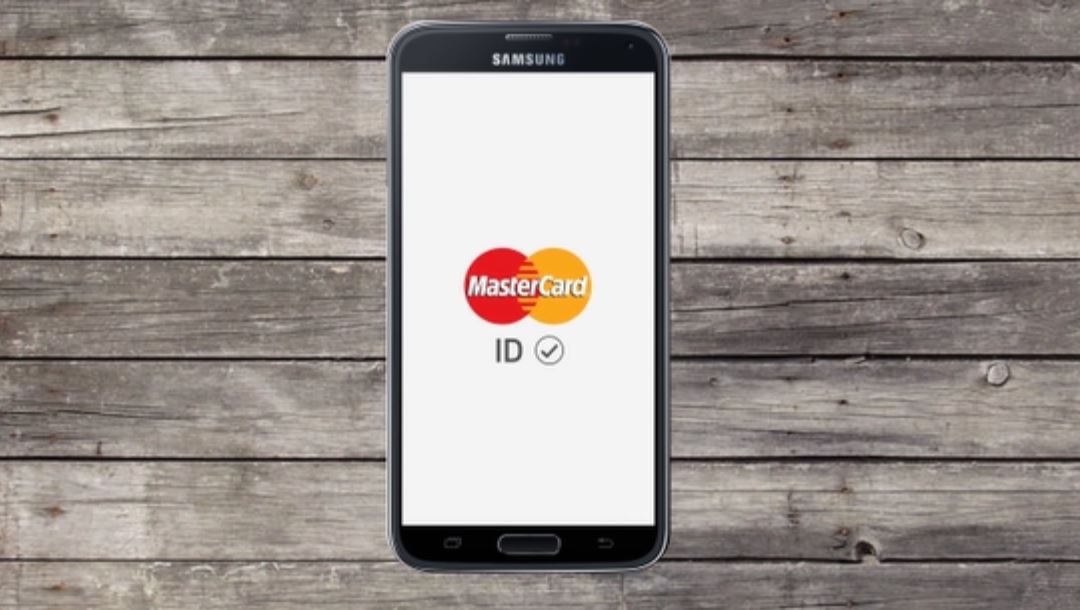
–  b.well Connected Health today announced a partnership with Mastercard to provide individuals a simpler and more secure way to prove their identity online and in-person when accessing healthcare services.

– The partnership enables healthcare organizations to provide their members and patients with a biometric alternative to verify their identity in-person or virtually, replacing traditional processes involving physical documents such as a driver’s license. 

– The partnership marks b.well as the first healthcare partner in a new Mastercard digital ID verification product, marking a significant point of progress for patient cybersecurity, data security and interoperability.

– ThedaCare, a 7-hospital Wisconsin health system that has made b.well available to its communities under the name “Ripple,” is the first U.S. health system to use Mastercard ID Verification.

Understanding Mastercard ID Verification

Mastercard’s ID Verification service employs a combination of government ID document scanning, facial biometrics with liveness detection, and mobile phone intelligence to deliver high success rates for automated user verification. Mastercard ID Verification is designed to comply with the National Institute of Standards and Technology (NIST) Identity Assurance Level 2 (IAL2), the federal government’s highest level of assurance for remote consumer-facing identity proofing. The NIST IAL2 benchmark is cited as a requirement in many healthcare use cases involving patient data sharing, aligned with the ONC Cures Act Final Rule for secure patient access to their medical record.

“Mastercard is working to deliver a globally interoperable ID, ensuring strong security and governance. Our partnership with b.well offers consumers the ability to interact with their health plan providers and third parties while better protecting their personal identity information,” said Sarah Clark, Senior Vice President Digital Identity of Mastercard. “We’re pleased to join b.well in helping to provide consumers with a trusted and truly patient-centered digital health care journey.”

  • LinkedIn
  • Twitter
  • Facebook
  • Email
  • Print

Tagged With: connected health, Cybersecurity, digital health, Final Rule, interoperability, ONC, Patient Access

Tap Native

Get in-depth healthcare technology analysis and commentary delivered straight to your email weekly

Reader Interactions

Primary Sidebar

Subscribe to HIT Consultant

Latest insightful articles delivered straight to your inbox weekly.

Submit a Tip or Pitch

Featured Insights

Aligning IT & Clinical Teams: How to Reduce Friction and Improve Communication

Most-Read

Aidoc Secures $150M to Accelerate Enterprise-Scale Clinical AI Across 2,000 Hospitals

OpenAI Launches ChatGPT for Clinicians: Free AI Documentation and Research Tool for Verified Physicians

OpenAI Launches ChatGPT for Clinicians: Free AI Documentation and Research Tool for Verified Physicians

IKS Health Acquires TruBridge for Rural EHR and RCM Solutions Expansion

IKS Health Acquires TruBridge for Rural EHR and RCM Solutions Expansion

UT Austin is Building the Nation's First 'AI-Native' Hospital, Backed by $750M

Why UT Austin is Building an ‘AI-Native’ Hospital from Scratch

The Medtech Pitch Deck Casino: Why Hype Still Wins, and How Scrutiny Could Improve Everyone’s Odds

The Casino Model: Why Medtech VCs Are Betting Billions on Unproven AI

Oracle Lays Off 539 Kansas City Employees as Focus Shifts to AI Data Centers

Oracle Lays Off 539 Kansas City Employees as Focus Shifts to AI Data Centers

SAMHSA and ONC Invest $20M in Behavioral Health IT Initiative

HHS Reverses 2024 Tech Reorganization: Why HHS Just Stripped AI and Cyber Operations Out of the ONC

How Small Medical Practices Can Build HIPAA-Aligned DevSecOps Without Enterprise Budgets

How Small Medical Practices Can Build HIPAA-Aligned DevSecOps Without Enterprise Budgets

Insilico Medicine and Eli Lilly Form $2.75B AI Drug Discovery Collaboration

Insilico Medicine and Eli Lilly Form $2.75B AI Drug Discovery Collaboration

Microsoft Copilot Health, Integrates Apple Health, Oura, and 50,000 EHRs in New AI Push

Microsoft Launches Copilot Health, Integrates Apple Health, Oura, and 50,000 EHRs in New AI Push

Secondary Sidebar

Footer

Company

  • About Us
  • 2026 Editorial Calendar
  • Advertise with Us
  • Reprints and Permissions
  • Op-Ed Submission Guidelines
  • Contact
  • Subscribe

Editorial Coverage

  • Opinion
  • Health IT
    • Care Coordination
    • EMR/EHR
    • Interoperability
    • Population Health Management
    • Revenue Cycle Management
  • Digital Health
    • Artificial Intelligence
    • Blockchain Tech
    • Precision Medicine
    • Telehealth
    • Wearables
  • Startups
  • Value-Based Care
    • Accountable Care
    • Medicare Advantage

Connect

Subscribe to HIT Consultant Media

Latest insightful articles delivered straight to your inbox weekly

Copyright © 2026. HIT Consultant Media. All Rights Reserved. Privacy Policy |