
• Skip to main content
  • Skip to secondary menu
  • Skip to primary sidebar
  • Skip to secondary sidebar
  • Skip to footer

  • Opinion
  • Health IT
    • Behavioral Health
    • Care Coordination
    • EMR/EHR
    • Interoperability
    • Patient Engagement
    • Population Health Management
    • Revenue Cycle Management
    • Social Determinants of Health
  • Digital Health
    • AI
    • Blockchain
    • Precision Medicine
    • Telehealth
    • Wearables
  • Life Sciences
  • Investments
  • M&A
  • Value-based Care
    • Accountable Care (ACOs)
    • Medicare Advantage

U of Michigan Launches 3-Year Health Data Collection Study Using Apple Watch

by Fred Pennic 03/14/2019 Leave a Comment

  • LinkedIn
  • Twitter
  • Facebook
  • Email
  • Print
U of Michigan Launches 3-Year Apple Watch Health Wellness Study

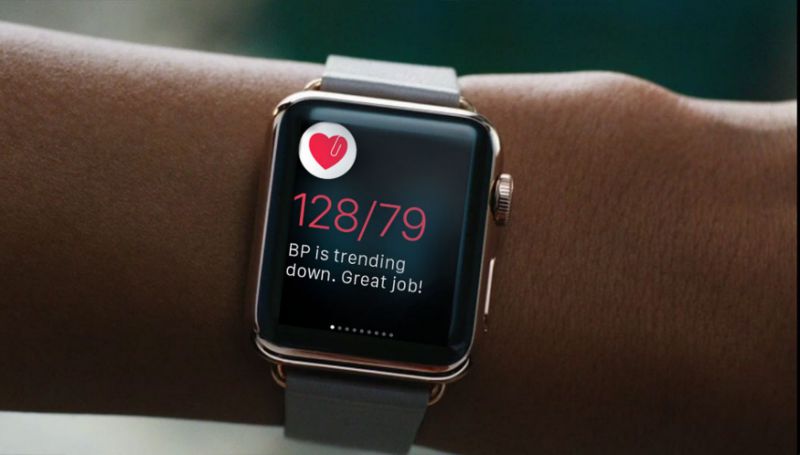
The University of Michigan has launched a three-year research study to understand if data collected on Apple Watch, combined with other health information, can provide insight into health, wellness, and disease. The goal of the research study is to understand the role of wearable mobile devices in predicting the onset of common health conditions and understanding the health trajectories of participants with these conditions.

MIPACT Study Background

The study called  MIPACT (Michigan Predictive Activity and Clinical Trajectories), is already underway, with 1,000 participants enrolled with plans to enroll thousands more patients from its academic medical center over the next year. Participants will be asked to complete surveys while using an Apple Watch and a blood pressure monitor for researchers to better understand their overall health and level of activity.

The resulting data will be made available to participants and researchers who are studying health information, daily activity, wearable signals, and participant-reported quality of life with an eye toward an improved understanding of wellness and disease. Apple is collaborating with U-M to conduct this study and a subset of the data will be available to Apple researchers.

Why MIPACT?

The interaction between disease, daily quality of life, and healthcare services are poorly understood in today’s research. Comprehensive data from electronic health records (EHR), collected over a long period of time (longitudinal data) can complement the physiological and lifestyle data derived from the Apple Watch. In addition, genomic testing can show how inherited traits may contribute to the development of disease.

Finally, data recorded by the Apple Watch, such as step count, heart rate, and other activity data, provide valuable information that is often missing from research and quality improvement efforts by healthcare providers.

“This study is a unique opportunity to work with patients to gain insight into their daily and overall health status, providing a wealth of data that can be used for research that benefits everyone and advances health care,” says Marshall S. Runge, M.D., Ph.D., executive vice president for medical affairs and dean of the U-M Medical School.

The study is sponsored, in part, by Apple Inc., who is providing partial financial support and materials for the study.

  • LinkedIn
  • Twitter
  • Facebook
  • Email
  • Print

Tagged With: Apple Watch, Biosensors, clinical research

Tap Native

Get in-depth healthcare technology analysis and commentary delivered straight to your email weekly

Reader Interactions

Primary Sidebar

Subscribe to HIT Consultant

Latest insightful articles delivered straight to your inbox weekly.

Submit a Tip or Pitch

Featured Research Report

2026 Best in KLAS Awards: The Full List of Software & Services Winners

Most-Read

The "Platform" Squeeze: Epic Releases Native AI Charting, Putting Venture-Backed Scribes on Notice

The “Platform” Squeeze: Epic Releases Native AI Charting, Putting Venture-Backed Scribes on Notice

Analysis: Oracle Cerner’s Plans for a National EHR

Oracle May Cut 30k Jobs and Sell Cerner to Fund $156B OpenAI Deal

The $1.9B Exit: Why CommonSpirit is Insourcing Revenue Cycle and Tenet is Betting Big on Conifer AI

The $1.9B Exit: Why CommonSpirit is Insourcing Revenue Cycle and Tenet is Betting Big on Conifer AI

KLAS 2026 Rankings: Aledade and Guidehealth Named Top VBC Enablement Firms

KLAS 2026 Rankings: Aledade and Guidehealth Named Top VBC Enablement Firms

Beyond the Hype: New KLAS Data Validates the Financial and Clinical ROI of Ambient AI

Beyond the Hype: New KLAS Data Validates the Financial and Clinical ROI of Ambient AI

Anthropic Debuts ‘Claude for Healthcare’ and Opus 4.5 to Engineer the Future of Life Sciences

Anthropic Debuts ‘Claude for Healthcare’ and Opus 4.5 to Engineer the Future of Life Sciences

OpenAI Debuts ChatGPT Health: A ‘Digital Front Door’ That Connects Medical Records to Agentic AI

OpenAI Debuts ChatGPT Health: A ‘Digital Front Door’ That Connects Medical Records to Agentic AI

From Genes to Hackers: The Hidden Cybersecurity Risks in Life Sciences

From Genes to Hackers: The Hidden Cybersecurity Risks in Life Sciences

Utah Becomes First State to Approve AI System for Prescription Renewals

Utah Becomes First State to Approve AI System for Prescription Renewals

NYC Health + Hospitals to Acquire Maimonides in $2.2B Safety Net Overhaul

NYC Health + Hospitals to Acquire Maimonides in $2.2B Safety Net Overhaul

Secondary Sidebar

Footer

Company

  • About Us
  • 2026 Editorial Calendar
  • Advertise with Us
  • Reprints and Permissions
  • Op-Ed Submission Guidelines
  • Contact
  • Subscribe

Editorial Coverage

  • Opinion
  • Health IT
    • Care Coordination
    • EMR/EHR
    • Interoperability
    • Population Health Management
    • Revenue Cycle Management
  • Digital Health
    • Artificial Intelligence
    • Blockchain Tech
    • Precision Medicine
    • Telehealth
    • Wearables
  • Startups
  • Value-Based Care
    • Accountable Care
    • Medicare Advantage

Connect

Subscribe to HIT Consultant Media

Latest insightful articles delivered straight to your inbox weekly

Copyright © 2026. HIT Consultant Media. All Rights Reserved. Privacy Policy |