
• Skip to main content
  • Skip to secondary menu
  • Skip to primary sidebar
  • Skip to secondary sidebar
  • Skip to footer

  • Opinion
  • Health IT
    • Behavioral Health
    • Care Coordination
    • EMR/EHR
    • Interoperability
    • Patient Engagement
    • Population Health Management
    • Revenue Cycle Management
    • Social Determinants of Health
  • Digital Health
    • AI
    • Blockchain
    • Precision Medicine
    • Telehealth
    • Wearables
  • Life Sciences
  • Investments
  • M&A
  • Value-based Care
    • Accountable Care (ACOs)
    • Medicare Advantage

UMass Lowell Awarded $1M Grant to Develop Secure Cyberinfrastructure for Translational Research

by Fred Pennic 03/12/2019 Leave a Comment

  • LinkedIn
  • Twitter
  • Facebook
  • Email
  • Print

UMass Lowell Awarded $1M Grant to Develop Secure Cyberinfrastructure for Translational Research

The National Science Foundation (NSF) has awarded a three-year grant totaling nearly $1 million to a team of UMass Lowell researchers led by Prof. Yan Luo of UMass Lowell’s Department of Electrical and Computer Engineering to develop a secure cyberinfrastructure for translational research. Luo’s fellow researchers on the project are Associate Prof. Yu Cao of UMass Lowell’s Computer Science Department, along with colleagues Assistant Prof. Peilong Li of Elizabethtown College and Prof. Silvia Corvera and Jomol Mathew, Ph.D., of UMass Medical School.

Defining Translational Research

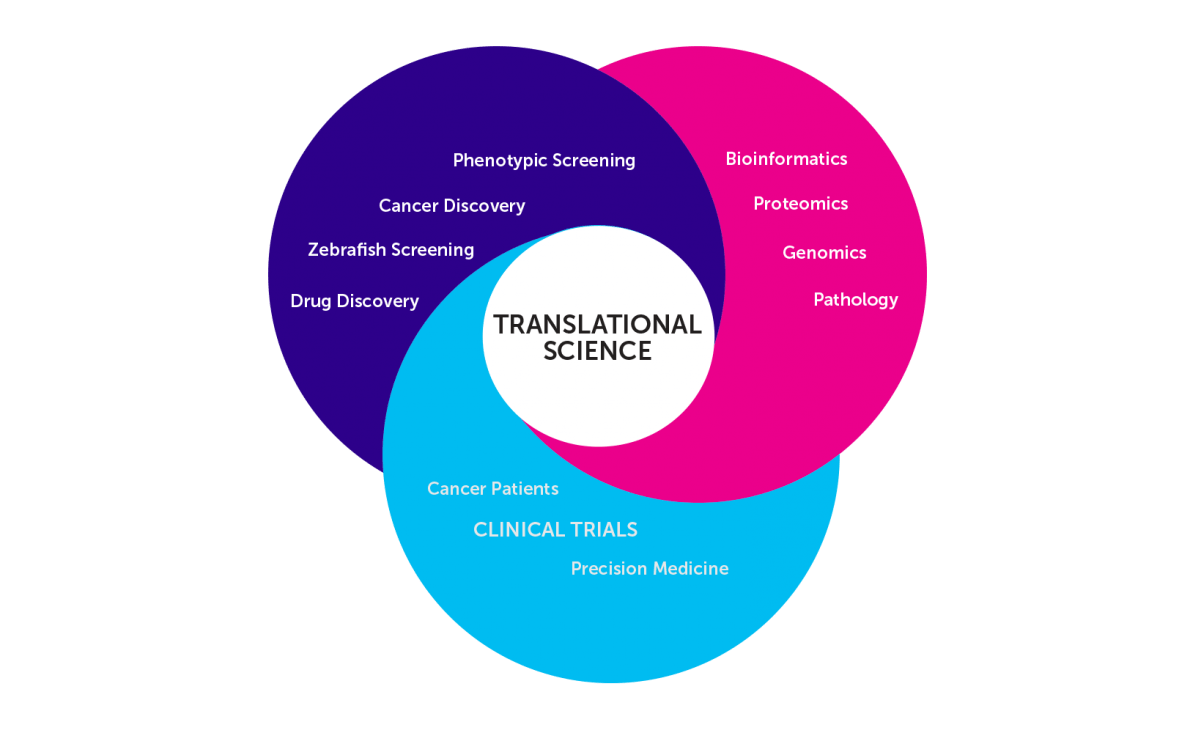
Translational research, also known as translational medicine or translational science, refers to the effort of translating or harnessing knowledge from basic biomedical research in the lab into potentially new drugs, therapies, medical devices, diagnostic screening or treatment for patients and bringing these innovations to market.

“Translational research has been driven by the increasing amount of diverse datasets collected from medical instruments, sensors, patient records and genetic samples,” said Luo, who is the director of the university’s Advanced Computing and Networking Systems Laboratory and is leading the NSF project.

Project Details

The NSF envisions “cyberinfrastructure” as a collaborative research environment in which computing systems, data storage systems, visualization tools, advanced instruments, and scientists are all linked by high-speed networks to provide powerful capabilities for driving innovation and discoveries not otherwise possible within a single institution.

According to Luo, clinical researchers rely heavily on cyberinfrastructure to understand trends, derive correlations and/or identify anomalies that are instrumental to the accurate diagnosis and effective treatment of diseases as well as the discovery of “precision” drugs that target specific illnesses.

A secure cyberinfrastructure enables researchers to quickly access and shares vast datasets with their external counterparts and industry partners, and it allows for faster and more efficient virtual experiments and simulations as well as building better health profiles and predictive models for individual patients.

“In this context, the security of patient data is critical,” Luo said, adding that the NSF project will enable sharing and computing of sensitive datasets between private computer clusters, a shared high-performance computing facility (such as the Massachusetts Green High-Performance Computing Center in Holyoke) and/or a HIPAA-compliant cloud.

SDI refers to the operation of IT infrastructure entirely under the control of software and with little or no human intervention.

“This is the first project to bring the agility and resilience of SDI to clinical research activities,” said Luo. “The resulting infrastructure can be applied to a wide range of cyberinfrastructure that handles sensitive data, including homeland security and counterterrorism.”

Featured image credit: Cancer Research UK Edinburg Centre

  • LinkedIn
  • Twitter
  • Facebook
  • Email
  • Print

Tagged With: Biomedical Knowledge, Precision Medicine, Translational Research

Tap Native

Get in-depth healthcare technology analysis and commentary delivered straight to your email weekly

Reader Interactions

Primary Sidebar

Subscribe to HIT Consultant

Latest insightful articles delivered straight to your inbox weekly.

Submit a Tip or Pitch

2026 Predictions & Trends

Healthcare 2026 Forecast: Executives on AI Survival, Financial Reckoning, and the End of Point Solutions

2026 Healthcare Executive Predictions: Why the AI “Pilot Era” Is Officially Over

Most-Read

KLAS Report: Why Hospitals Are Choosing Efficiency Over 'Agentic' AI Hype in 2025

KLAS Report: Why Hospitals Are Choosing Efficiency Over ‘Agentic’ AI Hype in 2025

Advanced Primary Care 2026: Top 6 Investments for Health Systems According to Harvard Medical School

Advanced Primary Care 2026: Top 6 Investments for Health Systems According to Harvard Medical School

AI Nutrition Labels: The Key to Provider Adoption and Patient Trust?

AI Nutrition Labels: The Key to Provider Adoption and Patient Trust?

Kristen Hartsell, VP of Clinical Services, RedSail Technologies

The Pharmacy Closures Crisis: How Independent Pharmacies Are Fixing Pharmacy Deserts

HHS Launches 'OneHHS' AI Strategy to Integrate AI Across CDC, CMS, and FDA for Efficiency and Public Trust

HHS Launches ‘OneHHS’ AI Strategy to Integrate AI Across CDC, CMS, and FDA for Efficiency and Public Trust

From Overwhelmed to Optimized: How AI Agents Address Staffing Challenges and Burnout in Healthcare

From Overwhelmed to Optimized: How AI Agents Address Staffing Challenges and Burnout in Healthcare

The VBC Paradox: Why Hospitals Are Doubling Down on Value-Based Care While Revenue at Risk Lags

The VBC Paradox: Why Hospitals Are Doubling Down on Value-Based Care While Revenue at Risk Lags

Tebra Secures $250M to Challenge Legacy EHRs with AI-Powered Automation

Tebra Secures $250M to Challenge Legacy EHRs with AI-Powered Automation

AstraZeneca Selects Salesforce Agentforce Life Sciences to Deploy AI-Powered Global Customer Engagement

AstraZeneca Selects Salesforce Agentforce Life Sciences to Deploy AI-Powered Global Customer Engagement

Aidoc Partners with NVIDIA MONAI to Scale Open-Source Clinical AI

Aidoc Partners with NVIDIA MONAI to Scale Open-Source Clinical AI

Secondary Sidebar

Footer

Company

  • About Us
  • Advertise with Us
  • Reprints and Permissions
  • Op-Ed Submission Guidelines
  • Contact
  • Subscribe

Editorial Coverage

  • Opinion
  • Health IT
    • Care Coordination
    • EMR/EHR
    • Interoperability
    • Population Health Management
    • Revenue Cycle Management
  • Digital Health
    • Artificial Intelligence
    • Blockchain Tech
    • Precision Medicine
    • Telehealth
    • Wearables
  • Startups
  • Value-Based Care
    • Accountable Care
    • Medicare Advantage

Connect

Subscribe to HIT Consultant Media

Latest insightful articles delivered straight to your inbox weekly

Copyright © 2025. HIT Consultant Media. All Rights Reserved. Privacy Policy |