• Skip to main content
  • Skip to secondary menu
  • Skip to primary sidebar
  • Skip to secondary sidebar
  • Skip to footer

  • Opinion
  • Health IT
    • Behavioral Health
    • Care Coordination
    • EMR/EHR
    • Interoperability
    • Patient Engagement
    • Population Health Management
    • Revenue Cycle Management
    • Social Determinants of Health
  • Digital Health
    • AI
    • Blockchain
    • Precision Medicine
    • Telehealth
    • Wearables
  • Life Sciences
  • Investments
  • M&A
  • Value-based Care
    • Accountable Care (ACOs)
    • Medicare Advantage

Google’s New Patent: Drone-Assitsed Medical Aid Delivery

by Fred Pennic 04/06/2016 Leave a Comment

  • LinkedIn
  • Twitter
  • Facebook
  • Email
  • Print

Google Awarded Patent For Drone-Assitsed Medical Aid Delivery

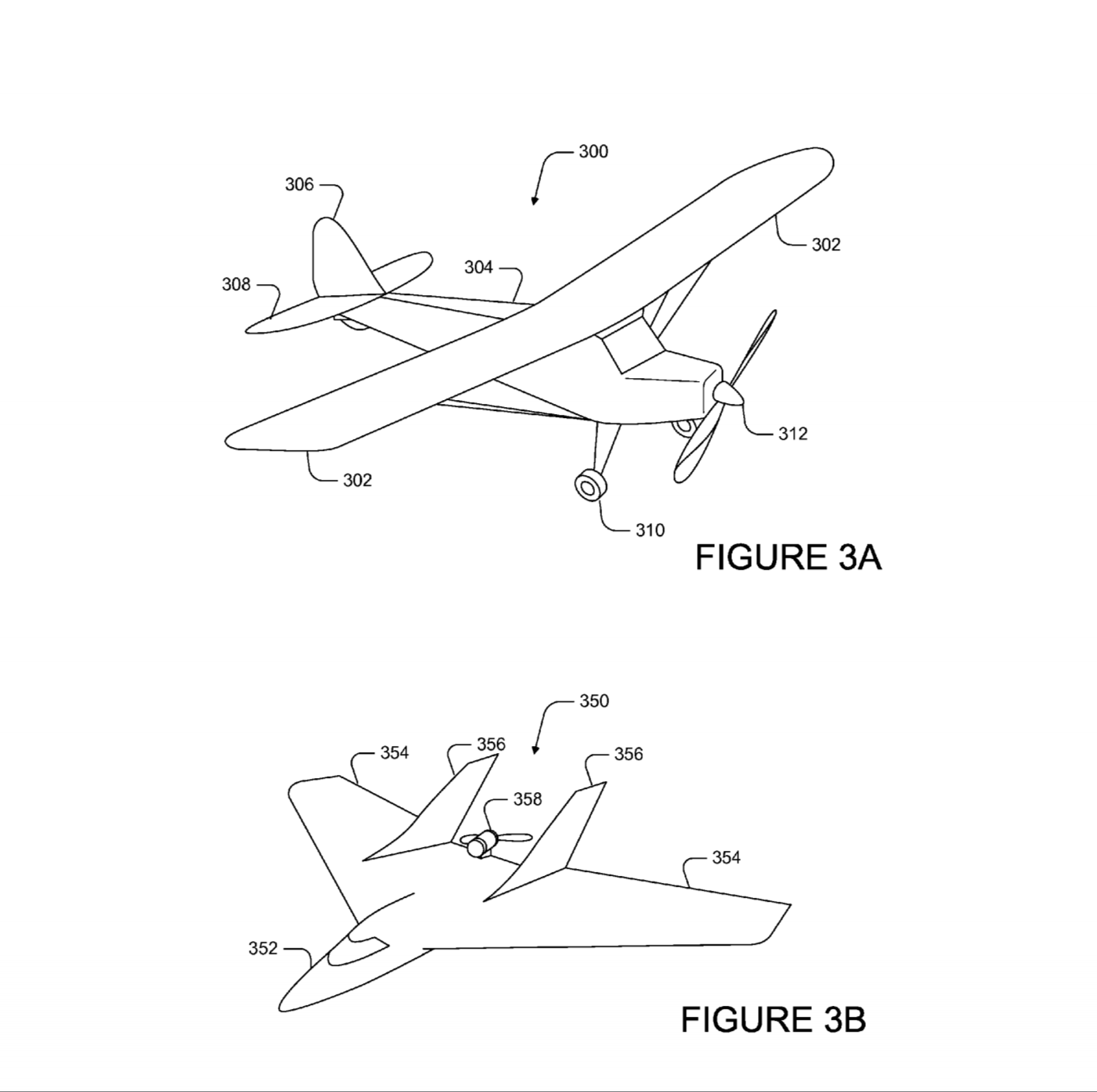
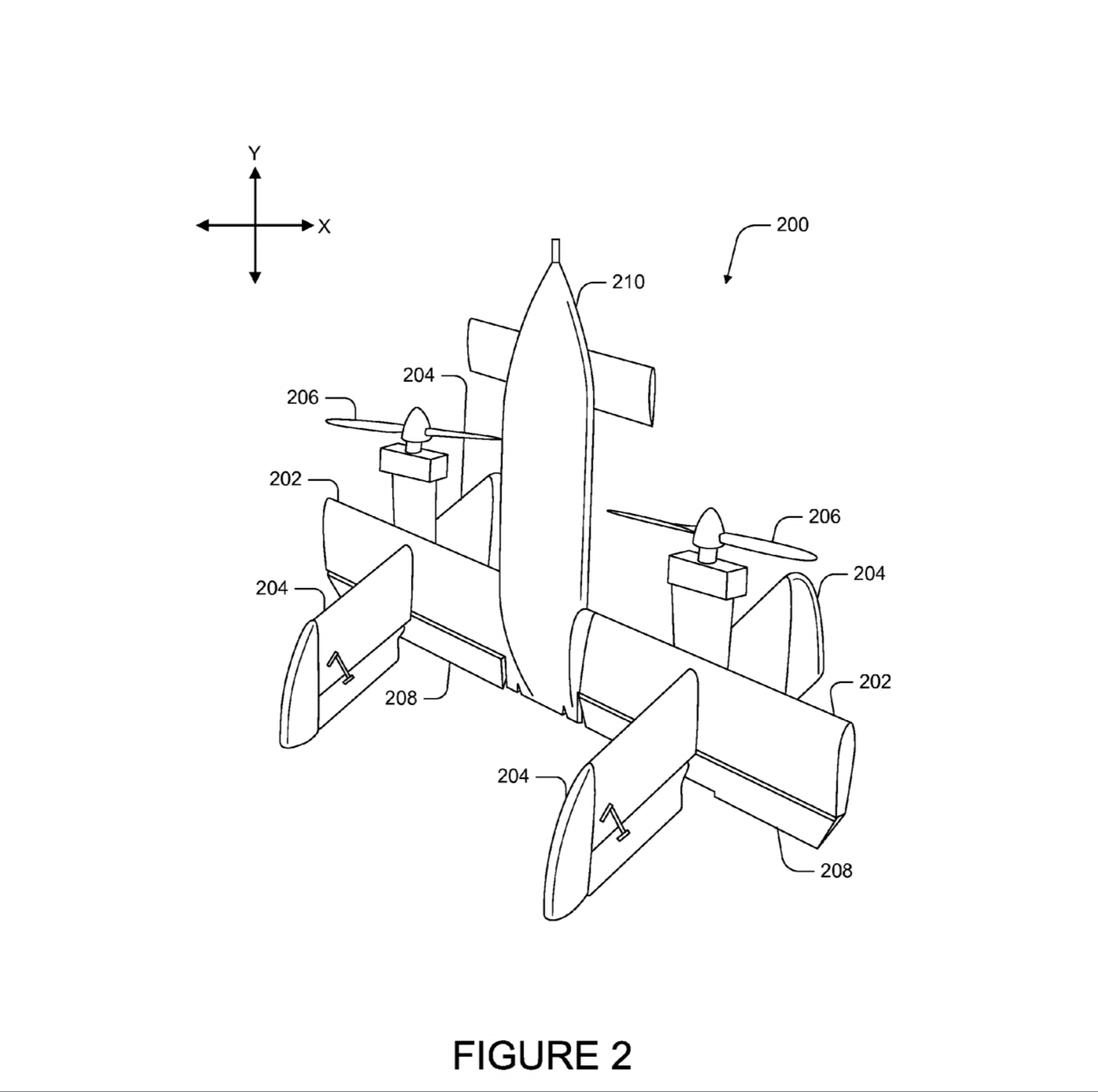
Google has been awarded a patent that indicates its interest in using drones for transporting and delivering medical aid. Unmanned aerial vehicles, or UAVs – also known as drones – have long been a topic of conversation among healthcare innovators, who hope to use the fast flying technology to deliver medical aid at record speed. 

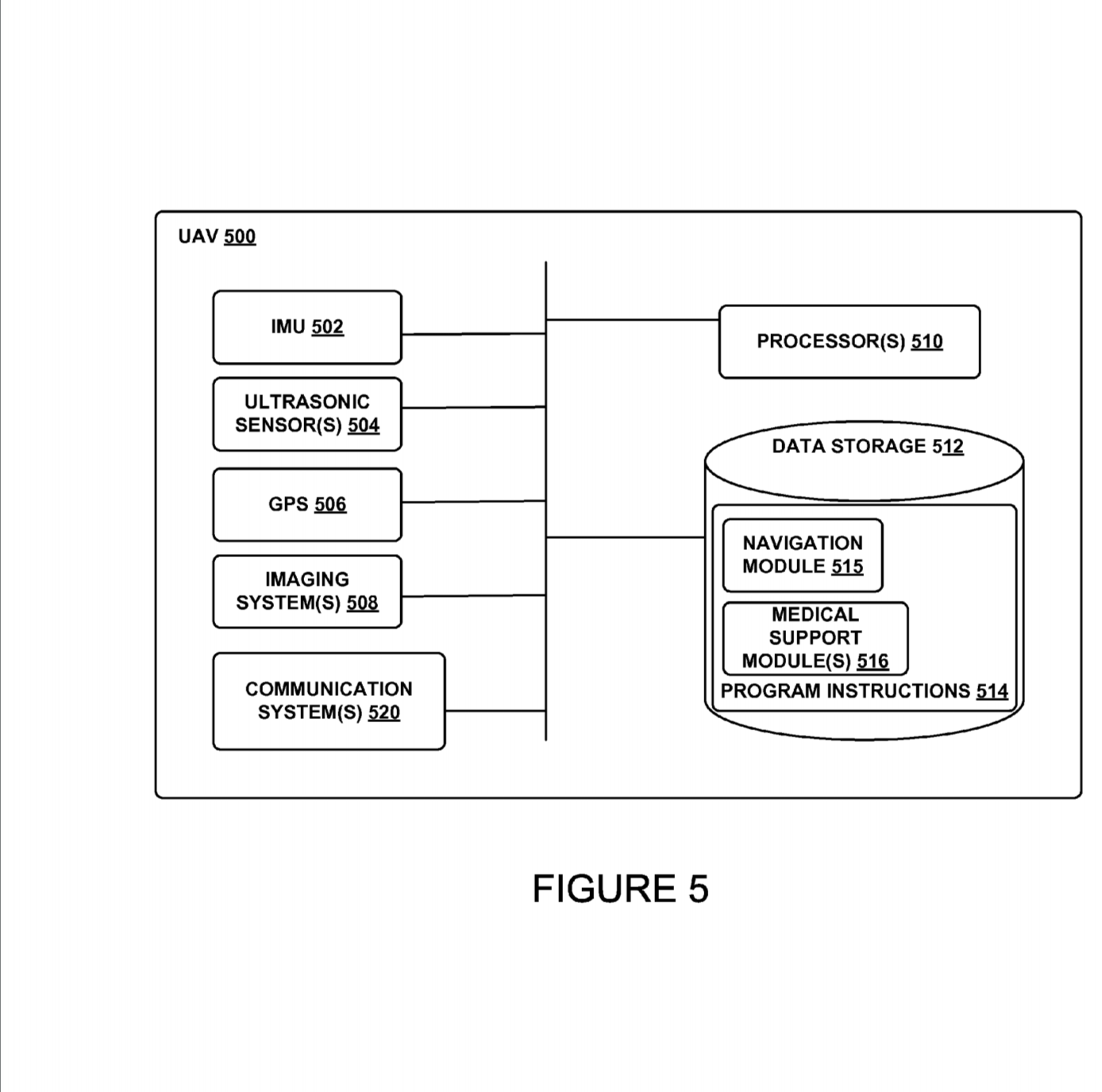
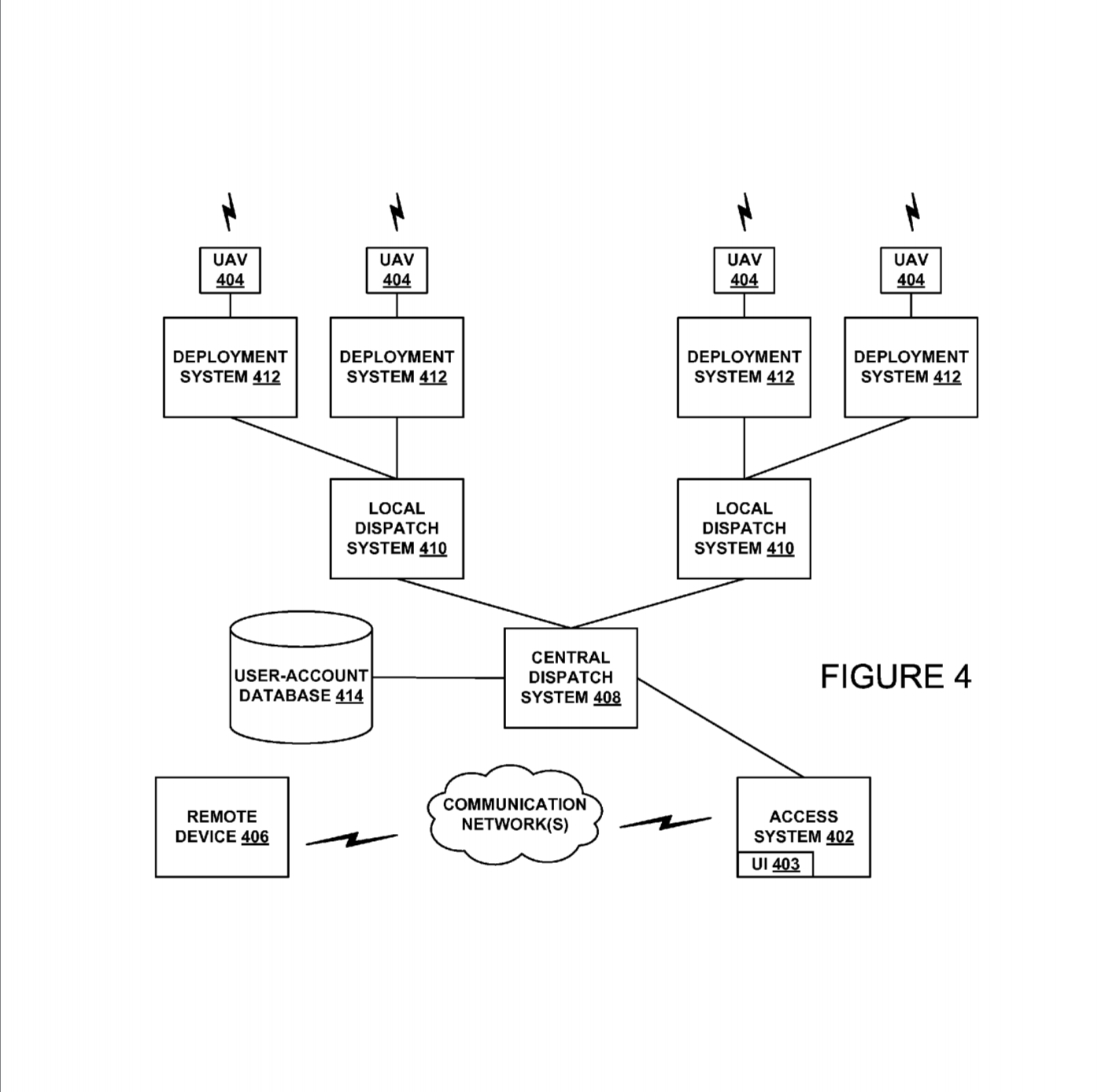
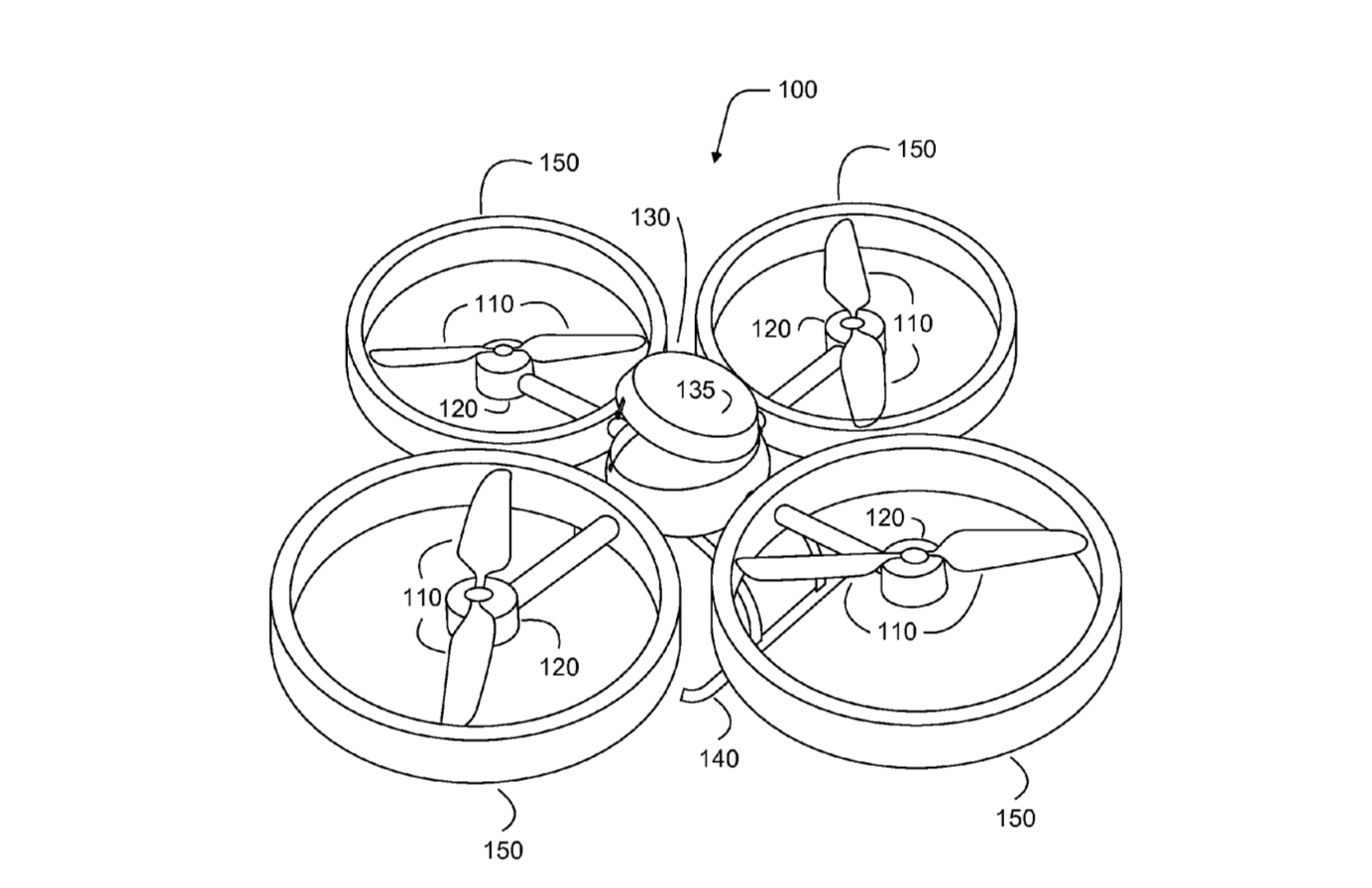
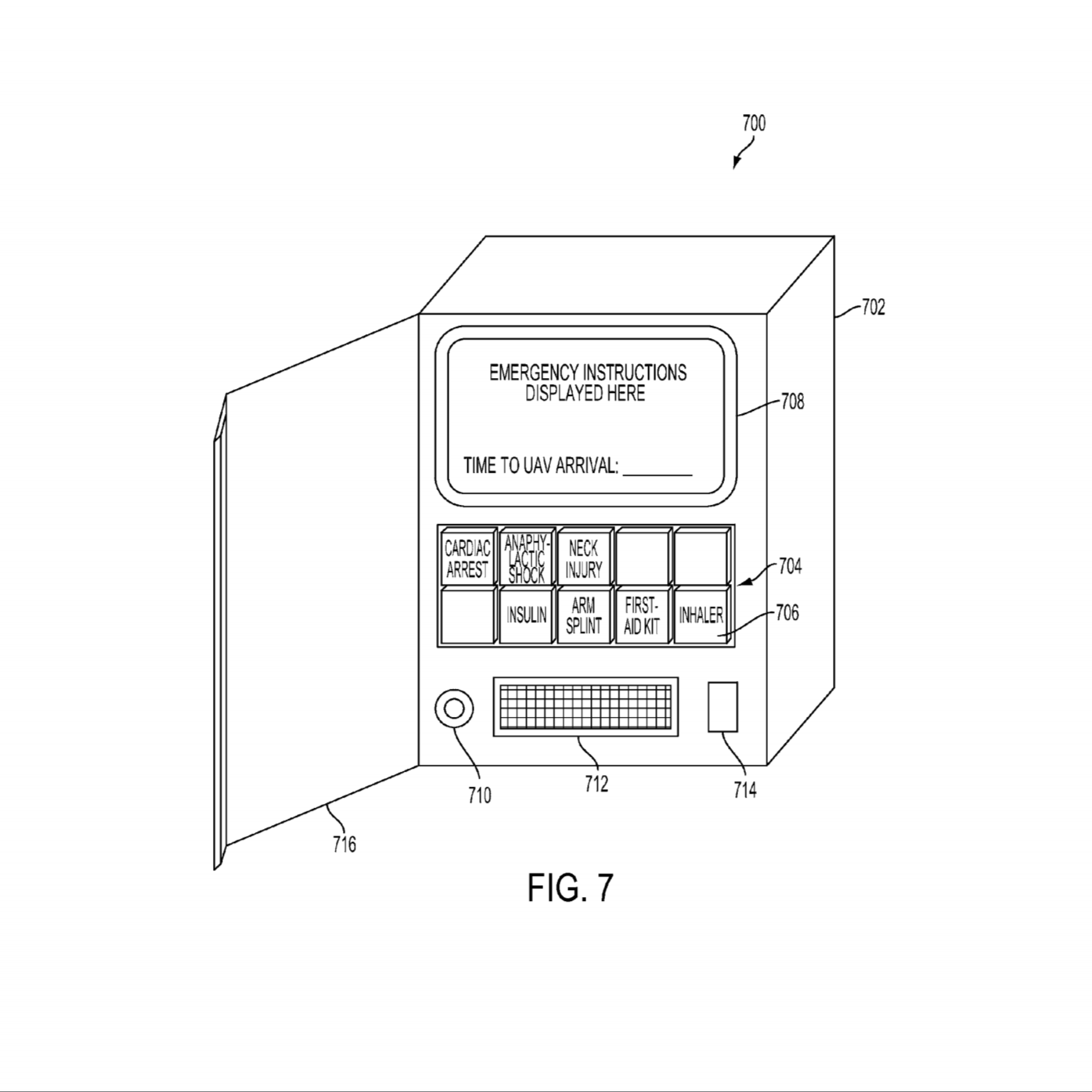
The patent describes the drone as having a housing with at least one interface configured to accept one or more inputs that are each indicative of a particular medical situation. The drone will be equipped with a control system configured to receive, via the interface, a first input that corresponds to a first type of medical situation in which a defibrillator is configured to provide medical support; and send via a first network interface to an access system for a network of drones via a support request. The drone would then deliver a defibrillator to the designated location associated with the unique electronic identifier assigned to the drone. 

By speeding up emergency response, healthcare providers can prevent potential deaths and accelerate patient treatment. An ambulance drone equipped with life saving technology such as an Automated External Defibrillator (AED), medication and Cardiopulmonary Resuscitation (CPR) aids could potentially revolutionize emergency medical response.

For example, if an ambulance took 10 minutes to reach a cardiac arrest patient, the chance of survival is only 8%. But the ambulance drone can get a defibrillator to a patient inside a five mile radius within a minute, increasing the chance of survival to 80%. The ambulance drone is equipped with two-way, video supported, communication channel between 112 operators and first responders will help improve first care. 

Here is a look at the patent diagrams:
 Google's New Patent: Drone-Assitsed Medical Aid Delivery Google's New Patent: Drone-Assitsed Medical Aid Delivery Google's New Patent: Drone-Assitsed Medical Aid Delivery Google's New Patent: Drone-Assitsed Medical Aid Delivery Google's New Patent: Drone-Assitsed Medical Aid Delivery

  • LinkedIn
  • Twitter
  • Facebook
  • Email
  • Print

Tagged With: Drone-Assitsed Medical Aid Delivery, google, Patents

Tap Native

Get in-depth healthcare technology analysis and commentary delivered straight to your email weekly

Reader Interactions

Primary Sidebar

Subscribe to HIT Consultant

Latest insightful articles delivered straight to your inbox weekly.

Submit a Tip or Pitch

2026 Predictions & Trends

Healthcare 2026 Forecast: Executives on AI Survival, Financial Reckoning, and the End of Point Solutions

2026 Healthcare Executive Predictions: Why the AI “Pilot Era” Is Officially Over

Most-Read

NYC Health + Hospitals to Acquire Maimonides in $2.2B Safety Net Overhaul

NYC Health + Hospitals to Acquire Maimonides in $2.2B Safety Net Overhaul

KLAS Report: Why Hospitals Are Choosing Efficiency Over 'Agentic' AI Hype in 2025

KLAS Report: Why Hospitals Are Choosing Efficiency Over ‘Agentic’ AI Hype in 2025

Advanced Primary Care 2026: Top 6 Investments for Health Systems According to Harvard Medical School

Advanced Primary Care 2026: Top 6 Investments for Health Systems According to Harvard Medical School

AI Nutrition Labels: The Key to Provider Adoption and Patient Trust?

AI Nutrition Labels: The Key to Provider Adoption and Patient Trust?

Kristen Hartsell, VP of Clinical Services, RedSail Technologies

The Pharmacy Closures Crisis: How Independent Pharmacies Are Fixing Pharmacy Deserts

HHS Launches 'OneHHS' AI Strategy to Integrate AI Across CDC, CMS, and FDA for Efficiency and Public Trust

HHS Launches ‘OneHHS’ AI Strategy to Integrate AI Across CDC, CMS, and FDA for Efficiency and Public Trust

From Overwhelmed to Optimized: How AI Agents Address Staffing Challenges and Burnout in Healthcare

From Overwhelmed to Optimized: How AI Agents Address Staffing Challenges and Burnout in Healthcare

The VBC Paradox: Why Hospitals Are Doubling Down on Value-Based Care While Revenue at Risk Lags

The VBC Paradox: Why Hospitals Are Doubling Down on Value-Based Care While Revenue at Risk Lags

Tebra Secures $250M to Challenge Legacy EHRs with AI-Powered Automation

Tebra Secures $250M to Challenge Legacy EHRs with AI-Powered Automation

AstraZeneca Selects Salesforce Agentforce Life Sciences to Deploy AI-Powered Global Customer Engagement

AstraZeneca Selects Salesforce Agentforce Life Sciences to Deploy AI-Powered Global Customer Engagement

Secondary Sidebar

Footer

Company

  • About Us
  • Advertise with Us
  • Reprints and Permissions
  • Op-Ed Submission Guidelines
  • Contact
  • Subscribe

Editorial Coverage

  • Opinion
  • Health IT
    • Care Coordination
    • EMR/EHR
    • Interoperability
    • Population Health Management
    • Revenue Cycle Management
  • Digital Health
    • Artificial Intelligence
    • Blockchain Tech
    • Precision Medicine
    • Telehealth
    • Wearables
  • Startups
  • Value-Based Care
    • Accountable Care
    • Medicare Advantage

Connect

Subscribe to HIT Consultant Media

Latest insightful articles delivered straight to your inbox weekly

Copyright © 2026. HIT Consultant Media. All Rights Reserved. Privacy Policy |