
What You Should Know
Optura, an enterprise healthcare platform, has announced a $17.5M Series A funding round led by Salesforce Ventures, bringing its total funding to over $25M.The platform introduces ROAI™ (Return on AI Investment), a discipline designed to help healthcare organizations objectively measure the business value and viability of AI initiatives.Despite the industry spending over $18B on AI this year, approximately 95% of enterprise GenAI pilots have failed to produce measurable
Read More
Artificial Intelligence in Healthcare | News, Analysis, Insights - HIT Consultant
Shyld AI Secures $13.4M to Scale Agentic AI and Autonomous Disinfection Across U.S. Health Systems
What You Should Know
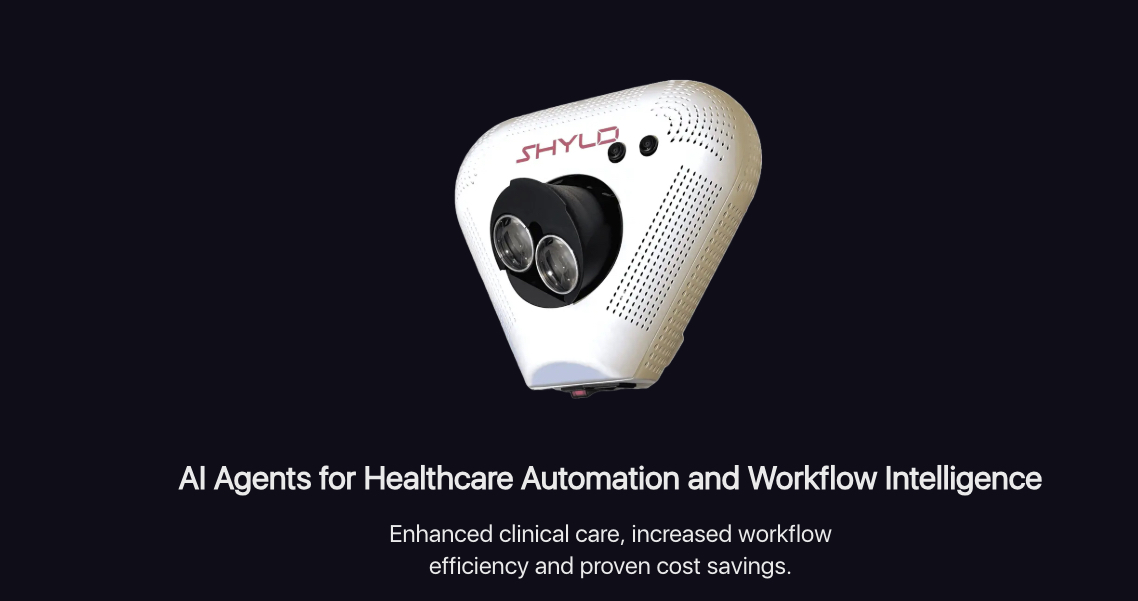
Shyld AI has closed a $13.4M seed round led by Aulis Capital, marking one of the largest early-stage rounds in the healthcare AI sector.The company is moving beyond "passive" ambient AI to Active Intelligence, deploying Agentic AI systems that take real-time action inside physical hospital environments.Flagship Technology: The system combines AI with UV-C light technology to autonomously disinfect rooms; a Stanford University study found it reduced contamination by more
Read More
Chromie Health Raises $2M to Automate Hospital Operations via AI Agent “Dispatch”
What You Should Know
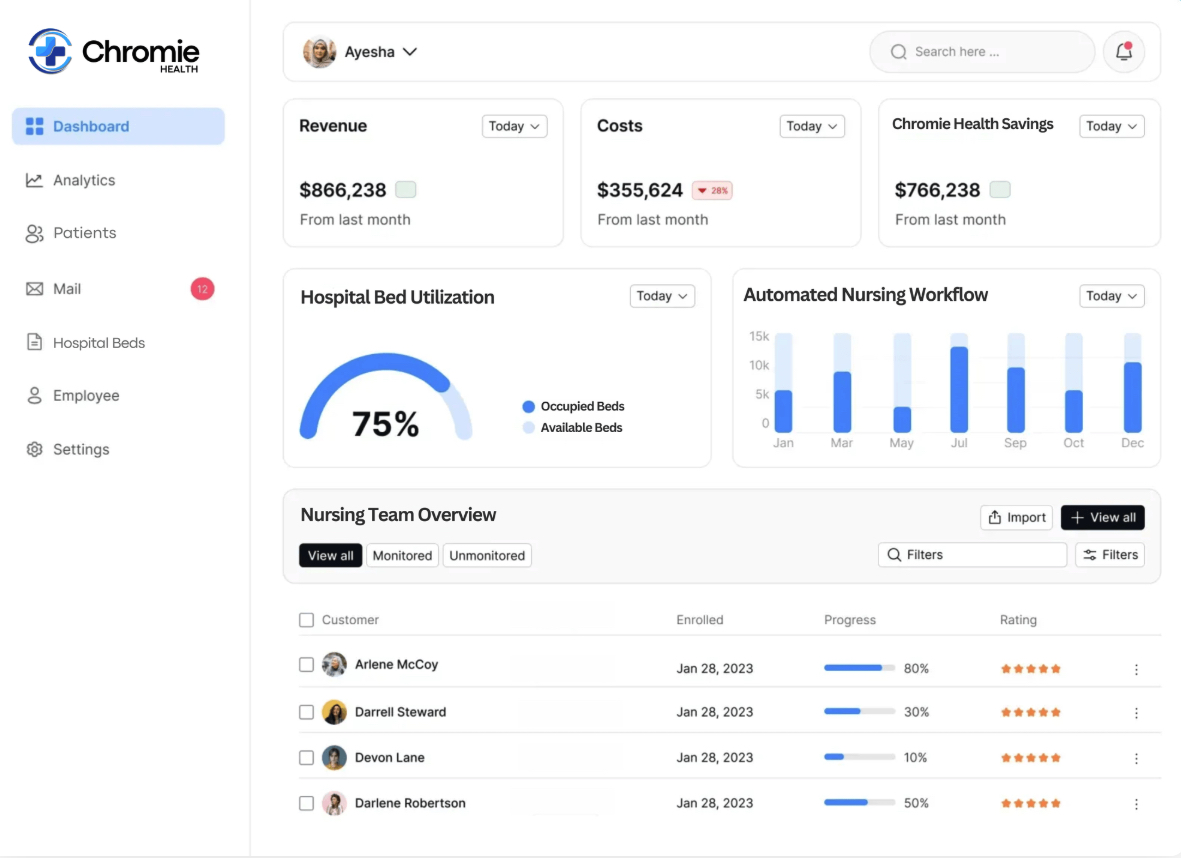
Chromie Health, a provider of AI-powered hospital management tools, has closed a $2M pre-seed round led by AIX Ventures.The company has launched Chromie Dispatch, an SMS-native AI agent that fills internal nursing shift gaps in under five minutes—a process that typically takes five hours manually.There is currently a waitlist of 750 hospitals seeking to implement the platform.Chronic nursing shortages and turnover are estimated to cost the U.S. healthcare system more than
Read More
Carrot Fertility Expands Sprints AI Metabolic Program to Perimenopause and Menopause Care

What You Should Know
Carrot Fertility has expanded Sprints, its AI-native metabolic health program, to support women from perimenopause through post-menopause.The program addresses the metabolic disruptions caused by menopause, including shifts in insulin resistance, visceral fat, cholesterol, and blood pressure.The Education Gap: Over 80% of women do not feel informed about menopause support, while only 20% of OB-GYNs receive formal menopause training.AI-Native Personalization: Powered by
Read More
9amHealth Raises $26M to Expand AI-Driven Virtual Specialty Care for Chronic Conditions
What You Should Know
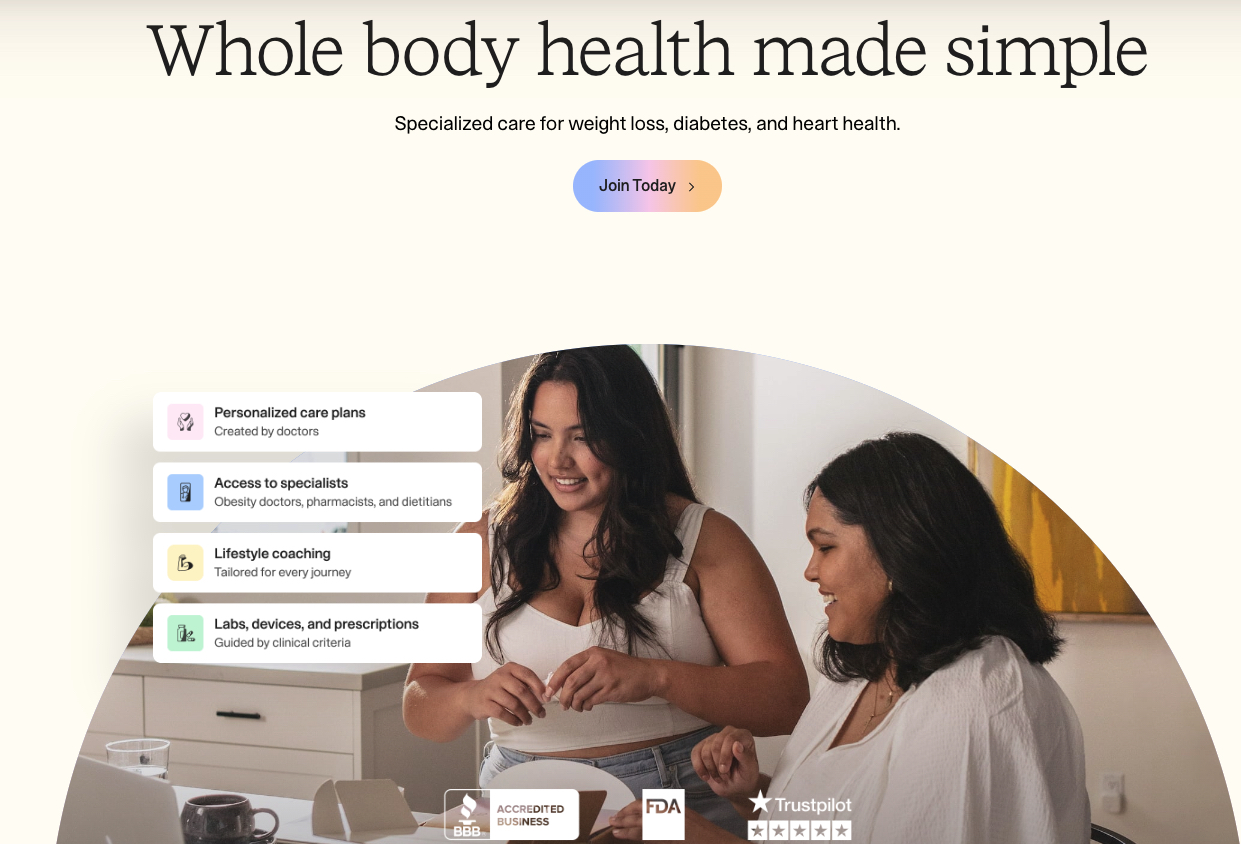
9amHealth has secured $26M in Series B funding led by Define Ventures, bringing new participation from SemperVirens, Catalio Capital Management, and NewHealth Ventures.The platform has demonstrated over $50 million in projected medical and pharmacy savings across two Fortune 100 employers.The expansion targets chronic conditions that account for up to 70% of employer pharmacy spend, moving beyond its initial focus on cardiometabolic care.The company’s integrated model
Read More
Included Health Launches Provider Connect AI Assistant for High-Quality Physician Matching

What You Should Know
Included Health has launched Provider Connect, a healthcare experience that combines real-time member context with quality and cost data to guide members toward high-quality, in-network providers.The platform is embedded within Dot, Included Health’s AI assistant, allowing members to use natural language to find doctors, view out-of-pocket estimates, and book appointments.The system is powered by 45 billion clinical and cost data points from 140 million patients and over
Read More
Evolution Devices Announces First Multi-Site Clinical Sale of EvoWalk to Sheltering Arms Institute

What You Should Know
Evolution Devices has secured its first multi-location clinical sale of EvoWalk, a next-generation mobility solution, to the Sheltering Arms Institute.The EvoWalk system is a wearable device worn below the knee that delivers multi-muscle functional electrical stimulation (FES) to restore natural walking patterns in patients with neurological impairments.Integrated AI-driven data capture monitors patient metrics including step count, gait speed, and cadence to inform
Read More
Basata Secures $21M to Rebuild Healthcare’s Operational Layer: Automating Referrals and Scheduling End-to-End
What You Should Know
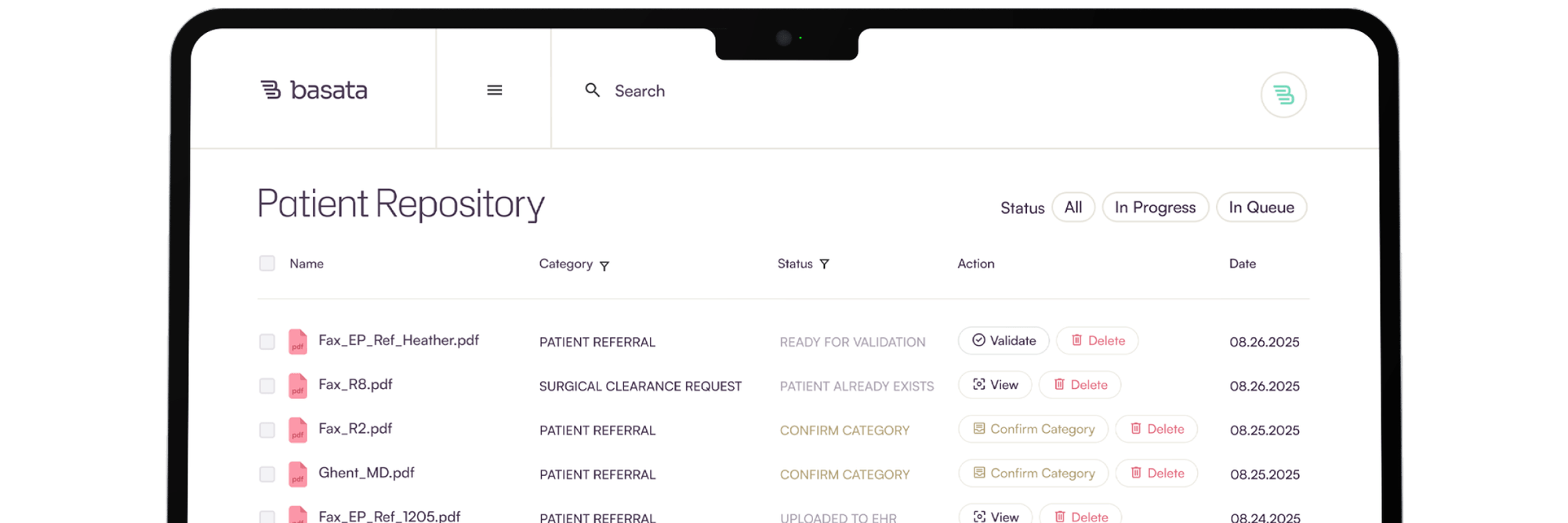
Basata, an AI company focused on healthcare operations, has announced a $21M Series A funding round led by Basis Set Ventures.The platform uses specialty-specific AI agents to automate administrative tasks such as faxes, referrals, patient intake, and scheduling.Practices using Basata report processing 100% of incoming referrals the same day and unlocking 50% more administrative labor capacity.To date, the company has served more than 500,000 patients, with 100,000 served
Read More
Mid-Cycle Revenue Integrity: Leveraging Clinician-Governed AI to Reduce Denials and Understated Acuity

Health systems can deliver appropriate, high-quality care and still see financial and quality outcomes that do not reflect that care. Downgrades, understated acuity, and misaligned quality metrics often arise not because clinical decisions were wrong, but because the full complexity of those decisions and the resulting care were never clearly translated beyond the bedside. In today’s reimbursement environment, outcomes are shaped as much by how care is represented in documentation and coding as
Read More
Artera Launches AI Services Model and Agentic AI Squads for Specialty Care and FQHCs
What You Should Know
Artera is the first agentic healthcare company to adopt an AI Services Model, moving away from traditional "homogeneous SaaS" to deliver bespoke, clinic-specific solutions.The company has deployed specialized AI Service Squads—small teams of AI builders who work directly with healthcare providers to co-innovate and eliminate legacy development cycles.The model supports high-demand solutions, including scheduling, prior authorizations, referral management, and closing care
Read More
