
What You Should Know
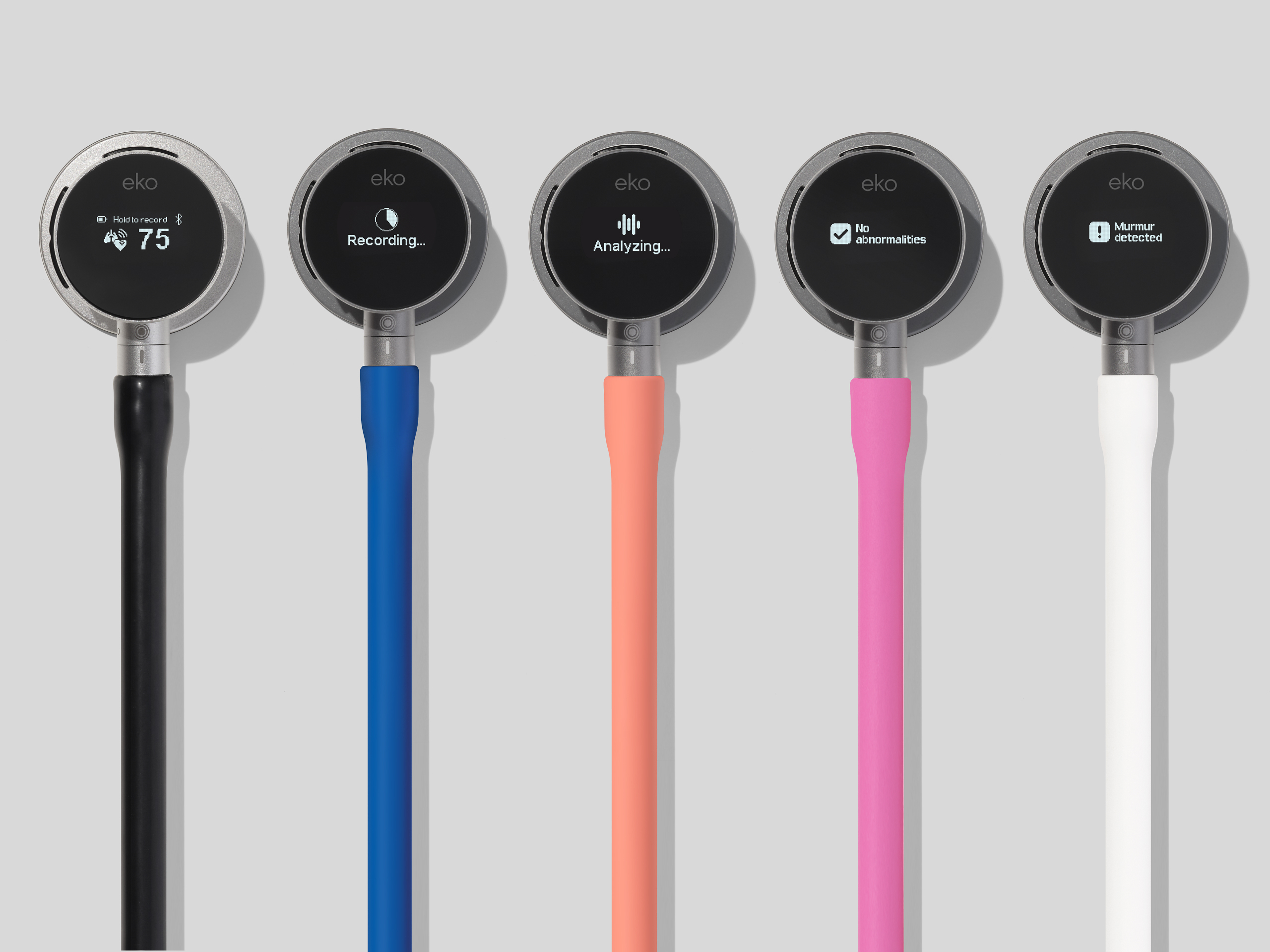
Digital health and cardiovascular AI innovator Eko Health, the U.S. Food and Drug Administration (FDA) 510(k) clearance and commercial rollout of CORE 300, an AI-enabled stethoscope designed for pediatric and adult populations.Introduces a dual-mode hardware innovation: CORE 300 is the first stethoscope to integrate traditional analog acoustic listening and advanced digital listening modes directly within a single chestpiece, allowing clinicians to toggle between acoustic
Read More
Digital Health | News, Analysis, Insights - HIT Consultant
Redesign Health Merges with Sheba Medical Center’s ARC Global and Agrees to Acquire AVIA

What You Should Know
Healthcare company-creation platform Redesign Health and ARC Global, the healthcare transformation engine established at Israel’s Sheba Medical Center, announced a definitive merger.Concurrently, the combined enterprise has agreed to acquire AVIA, the leading U.S. health system digital transformation advisory network (subject to final regulatory approvals).The combined conglomerate unifies more than 100 health systems spanning five continents, creating an end-to-end
Read More
Withings and Function Partner to Fuse 160+ Biomarkers with Daily Home Biometrics
What You Should Know
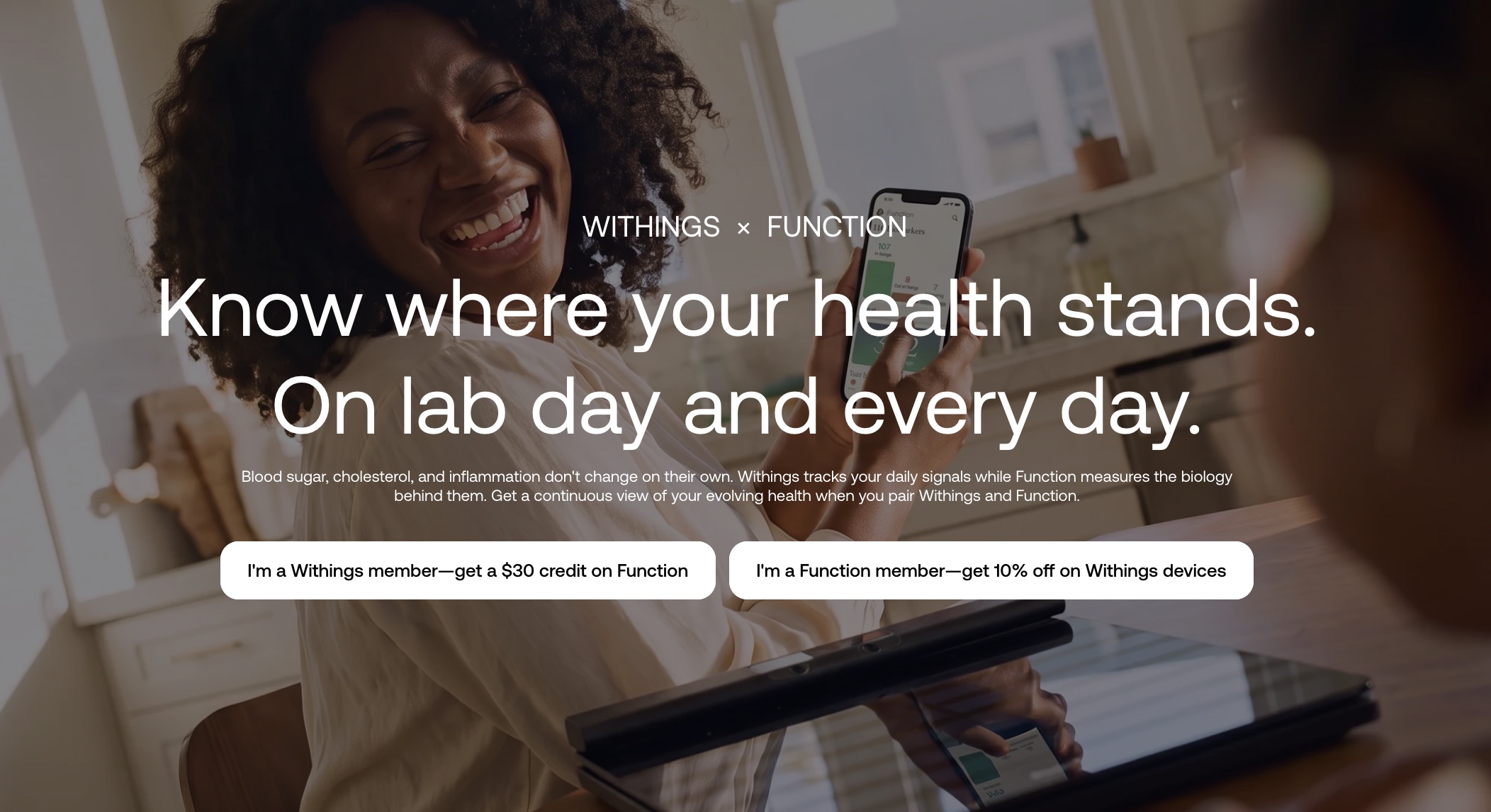
Connected health hardware pioneer Withings and comprehensive diagnostic platform Function announced an enterprise integration, creating a bi-directional data bridge connecting continuous daily physiological telemetry with longitudinal clinical lab testing.The technical bridge allows Withings daily metrics—spanning body composition, segmental muscle mass, visceral fat, blood pressure, and sleep staging—to sync automatically into the Function app. In turn, Function’s
Read More
WebMD Ignite Ruby Launches Agentic AI Growth Ecosystem Across 2.7B Clinical Encounters

What You Should Know
Healthcare growth and engagement partner WebMD Ignite (a division of WebMD and Internet Brands) announced the launch of WebMD Ignite Ruby, an agentic AI growth ecosystem engineered specifically for acute health systems, academic medical centers, and healthcare provider organizations.Directly addresses the changing operational profile of healthcare marketing, where marketing leaders project the proportion of work automated by artificial intelligence will more than double
Read More
b.well and MyDirectives Connect Advance Directives to Daily Consumer Health Records

What You Should Know
Consumer health data integration platform b.well Connected Health and digital advance care planning (ACP) leader MyDirectives announced an enterprise partnership to integrate advance care planning documents directly alongside longitudinal medical records.Represents a major milestone in health data rights: b.well serves as the first consumer-facing organization to integrate directly with MyDirectives’ nationwide registry for a direct patient access use case, expanding
Read More
Kindbody and Babyscripts Team Up to Eliminate Point-Solution Fatigue in Maternity Benefits

What You Should Know
Virtual obstetric care pioneer Babyscripts and employer family-building benefits platform Kindbody announced a strategic partnership to launch KindPregnancy, a Kindbody-branded digital maternity offering powered by Babyscripts’ clinical technology stack.Directly addresses the fragmented "cliff" in reproductive health benefits: while employers historically purchased standalone fertility carve-outs (IVF, IUI, egg freezing) that abruptly ended upon conception, KindPregnancy
Read More
Elucid Scores FDA Clearance for FFR-IQ to Unify Plaque Biology and Hemodynamics
What You Should Know
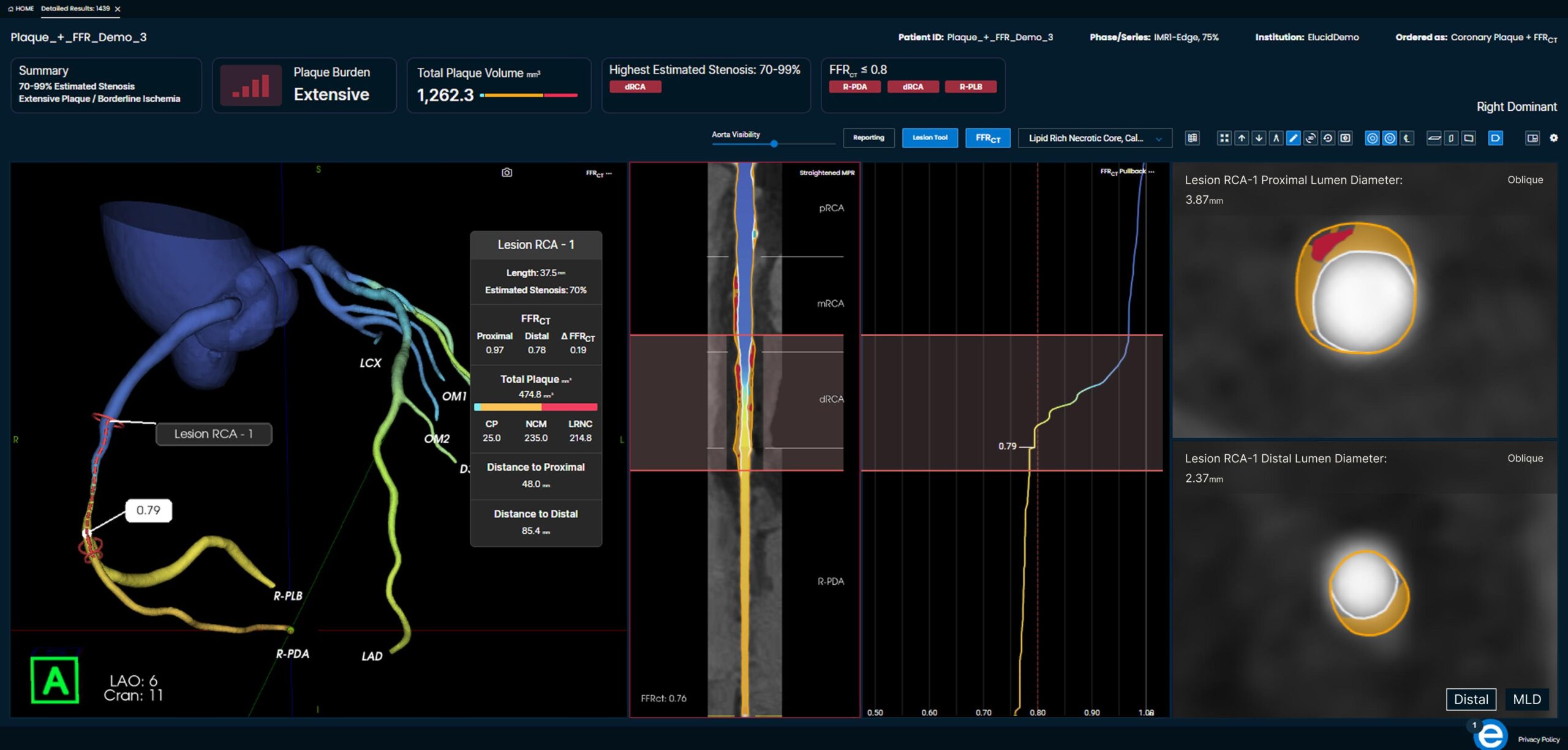
Cardiovascular imaging AI innovator Elucid has received U.S. FDA 510(k) clearance (K262015, authorized September 29, 2026) for FFR-IQ™, its software for the non-invasive estimation of fractional flow reserve derived from coronary computed tomography angiography (CCTA).Introduces BioIntegrated FFR-CT: a computational modeling approach that integrates coronary vascular anatomy, plaque tissue morphology, and vascular biology directly into hemodynamic estimations, departing
Read More
Baba Raises $40M to Expand Medicare Applied AI Platform, Debuts BabaBench

What You Should Know
Applied artificial intelligence and healthcare navigation company Baba secures $40M in Series A financing led by FirstMark Capital with participation from CVS Health Ventures and value-based healthcare specialist Valtruis, alongside returning venture investors General Catalyst, Genius Ventures, and Ground Up Ventures.Introduces BabaBench (published on arXiv and accepted to an upcoming NeurIPS workshop): a specialized AI benchmark designed to evaluate how frontier
Read More
Zoom Embeds Clinical Notes Across Meetings, Phone, and In-Person Visits

What You Should Know
Video communications and collaboration infrastructure leader Zoom announced at Zoomtopia 2026, the rollout of enhanced Zoom Clinical Notes, an ambient clinical documentation solution powered by Zoom AI designed to convert clinical encounters into structured medical notes across in-person, video, and telephone visits.Directly addresses "point-solution fatigue" and workflow friction: unlike standalone third-party AI scribes that require separate app windows, separate
Read More
Allswell Secures $7M to Build an Insurance-Backed Medical Home for LGBTQ+ Health

What You Should Know
Specialized digital behavioral health platform Allswell raises a $7M seed financing round led by Rethink Impact, the largest U.S. venture capital firm focused on female-led technology companies and an early institutional backer of Spring Health.The syndicate includes new institutional participation from Magnify Ventures, Ulu Ventures, and Hopelab Ventures, alongside existing investors Techstars and Amboy Street Ventures (who led a previous $1.3M pre-seed), bringing
Read More
