
• Skip to main content
  • Skip to secondary menu
  • Skip to primary sidebar
  • Skip to secondary sidebar
  • Skip to footer

  • Opinion
  • Health IT
    • Behavioral Health
    • Care Coordination
    • EMR/EHR
    • Interoperability
    • Patient Engagement
    • Population Health Management
    • Revenue Cycle Management
    • Social Determinants of Health
  • Digital Health
    • AI
    • Blockchain
    • Precision Medicine
    • Telehealth
    • Wearables
  • Life Sciences
  • Investments
  • M&A
  • Value-based Care
    • Accountable Care (ACOs)
    • Medicare Advantage

Vital Raises $15M to Expand AI-Powered Emergency Department Platform

by Fred Pennic 09/29/2021 Leave a Comment

  • LinkedIn
  • Twitter
  • Facebook
  • Email
  • Print

What You Should Know:

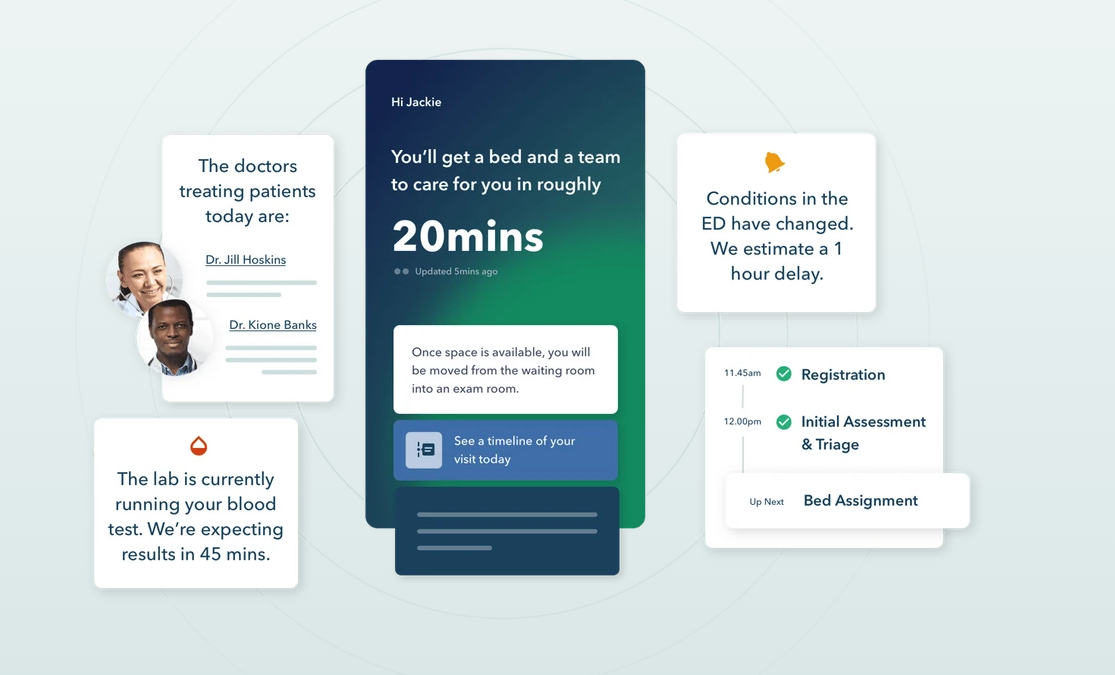
– Vital, an Atlanta-based artificial intelligence (AI)-powered solution improving patient experience and follow-up visit loyalty in hospital emergency departments (ED) and into inpatient stays, has secured $15M in Series A funding led by Transformation Capital, with a strategic health system joining the round alongside existing investors First Round Capital and Threshold Ventures. Vital’s new ERAdvisor application gives patients and their caregivers in the ED real-time, mobile updates about wait times, lab statuses, and next steps for a more streamlined patient experience and improved care coordination.

– Launched in 2019 and co-founded by the creator of Mint.com, Aaron Patzer, and Emergency Medicine Physician at Emory Healthcare, Justin Schrager, Vital is now used in more than 80 hospitals across 15 healthcare systems nationwide, including CommonSpirit Health and Emory Healthcare.

– With this new round of funding, Vital will expand its team and both broaden and deepen the impact its technology has on patients, healthcare providers, and EDs across the United States. The service is on track to serve one million patients and caregivers by the end of this year.

Improve Patient Health in Hospital Emergency Rooms

Vital is HIPAA-compliant, cloud-based software that adds a layer of user experience (UX) and AI to any existing electronic health record system (EHR) to provide a clear view of patients’ status, predicting wait times for each step of the process. It indicates where workflow is bottlenecked across the ED. Its mobile no-download required web app helps patients feel more in control of their visit with automatic and detailed updates, and the ability to share their progress with trusted friends and family. In some emergency departments throughout the country, ER wait times can be upwards of 50 hours, causing patient dissatisfaction and delayed medical attention. With Vital’s services, patients and caregivers can get up-to-date information on wait times, triage care, and next steps all through the power of AI technology while avoiding the frustration of traditional Emergency Department visits.

Focusing on Care: More Human Connection and Increased Clarity 

Vital offloads much of the repetitive work required from clinicians, leading to more time for patients.

– More Human Connection: Vital interprets signals in the EHR and communicates with patients and their family the way doctors and nurses would – if they had the time.

– What’s Happening and What’s Next: Vital walks patients through common questions – What is a CT scan? How long will I be in the waiting room? What lab results are still needed for a decision? – letting clinicians focus on care.

– Easy Adoption: Vital has seen 50-60% patient adoption when a mobile phone number is taken at registration, including strong adoption among seniors.

For patients and caregivers, ERAdvisor helps keep patients informed and in control:

– Text-Based Updates: Provides real-time content and text message updates to patients and their caregivers through their smartphones.

– Individual Attention: ERAdvisor sends personalized information on wait times, next steps, progress on labs and imaging, information about care teams, and is tailored for each patient’s journey and language.

– Secure Sharing in and Beyond the ED: Patients can securely give family members or caregivers progress updates without revealing any health data.

– Less Stress, More Satisfaction: Knowing what’s coming reduces patient and family distress, and improves patient satisfaction.

  • LinkedIn
  • Twitter
  • Facebook
  • Email
  • Print

Tagged With: AI, Artificial Intelligence, Care Coordination, Vital

Tap Native

Get in-depth healthcare technology analysis and commentary delivered straight to your email weekly

Reader Interactions

Primary Sidebar

Subscribe to HIT Consultant

Latest insightful articles delivered straight to your inbox weekly.

Submit a Tip or Pitch

2026 Predictions & Trends

Healthcare 2026 Forecast: Executives on AI Survival, Financial Reckoning, and the End of Point Solutions

2026 Healthcare Executive Predictions: Why the AI “Pilot Era” Is Officially Over

Most-Read

NYC Health + Hospitals to Acquire Maimonides in $2.2B Safety Net Overhaul

NYC Health + Hospitals to Acquire Maimonides in $2.2B Safety Net Overhaul

KLAS Report: Why Hospitals Are Choosing Efficiency Over 'Agentic' AI Hype in 2025

KLAS Report: Why Hospitals Are Choosing Efficiency Over ‘Agentic’ AI Hype in 2025

Advanced Primary Care 2026: Top 6 Investments for Health Systems According to Harvard Medical School

Advanced Primary Care 2026: Top 6 Investments for Health Systems According to Harvard Medical School

AI Nutrition Labels: The Key to Provider Adoption and Patient Trust?

AI Nutrition Labels: The Key to Provider Adoption and Patient Trust?

Kristen Hartsell, VP of Clinical Services, RedSail Technologies

The Pharmacy Closures Crisis: How Independent Pharmacies Are Fixing Pharmacy Deserts

HHS Launches 'OneHHS' AI Strategy to Integrate AI Across CDC, CMS, and FDA for Efficiency and Public Trust

HHS Launches ‘OneHHS’ AI Strategy to Integrate AI Across CDC, CMS, and FDA for Efficiency and Public Trust

From Overwhelmed to Optimized: How AI Agents Address Staffing Challenges and Burnout in Healthcare

From Overwhelmed to Optimized: How AI Agents Address Staffing Challenges and Burnout in Healthcare

The VBC Paradox: Why Hospitals Are Doubling Down on Value-Based Care While Revenue at Risk Lags

The VBC Paradox: Why Hospitals Are Doubling Down on Value-Based Care While Revenue at Risk Lags

Tebra Secures $250M to Challenge Legacy EHRs with AI-Powered Automation

Tebra Secures $250M to Challenge Legacy EHRs with AI-Powered Automation

AstraZeneca Selects Salesforce Agentforce Life Sciences to Deploy AI-Powered Global Customer Engagement

AstraZeneca Selects Salesforce Agentforce Life Sciences to Deploy AI-Powered Global Customer Engagement

Secondary Sidebar

Footer

Company

  • About Us
  • Advertise with Us
  • Reprints and Permissions
  • Op-Ed Submission Guidelines
  • Contact
  • Subscribe

Editorial Coverage

  • Opinion
  • Health IT
    • Care Coordination
    • EMR/EHR
    • Interoperability
    • Population Health Management
    • Revenue Cycle Management
  • Digital Health
    • Artificial Intelligence
    • Blockchain Tech
    • Precision Medicine
    • Telehealth
    • Wearables
  • Startups
  • Value-Based Care
    • Accountable Care
    • Medicare Advantage

Connect

Subscribe to HIT Consultant Media

Latest insightful articles delivered straight to your inbox weekly

Copyright © 2026. HIT Consultant Media. All Rights Reserved. Privacy Policy |