

• Skip to main content
  • Skip to secondary menu
  • Skip to primary sidebar
  • Skip to secondary sidebar
  • Skip to footer

  • Opinion
  • Health IT
    • Behavioral Health
    • Care Coordination
    • EMR/EHR
    • Interoperability
    • Patient Engagement
    • Population Health Management
    • Revenue Cycle Management
    • Social Determinants of Health
  • Digital Health
    • AI
    • Blockchain
    • Precision Medicine
    • Telehealth
    • Wearables
  • Life Sciences
  • Investments
  • M&A
  • Value-based Care
    • Accountable Care (ACOs)
    • Medicare Advantage

Walgreens/Scripps Study: Automated Health Tracking Can Improve Long-Term Health Engagement

by Fred Pennic 12/12/2016 Leave a Comment

  • LinkedIn
  • Twitter
  • Facebook
  • Email
  • Print

Automated health tracking

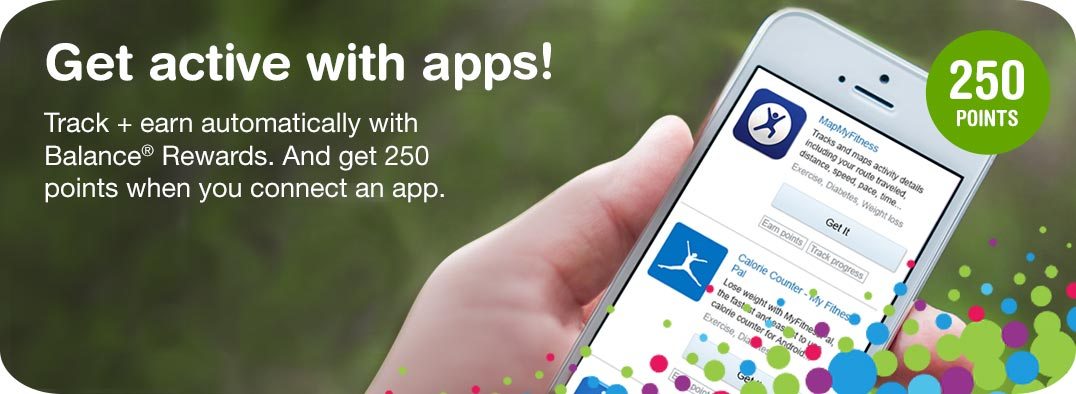
Automated health tracking through connected health devices and apps can significantly improve long-term health engagement, according the latest findings from a collaborative study with Walgreens and the Scripps Translational Science Institute (STSI). The study explored the impact of manual versus automatic data entries through a supported device or via apps by examining utilization patterns of participants in Walgreens Balance Rewards for healthy choices (BRhc). The BRhc is a leading self-monitoring program that allows members to track health activities and receive incentives for continued tracking and healthy behaviors.

Research Study Details

The study recently published in the Journal of Medical Internet Research examined activity tracking data – including exercise, weight, sleep, blood pressure, blood glucose data recorded, tobacco use and oxygen saturation – from more than 450,000 BRhc members in 2014. After identifying users with sufficient follow-up data, the study explored trends in participation over time.

Key findings of the study finds that 77 percent of users manually recorded their activities and participated in the program for an average of five weeks. However, users who entered activities automatically using the BRhc supported devices or apps remained engaged four times longer and averaged 20 weeks of participation.

This research was supported in part by the National Institutes of Health (NIH)/National Center for Advancing Translational Sciences through a grant UL1TR001114, and a grant from the Qualcomm Foundation.

“This is the first chapter of a remarkable collaboration with Walgreens, enabling us to understand real world connectivity with mobile device health applications, along with behavior and outcome patterns, in an exceptionally large and diverse cohort,” said Eric Topol, MD, director, STSI in a statement.

  • LinkedIn
  • Twitter
  • Facebook
  • Email
  • Print

Tap Native

Get in-depth healthcare technology analysis and commentary delivered straight to your email weekly

Reader Interactions

Primary Sidebar

Subscribe to HIT Consultant

Latest insightful articles delivered straight to your inbox weekly.

Submit a Tip or Pitch

Featured Insights

Aligning IT & Clinical Teams: How to Reduce Friction and Improve Communication

Most-Read

KLAS 2026 EHR Market Share Report: Epic Gains as Oracle Health Faces Third Year of Losses

KLAS 2026 EHR Market Share Report: Epic Gains as Oracle Health Faces Third Year of Losses

Aidoc Secures $150M to Accelerate Enterprise-Scale Clinical AI Across 2,000 Hospitals

OpenAI Launches ChatGPT for Clinicians: Free AI Documentation and Research Tool for Verified Physicians

OpenAI Launches ChatGPT for Clinicians: Free AI Documentation and Research Tool for Verified Physicians

IKS Health Acquires TruBridge for Rural EHR and RCM Solutions Expansion

IKS Health Acquires TruBridge for Rural EHR and RCM Solutions Expansion

UT Austin is Building the Nation's First 'AI-Native' Hospital, Backed by $750M

Why UT Austin is Building an ‘AI-Native’ Hospital from Scratch

The Medtech Pitch Deck Casino: Why Hype Still Wins, and How Scrutiny Could Improve Everyone’s Odds

The Casino Model: Why Medtech VCs Are Betting Billions on Unproven AI

Oracle Lays Off 539 Kansas City Employees as Focus Shifts to AI Data Centers

Oracle Lays Off 539 Kansas City Employees as Focus Shifts to AI Data Centers

SAMHSA and ONC Invest $20M in Behavioral Health IT Initiative

HHS Reverses 2024 Tech Reorganization: Why HHS Just Stripped AI and Cyber Operations Out of the ONC

How Small Medical Practices Can Build HIPAA-Aligned DevSecOps Without Enterprise Budgets

How Small Medical Practices Can Build HIPAA-Aligned DevSecOps Without Enterprise Budgets

Insilico Medicine and Eli Lilly Form $2.75B AI Drug Discovery Collaboration

Insilico Medicine and Eli Lilly Form $2.75B AI Drug Discovery Collaboration

Secondary Sidebar

Footer

Company

  • About Us
  • 2026 Editorial Calendar
  • Advertise with Us
  • Reprints and Permissions
  • Op-Ed Submission Guidelines
  • Contact
  • Subscribe

Editorial Coverage

  • Opinion
  • Health IT
    • Care Coordination
    • EMR/EHR
    • Interoperability
    • Population Health Management
    • Revenue Cycle Management
  • Digital Health
    • Artificial Intelligence
    • Blockchain Tech
    • Precision Medicine
    • Telehealth
    • Wearables
  • Startups
  • Value-Based Care
    • Accountable Care
    • Medicare Advantage

Connect

Subscribe to HIT Consultant Media

Latest insightful articles delivered straight to your inbox weekly

Copyright © 2026. HIT Consultant Media. All Rights Reserved. Privacy Policy |