

Editor’s Note: This post is sponsored by Samsung.
With the first of our highly independent Baby Boomers entering into their 70s, home-based healthcare will undoubtedly become a high-growth segment. Because this ever-growing population now prefers to stay in its home longer, providers now need to figure out how to bring healthcare to them. Utilizing mobile devices that most of us already use is the most effective method for doing so. For even the most stubborn technology stragglers, today’s mobile devices should be recognized as indispensable tools in home healthcare. They are easy to use, provides round-the-clock monitoring (on the provider and patient end) and reduces the need for doctor office visits.
Mobile Devices Are Easy to Use
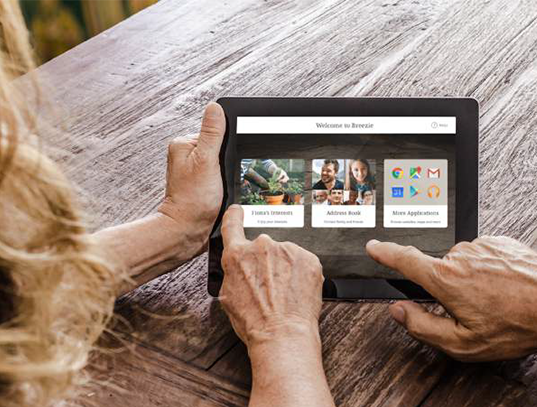
Mobile devices are both hand held computers and telephones, allowing for owners to make a phone call and use it to document patient notes. They are portable, lightweight and often times have larger screens and buttons to make it easier to view images or read documents and input data. Most mobile devices are also now touch screens or equipped with digital pens for convenient note taking. They are battery charged, which means they don’t have to be plugged in to be used. Designed properly, mobile devices and wearables can be easy for seniors or fragile patients to read, use or wear.
Can Provide Remote Patient Monitoring
The use of mobile devices allows for wireless communication of real-time data from remote employees out at a job. Caregivers can relay relevant patient history notes and transmit this information to the doctors and staff. The ability to use mobile devices in remote patient monitoring also gives us access to patients 24/7. Use assisted living as an example: Caregivers and hospital staff can track a patient’s location and motion and issue an alert if he/she stops moving or if a dementia patient walks outside of predetermined boundaries. Monitoring patients from home can help the elderly live independently in their own home for a longer period of time while drastically improving the quality of caregiver decision-making.
Reduces the Needs for Doctor Visits
Instead of having to leave the home to go to a doctor to get diagnosed on an ailment, home caregivers can conveniently access up-to-date data on their mobile devices. Traditional medical references and tools, such as drug guides, medical calculators and patient symptom guides, have been translated into readily available mobile apps for easy access and caregivers to pull up immediately at an appointment. An example of how mobile devices can reduce a trip to the doctor is those patients with chronic diseases. Chronic disease management can be maintained at home with proper instruction and regular visits from home healthcare staff. Specially designed mobile monitors and meters can transmit blood pressure, glucose levels, heart rate and oxygen levels to a patient’s care team at the hospital or clinic, which will help the staff oversee conditions such as cardiac disease, asthma, diabetes and high blood pressure.
Similar conditions can also be monitored after returning home from an extended hospital stay. Mobile devices can help track physical therapy and rehab activity. Early detection of problems enables quick intervention and reduces hospital readmission rates. Using mobile devices in home healthcare also gives staff the ability to access and view patients’ CT scans, x-rays, and MRIs without having to be in-house. While at a job, caregivers can also consult with other clinicians or staff in real time since mobile devices now have high-resolution cameras, microphones and sound. A caregiver can upload photos of the patient’s current medical condition, share it with staff and obtain immediate feedback and advice. Mobile videoconferencing is also an option for caregivers who need help from relevant experts.
Since the Affordable Care Act has passed, this has resulted in more insured capable of affording in-home care. This is where technology steps in and can be a bridge to this population and care providers through the use of mobile devices. Wireless technology should be viewed as another major force for change in home healthcare. Providers can now harness the power of smartphones, tablets and wearables to better manage mobile employees, decrease administrative paperwork, comply with regulations and ultimately increase the quality of patient care.
For more content like this, follow Samsung on Insights, Twitter, LinkedIn, YouTube and SlideShare.
