
What You Should Know
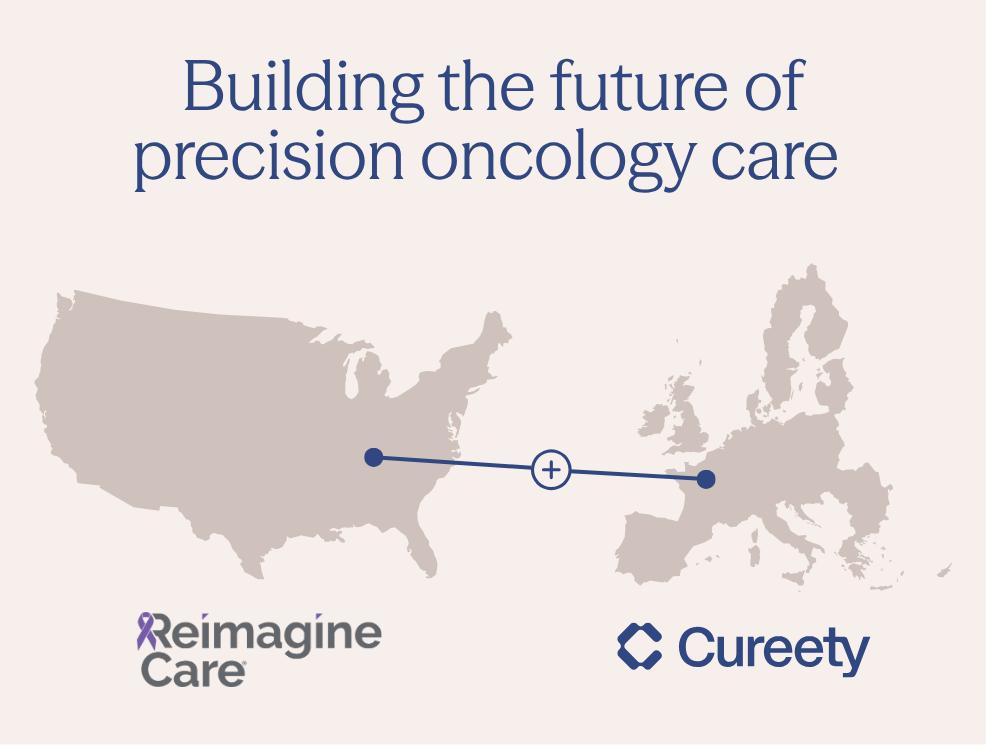
- Paris-based precision oncology company Cureety has acquired Nashville-based Reimagine Care, uniting therapy-specific remote clinical intelligence with conversational AI patient engagement and specialized human care teams.
- The combined entity operates as a profitable organization serving more than 250 cancer centers and 100,000 patients across five countries, with a joint workforce of approximately 150 employees.
- Integrates Reimagine Care’s conversational AI platform, Remi, alongside 24/7 oncology-trained clinical staff to resolve routine patient inquiries virtually and escalate complex symptoms directly to human care teams.
- Embeds Cureety’s specialized software algorithms to differentiate expected cancer treatment side effects from acute toxicities, factoring in tumor type, regimen specifics, and individual baseline risk.
Unite Therapy-Specific Triage and AI Virtual Oncology
Cancer treatments have advanced rapidly toward molecular precision with the rise of antibody-drug conjugates, bispecific antibodies, and CAR-T cell therapies. Yet the care delivery model wrapping around those treatments remains largely episodic: patients receive complex, highly toxic regimens in the clinic, only to return home where early signs of cytokine release syndrome, immune effector cell-associated neurotoxicity, or severe infection are tracked via sporadic phone calls or left unmonitored until an emergency room visit becomes inevitable.
To establish continuous clinical monitoring between outpatient infusions, Paris-based precision oncology platform Cureety has acquired Nashville-based Reimagine Care. The transaction creates an immediately profitable digital oncology organization supporting more than 250 cancer centers and 100,000 patients across five countries, staffed by a combined team of roughly 150 personnel. Financial terms were not disclosed.
Pairing Therapy-Specific Triage with AI Virtual Care Teams
The acquisition brings together two complementary layers of oncology care delivery: Cureety’s algorithmic clinical triage software and Reimagine Care’s conversational AI and virtual clinical capacity.
Cureety’s software engine tailors patient symptom tracking directly to specific therapeutic regimens, tumor profiles, and baseline comorbidities. By contextualizing reported side effects against the known toxicity profile of an active drug, the platform differentiates expected treatment reactions from emerging clinical crises, triaging alerts into native oncology workflows.
Reimagine Care contributes Remi, an AI-driven conversational agent that interfaces directly with patients between clinic appointments, backed 24/7 by oncology-certified nurses. Remi collects structured patient-reported outcomes (PROs), resolves low-acuity inquiries, and escalates complex toxicities to clinical staff—resolving up to 95% of routine outpatient concerns virtually while preventing avoidable hospitalizations.
The combined platform focuses on several operational priorities for community oncology and health systems:
- Distributing Complex Cellular Therapies: Provides the outpatient surveillance required to safely administer advanced therapies—such as CAR-T and bispecifics—in community and ambulatory settings without overwhelming local clinic staff.
- Streamlining U.S. Reimbursement Capture: Links daily patient monitoring and virtual nursing touches directly into established Medicare and commercial reimbursement pathways, including Remote Patient Monitoring (RPM) and Principal Care Management (PCM).
- Generating Longitudinal Trial Evidence: Enables participating cancer centers and biopharma sponsors to capture therapy-specific safety endpoints, toxicity progression, and structured real-world evidence (RWE) during active clinical trials and observational studies.
“Cancer is a global challenge, and advances in treatment are creating many of the same opportunities and pressures for oncology teams regardless of where they practice,” said François-Guirec Champoiseau, CEO and co-founder of Cureety. “Cancer treatment has become extraordinarily precise, and we have an opportunity to bring that same level of precision to the care surrounding it. Together, we can understand what therapy a patient is receiving, what risks matter for that individual and how they are doing day to day, helping care teams focus their time and expertise on the patients and moments that need them most.”
