
Every senior care organization is talking about caregiver burnout. Far fewer are asking a more uncomfortable question: what happens when the people leading the organization become exhausted too?
Executive burnout rarely announces itself through dramatic collapse. Leaders still show up, make choices, participate in meetings, and resolve issues. Operations seem stable from the outside. However, persistent weariness subtly alters leaders’ perspectives behind that stability. Constant crisis management replaces strategic planning. Immediate operational needs take precedence over long-term investments. Decisions become less deliberate and more reactive.
Leadership ability is more than just a personal advantage in senior care. It’s an organizational one. The stability of the staff, organizational culture, financial success, and ultimately the standard of care provided to residents are all impacted by the caliber of executive decision-making. The effects of leadership burnout seldom remain in the executive office when it is not acknowledged. It extends to every department in the company.
The pressures facing senior care executives today are unlike those of even a decade ago. As resident acuity increases, staff shortages continue to put pressure on day-to-day operations. Families now demand more openness, communication, and individualized treatment than ever before, but regulatory requirements continue to grow and reimbursement structures are changing. There is little time for introspection or long-term planning because every challenge vies for executive attention. Sustained workplace stress has been repeatedly linked to emotional exhaustion, decreased engagement, and diminished leadership effectiveness in healthcare settings, especially when firms operate in an unpredictable environment.
The effects of executive fatigue rarely appear in a single decision. Rather, they develop gradually through patterns that become ingrained throughout the company. Because implementing change requires energy they no longer have, leaders become less inclined to pursue innovation. Workforce development, technology modernization, and culture enhancement projects remain on strategic roadmaps but are struggling to gain traction. Meetings are starting to focus more on the operational issues of the present than on the prospects of the future. Businesses that used to control their destinies are gradually responding to events as they happen.
Employees notice these shifts, even when leaders believe they are successfully masking their exhaustion. Communication becomes less consistent. Executive visibility declines as calendars fill with operational emergencies. Coaching conversations become shorter and more transactional. Recognition becomes less frequent because immediate problems always demand attention first. Over time, employees begin to interpret these behaviors as disengagement rather than depletion.
That perception has significant consequences for retention. Supportive leadership, organizational trust, opportunity for professional growth, and a healthy workplace culture are among the best indicators of employee retention, according to research on long-term care workforces. While pay is undoubtedly important, employees’ perceptions of leadership’s ability to provide ongoing support and a clear vision also have an impact. Uncertainty permeates the entire organization when the leadership seems overburdened. Employees are more inclined to look for work elsewhere if they begin to doubt the organization’s future.
The relationship between leadership burnout and staff turnover is also cyclical. Executives must devote much more effort to hiring, onboarding, managing agency staffing, addressing schedule shortages, and responding to operational interruptions when seasoned workers depart. While daily firefighting takes up an even larger share of leadership’s focus, strategic projects are pushed further back. Executive workload increases with each turnover, and a higher executive workload increases the likelihood of future turnover. Organizations may find themselves caught in a vicious cycle where workforce instability and leadership weariness reinforce one another.
Breaking that cycle requires organizations to rethink what executive leadership should actually look like. For operational approvals, regular escalations, and choices that may be made elsewhere, too many senior leaders continue to be the go-to person. Every pointless approval drains mental energy that ought to be reserved for strategic concerns. Encouraging leaders to become more resilient is not the only way to solve the problem. It is developing mechanisms to reduce the number of decisions that initially require executive involvement.
That means investing in stronger governance structures, clearer accountability across departments, and leadership teams that distribute responsibility instead of concentrating it. Department leaders should be empowered to resolve operational issues within clearly defined parameters, allowing executive teams to devote more time to workforce strategy, organizational culture, financial planning, and resident experience. Technology can also play an important role by streamlining administrative workflows and providing better operational visibility before small issues become major crises.
Protecting the health of frontline caregivers has, quite rightly, received considerable attention in senior care. The individuals in charge of overseeing increasingly complex companies now need to share the same level of dedication. Leadership benefits no longer include executive mentoring, peer support networks, succession planning, protected strategic planning time, and reasonable governance expectations. They are investments in the organization’s stability.
Executive burnout may be largely invisible, but its consequences are not. They manifest as companies that progressively lose the capacity to look beyond the next operational difficulty, with inconsistent communication, delayed decision-making, and increased turnover. Senior care has long understood that helping the staff is essential to providing high-quality care. It’s time to recognize that maintaining the leaders who oversee the workforce is just as important as maintaining the workforce itself. The ability to lead is not a personal resource that should be exhausted. It is an organizational asset that should be safeguarded with the same rigor as all other crucial aspects of providing care.
About Bent Philipson
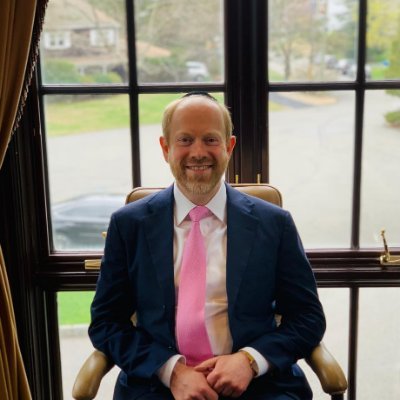
Bent Philipson is the founder of Philosophy Care, a consulting firm providing a range of services to skilled nursing facilities throughout New York and New Jersey dedicated to providing each resident with individualized care. Under Bent Philipson’s leadership, Philosophy Care offers guidance to facilities on services including Alzheimer’s care, amputation therapy, wound care, tracheostomy care, physical therapy, occupational therapy, speech therapy, stroke recovery, palliative care, cardiac rehabilitation, IV therapy, and bariatric care.
