
What You Should Know
- Digital health and behavior change leader Noom has launched a $125 at-home Biomarkers Test Kit for its U.S. membership base, targeting comprehensive metabolic and cardiovascular tracking.
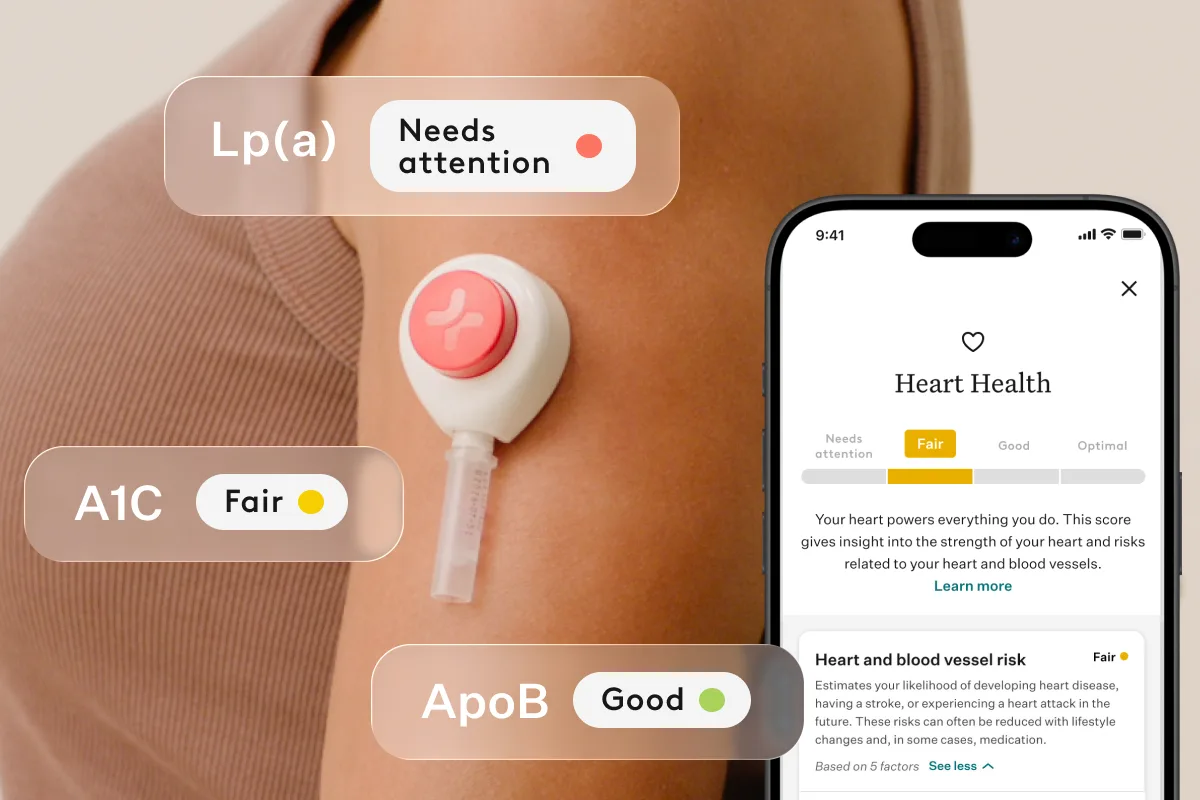
- Utilizing the Tasso+ device for painless blood collection, the kit tracks 17 clinically significant biomarkers, including gold-standard measures like HbA1c, ApoB, triglycerides, hs-CRP, and the genetic risk factor Lp(a).
- Early data from Noom’s Proactive Health program reveals severe hidden vulnerabilities in supposedly “healthy” cohorts (median BMI of 23.8), documenting that 70% had elevated LDL-C and 36% carried suboptimal HbA1c levels.
- The diagnostics expansion creates a direct, real-time feedback loop for members on GLP-1 therapies, connecting clinical interventions to measurable blood sugar and metabolic outcomes within the Noom app.
- All blood samples are analyzed by a CLIA-CAP-certified laboratory, delivering digital, clinician-reviewed results to the user within approximately one week.
From Lab to Living Room: Why Noom is Integrating At-Home Biomarker Kits into Behavioral AI
The preventative health and longevity medicine sectors are working through a major disruption in how patient risk is identified and tracked. For decades, metabolic health monitoring relied on a reactive, episodic care model: patients waited for an annual physical, traveled to a commercial laboratory, endured a traditional venous blood draw, and received a static spreadsheet of numbers with minimal behavioral context. This structural friction has created a severe public health blind spot. According to industry data, while 1 in 3 American adults has prediabetes, a staggering 8 in 10 of those individuals are entirely unaware of their condition.
The diagnostic gap is further highlighted by research showing that a mere 12% of the American population is considered metabolically healthy. This reality demonstrates that standard risk stratification—which often relies strictly on visible markers like Body Mass Index (BMI)—frequently misses hidden, compounding cardiovascular and glycemic risks.
To bypass these institutional hurdles and establish a continuous, data-driven system of action, consumer health giant Noom has officially launched an at-home Biomarkers Test Kit for its members in the United States. By pairing at-home diagnostics with personalized behavior change algorithms and prescription-grade catalysts, the company introduces an integrated digital ecosystem where consumers can test, act, and monitor clinical progress inside a single mobile interface.
Uncovering Silent Risk Factors in “Healthy” Populations
Noom’s push into consumer diagnostics is supported by early data from its Proactive Health program. Tracking a cohort of individuals with a median BMI of 23.8—a range traditionally classified as clinically healthy—Noom’s clinical team uncovered a significant accumulation of quiet metabolic and cardiovascular dangers:
- Elevated LDL-C: 70% of the structurally “healthy” participants exhibited elevated low-density lipoprotein cholesterol ($\ge 100\text{ mg/dL}$).
- ApoB Volatility: 43% demonstrated elevated Apolipoprotein B levels ($\ge 90\text{ mg/dL}$), a key indicator of atherogenic particle counts.
- Suboptimal HbA1c: 36% carried suboptimal hemoglobin A1c percentages ($> 5.5\%$), marking an active, unmanaged prediabetes risk.
- Vitamin Deficiencies: 76% registered suboptimal Vitamin D metrics ($< 50\text{ ng/mL}$).
To address these hidden risks at scale, Noom’s $125 kit provides a low-cost alternative to expensive out-of-network clinical screenings. The kit leverages the Tasso+ finger-stick device to deliver a virtually painless blood collection process that can be completed at home in under ten minutes. Samples are routed directly to a CLIA-CAP-certified laboratory, with 17 distinct biomarker insights across metabolic, cardiovascular, inflammation, hormone balance, and vitamin levels delivered back to the user’s smartphone within seven days.
Crucially, the testing panel includes an analysis of Lipoprotein(a). Both the American College of Cardiology and the American Heart Association mandate that every adult be screened for this genetic cardiovascular risk factor at least once in their lifetime. Despite this directive, only 1 in 1,000 individuals has ever been tested. Integrating an Lp(a) metric allows Noom and its clinical partners to fundamentally reframe long-term preventative care before chronic disease advances.
Optimizing the GLP-1 Tapering Framework
The release of the Biomarkers Test Kit lands at a critical moment for the management of anti-obesity medications. As millions of Americans utilize GLP-1 agonist therapies, health plans and corporate employers are confronting unsustainable specialty pharmacy bills driven by open-ended prescriptions. Resolving this fiscal crisis requires clear data that shows when a patient’s underlying biology has stabilized enough to initiate a structured medication reduction or discontinuation program.
Noom’s diagnostic framework solves this tracking dilemma by creating a real-time, biological feedback loop for members navigating GLP-1 regimens or intensive lifestyle modifications. Geoff Cook, CEO of Noom, noted that the majority of individuals understand very little about their internal health markers until they transition into acute illness. By placing home biomarker testing a tap away, Noom allows GLP-1 patients to independently verify improvements in their blood sugar control, lipid counts, and systemic inflammation markers over time. This objective visibility acts as a powerful behavioral driver, heavily reinforcing medication adherence during treatment and providing clinicians with the longitudinal metrics required to execute a safe, permanent transition off high-cost therapies.
