
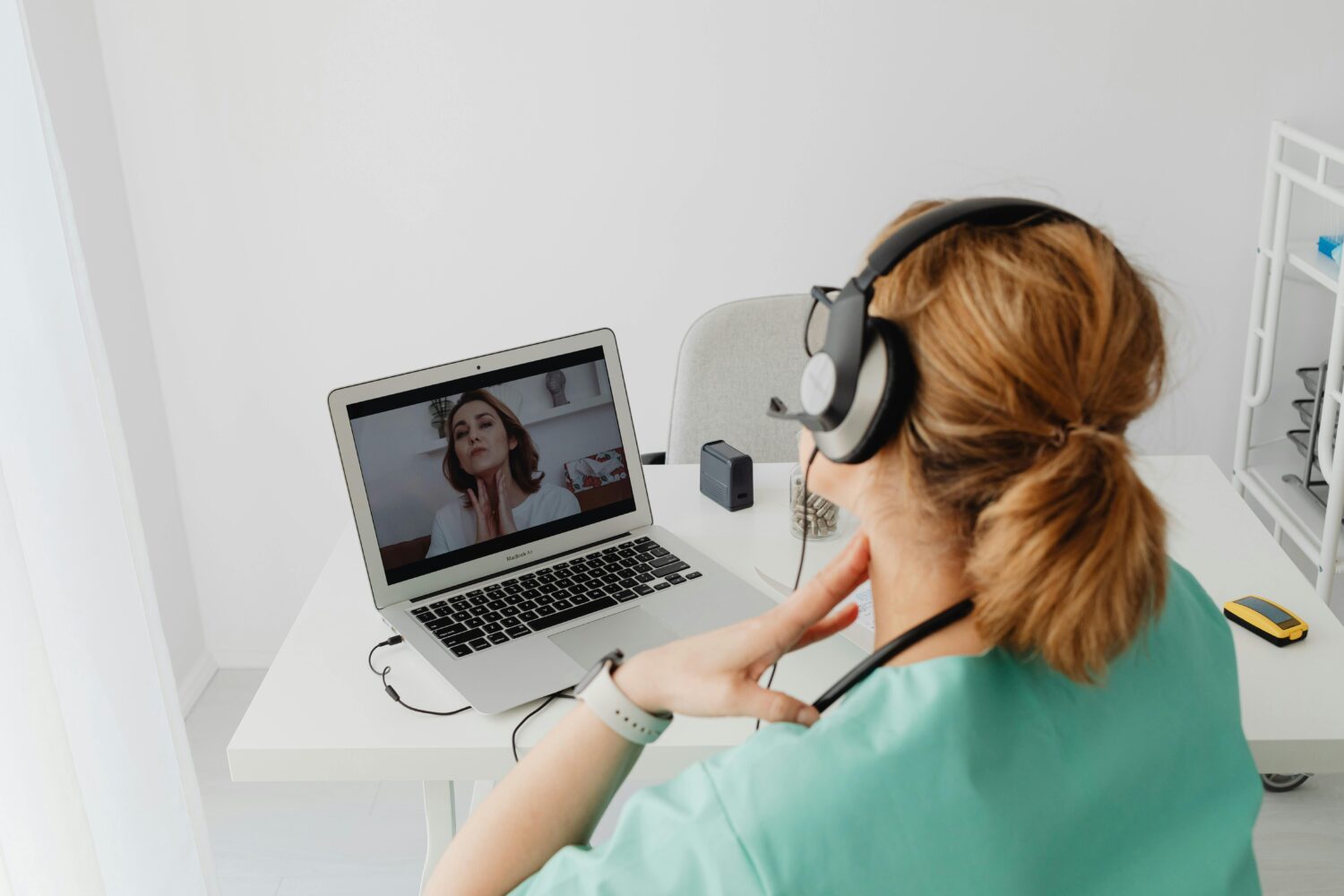
Recovery from substance use disorders is being transformed. The change comes not from new drugs, but from digital connections. Telehealth, the provision of healthcare from a distance through technology, is overcoming traditional obstacles and fostering a more reachable, often more efficient care model.
Through video conferencing, secure messaging, and digital monitoring, it connects with individuals in their environment and provides a previously unimaginable, adaptable route to recovery. Let us explore how telehealth is changing substance use disorder treatment.
1. Expanding Access and Removing Geographical Barriers
Telehealth makes care accessible by removing distance barriers. For rural patients, seeing a specialist is often difficult. It involves hours of travel, significant expenditure, and extensive planning. This is a challenge that normally discourages even the determined from accessing treatment.
Today, treatment is not constrained by a person’s location. Licensed therapists, doctors, and counselors are accessible in an instant, regardless of where the client is located. Something that was only a luxury for people in new medical centers in urban areas is now accessible to everyone.
This increased access directly tackles significant gaps in the continuity of care. A patient may travel for an intensive initial treatment program. They can then continue care in their local community through telehealth sessions with the same provider team. This will help to avoid the potentially dangerous disconnection that may arise when a patient goes home and fails to locate local support, hence minimizing the chance of a relapse. This virtual bridge provides essential professional guidance and accountability at critical times.
2. Enhancing Privacy and Reducing Stigma
The anxiety of social stigma is also a big turn-off for people considering treatment. The thought of walking into a recognizable treatment center or being observed in a waiting room could fill them with trepidation and embarrassment.
Telehealth provides these patients with a way to receive treatment in complete privacy. Sessions can take place at home or in any secure place. This privacy may give patients the confidence to seek help. This private framework also embraces a different kind of therapy environment. Being in a familiar space helps patients relax in therapy and may strengthen their bond with the therapist.
Many conventional providers, including Banyan Rehab Centers, have recognized this advantage and incorporated telehealth into a hybrid care model. This method combines the intensity of in‑person medical detox or residential treatment with the flexibility of virtual outpatient therapy and counseling. This creates a stigma‑aware continuum that supports long‑term health.
3. Facilitating Consistent and Convenient Engagement
Successful recovery is built on consistency, yet aspects of daily life frequently conflict with conventional treatment models. Missed sessions from work, family, or transport issues are common. Telehealth offers the flexibility needed to stay engaged. It allows for appointments that fit around lunch breaks, evenings, or different periods of availability.
This ease greatly facilitates individuals in maintaining consistent communication with their care team. It transforms recovery into a seamless part of life rather than a burdensome duty. The digital platform also supports new forms of low-level, steady assistance that complement formal therapy. Secure messaging allows quick check-ins or medication questions, while digital resources provide support between sessions.
Coping exercise videos or mindfulness guides can be transmitted to a patient’s device by providers. This creates a more interconnected, ongoing support system that offers guidance and motivation throughout the week. It helps individuals manage triggers and cravings right away while strengthening recovery skills daily.
4. Enabling Personalized and Data-Informed Care
Telemedicine systems make the treatment process much more dynamic and data-intensive. The healthcare provider can now use digital tools, with the patient’s permission, to inform treatment decisions that were difficult or impossible with traditional weekly sessions.
Secure applications allow healthcare providers to monitor changes in the patient. They can monitor mood, compliance, sleep habits, and reported cravings. Providers can identify risks early and tailor treatment to meet the patient’s unique requirements.
This data will enable an active rather than reactive treatment model. A therapist observing a pattern of heightened cravings recorded in an app can initiate contact to talk about fresh coping techniques.
A prescriber can more closely monitor a patient’s medication response through frequent virtual check-ins and modified digital records. This ongoing feedback mechanism allows faster changes to the care plan, tailoring recovery to a person’s needs. It fosters a truly patient-focused approach that evolves alongside their progress.
Endnote
Telehealth is more than a substitute for in-person care. It is reshaping substance use disorder treatment. By tackling barriers like access, stigma, and logistics, it opens support to people who were once overlooked. Its capacity to promote continuous participation and promote individual, data-driven approaches develops a more robust, versatile recovery. By combining technology and empathy, telehealth is ushering in a new era of healing rooted in inclusivity, sustainability, and hope.
