
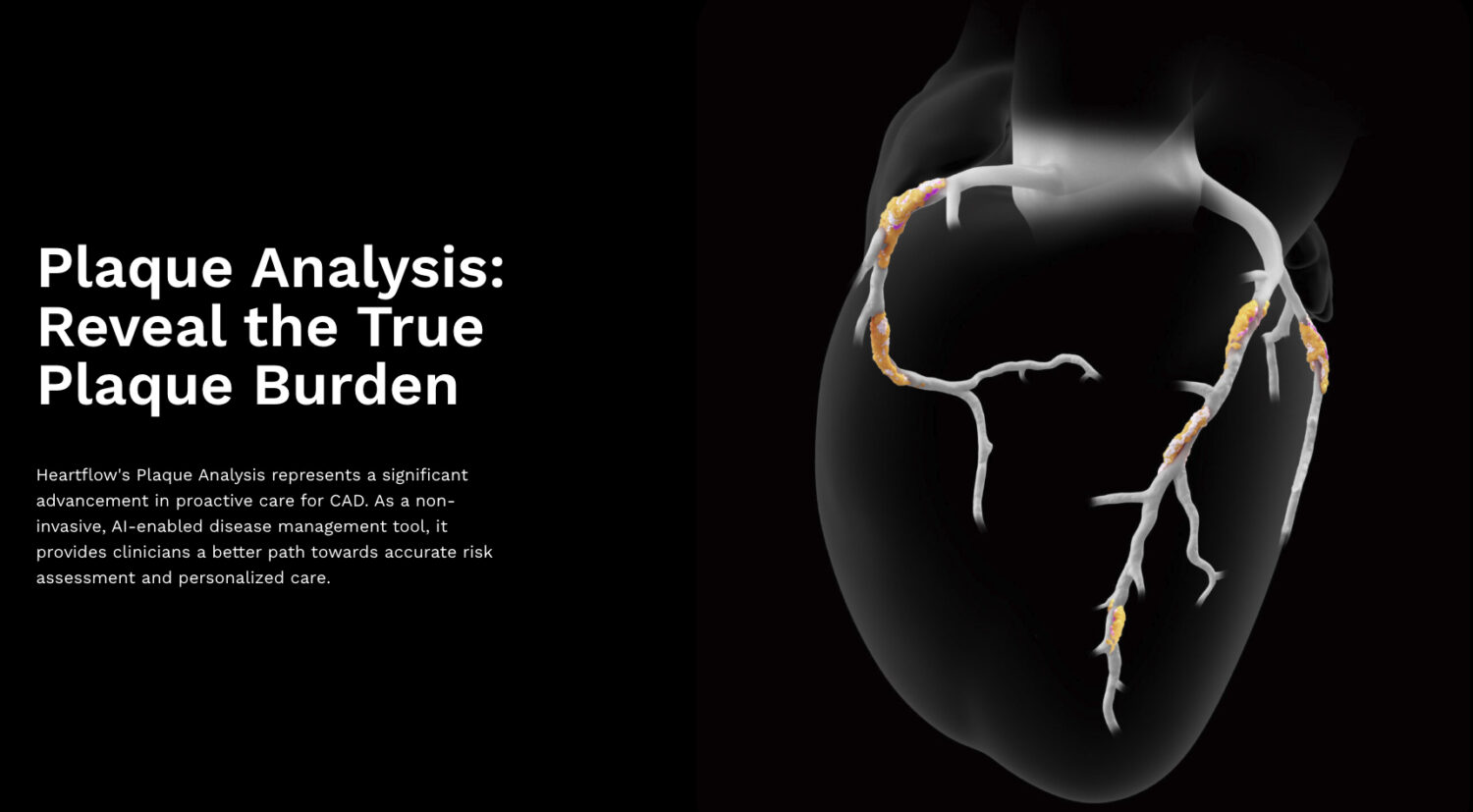
What You Should Know
– Heartflow has achieved a major milestone as Aetna updates its policies to cover AI-driven Heartflow Plaque Analysis across all lines of business, effective December 23, 2025.
– This move, combined with the new Category I CPT code 75577, provides a clear reimbursement pathway for the first time, establishing 4.00 total RVUs for the service and ensuring that AI-enabled plaque quantification is no longer a “pilot” technology but a standard of care.
The Reimbursement Infrastructure: Category I Validation
For years, AI in imaging was hampered by “Category III” status—experimental codes with inconsistent payment. As of January 1, 2026, the American Medical Association (AMA) has officially converted Plaque Analysis to Category I CPT code 75577.
- Physician Value: Establishes 0.85 work RVUs.
- Institutional Value: A total of 4.00 RVUs (including technical components) enables hospitals to scale this technology profitably.
- Aetna Coverage: Specifically covers patients with 1–69% stenosis (mild-to-moderate narrowing) identified on coronary CTA.
Clinical Evidence: The DECIDE Registry
Heartflow’s expansion is backed by the DECIDE Registry, a prospective study of ~22,000 patients.
- Treatment Modification: Adding Plaque Analysis to standard CCTA led to medical management changes in more than 50% of patients.
- Outcome Potential: Changes in therapy led to an average LDL cholesterol decrease of 18.7 mg/dL, associated with a projected 15% reduction in cardiac event risk.
- The “Gold Standard” Check: The tool maintains 95% agreement with the invasive gold standard, Intravascular Ultrasound (IVUS), in blinded core lab adjudications.
Investigational Staging
While the Heartflow Plaque Analysis is FDA-cleared, the Heartflow Plaque Staging framework (used in the DECIDE registry) remains an investigational-only framework. Clinicians must distinguish between the cleared quantification tool and the investigational risk-stratification models. Additionally, coverage is strictly for the 1-69% stenosis range; patients with “normal” (0% stenosis) CTA results are generally not covered for this AI add-on.
The C-Suite Forecast: 2026
With Aetna, UnitedHealthcare, Cigna, and Humana now on board, the majority of insured lives in the U.S. have access to this technology. For Health System CEOs, the question is no longer about “if” to adopt, but “how” to integrate Heartflow into the cardiology workflow to maximize the new 4.00 RVU payment structure.
