
Aging in America isn’t a niche issue—it’s a seismic shift. Within five years, one in five Americans will be 65 or older. By 2034, older adults will outnumber children for the first time in U.S. history.1 This demographic flip is already reshaping households, businesses, and public policy.
One of the most urgent—and solvable—challenges is housing safety, particularly falls. Nearly 90% of older adults want to remain in their homes as they age.2 Yet, fewer than 10% of U.S. homes are considered “aging-ready.”3 And the essential truth is universal: every older adult deserves to feel safe at home.
Right now, that safety is under threat. Falls are the number-one fear for older Americans, and for good reason. In 2023 alone, more than 41,000 older adults died from falls—a more than 70% increase since 2003.4 Long-lie falls, when someone is unable to get up or call for help, can be especially devastating, leading to long-term declines in health, independence, and quality of life. While the primary concern here has to be safety and quality of life, we must also look at the monetary impact on families and insurance costs. For example, in 2020 alone, non-fatal falls among older adults cost the U.S. health care system $80 billion – that’s up from $50 billion in 2015. Nearly 30% of that $80 billion is paid for directly by older adults or their families.5
The good news? We can change this trajectory, and we can do it now. We have the technology to predict, prevent, and detect falls at home. What once required institutional settings can now be delivered affordably, unobtrusively, and using strict privacy protocols in the place older adults most want to be: their own homes.
Consider how GPS evolved. In the 1970s, it was an expensive, complex technology reserved for military use.6 Today, it’s a passive, intuitive feature embedded in every smartphone, guiding billions of people every day. The same transformation must—and can—happen in healthcare.
Emerging technologies, such as ambient sensing hardware, conversational AI, and predictive analytics, can create an invisible safety net at home. These tools don’t just respond when something goes wrong; they anticipate problems before they occur. They detect subtle changes in behavior or environment that may precede a fall. They send real-time alerts when accidents do happen. And they do it all passively, without cameras or constant user input, while protecting privacy.
The impact is profound. Studies show that patients receiving care at home experience 20–30% fewer hospital readmissions, particularly seniors with chronic conditions. Scaling this kind of prevention across millions of households could save tens of thousands of lives annually while lowering long-term healthcare costs.
But we must be clear: not all data is created equal. The effectiveness of these systems depends on high-quality, objective data—the kind collected by passive, ambient sensors that integrate seamlessly into home life. When paired with AI, these systems deliver actionable insights that improve outcomes, extend independence, and give families peace of mind.
This isn’t about convenience. It’s about dignity, safety, and choice. Aging at home should not mean aging at risk.
Here’s what must happen now:
- Providers should integrate in-home safety technologies into standard care models, not as “extras,” but as essentials.
- Policymakers should incentivize adoption through reimbursement models, recognizing the enormous cost savings of prevention.
- Innovators must design solutions that are affordable, unobtrusive, and easy to use, so households beyond just the wealthy few can benefit.
The future of healthcare is personal, proactive, and at home. We stand at a pivotal moment: the technology exists, the need is undeniable, and the cost of inaction is measured in lives lost and independence surrendered.
The shift has already begun. Now it’s on all of us—providers, policymakers, innovators, and families—to accelerate it. If we succeed, better care, better outcomes, and better lives will be within reach for everyone, regardless of where they call home.
About Evan Schwartz
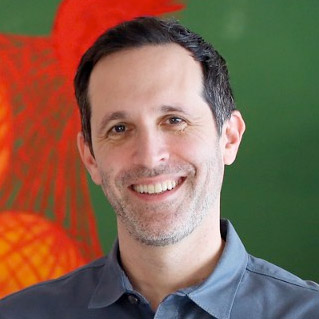
Evan Schwartz is CEO of Aloe Care Health, a company building ambient sensing and AI-powered solutions to keep older adults safe and independent in their own homes. With deep experience at the intersection of health technology and elder care, he writes and speaks on how smarter homes can transform aging, reduce hospitalizations, and restore dignity. Aloe Care Health serves numerous home healthcare organizations and insurance partners throughout the U.S.
