
• Skip to main content
  • Skip to secondary menu
  • Skip to primary sidebar
  • Skip to secondary sidebar
  • Skip to footer

  • Opinion
  • Health IT
    • Behavioral Health
    • Care Coordination
    • EMR/EHR
    • Interoperability
    • Patient Engagement
    • Population Health Management
    • Revenue Cycle Management
    • Social Determinants of Health
  • Digital Health
    • AI
    • Blockchain
    • Precision Medicine
    • Telehealth
    • Wearables
  • Life Sciences
  • Investments
  • M&A
  • Value-based Care
    • Accountable Care (ACOs)
    • Medicare Advantage

Cornell Survey: Experts Warn HSA Conversion and Small Premiums Threaten ACA Affordability

by Fred Pennic 12/23/2025 Leave a Comment

  • LinkedIn
  • Twitter
  • Facebook
  • Email
  • Print
Source: Cornell Health Policy Center Insight Panel

What You Should Know: 

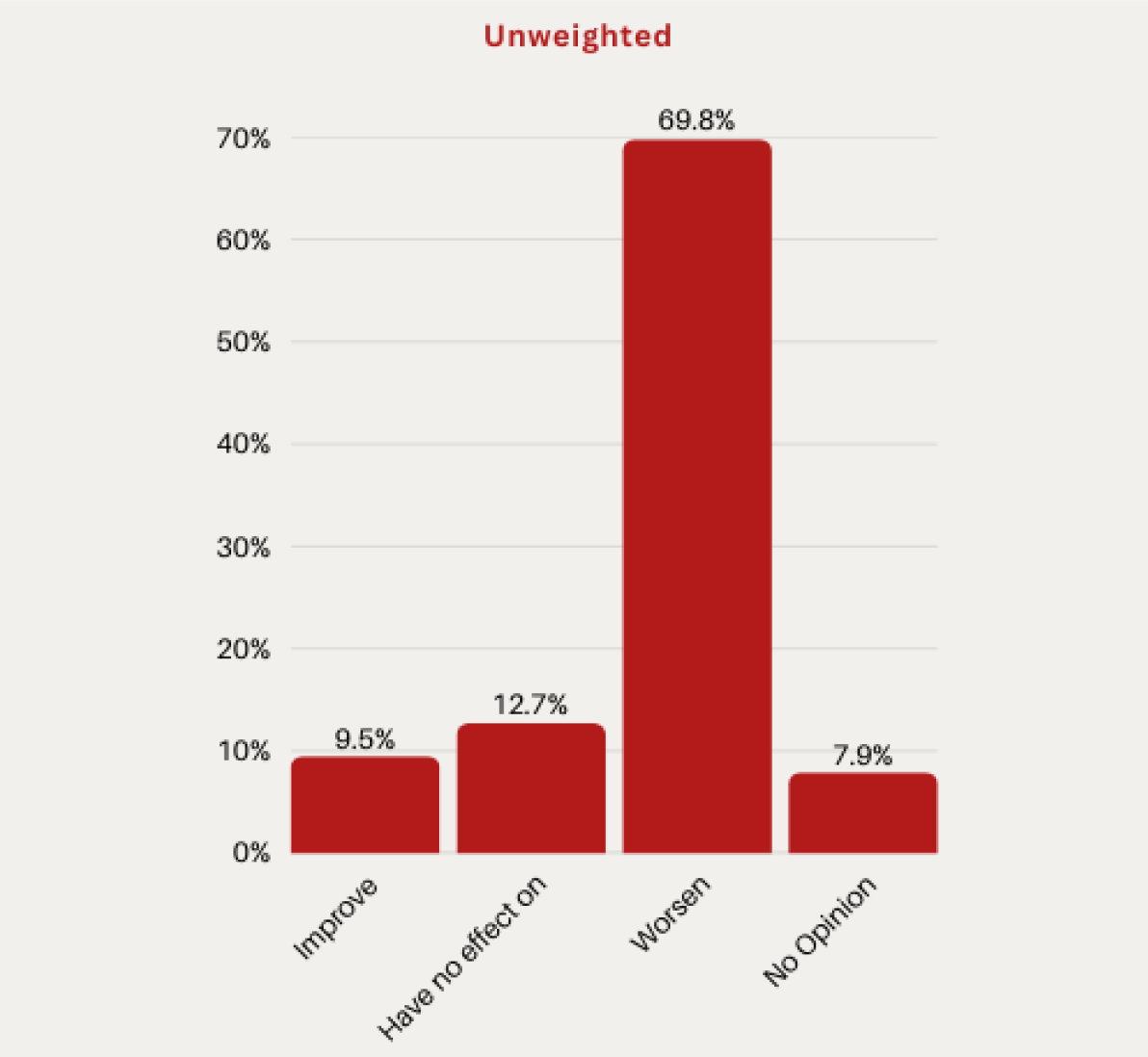
– A new survey from the Cornell Health Policy Center reveals that 70% of health policy scholars believe converting ACA subsidies into Health Savings Accounts (HSAs) would worsen affordability for enrollees.

– Additionally, 81% of experts agree that ending automatic renewals—a policy slated for 2028 under the “One Big Beautiful Bill Act”—will substantially reduce Marketplace enrollment. These findings come as policymakers scramble to find alternatives to enhanced premium tax credits set to expire at the end of 2025.

The HSA Pivot: A Recipe for Unaffordability?

One of the most prominent alternatives to current subsidies is a proposal by Senator Bill Cassidy (R-LA), which would deposit the incremental value of a household’s ePTC into a Health Savings Account (HSA) rather than applying it directly to the monthly premium.

The theoretical goal is to give consumers more control over their healthcare dollars. The expert verdict, however, is bleak.

  • 70% of surveyed scholars believe this move would “measurably worsen” affordability for Marketplace enrollees.
  • Only 10% believe it would improve affordability.
  • 13% anticipate no effect.

Critics argue that decoupling the subsidy from the premium exposes lower-income enrollees to cash-flow problems, potentially forcing them to pay higher premiums upfront before accessing HSA funds—a barrier that could lead to widespread disenrollment.

The Friction of “Small-Dollar” Premiums

Another contentious debate centers on the “zero-dollar” premium plans that have become common under the enhanced subsidy structure. Critics argue these plans encourage fraud or allow people to remain enrolled without realizing it. To combat this, some policymakers have proposed a mandatory “token” premium of $5 to $10 per month.

While proponents argue this ensures “skin in the game,” the Cornell panel suggests the cost in coverage loss outweighs the benefit in fraud reduction:

  • 75% of experts agreed that nominal premiums would reduce enrollment among eligible individuals who intend to stay covered.
  • 70% agreed it would reduce the number of unaware enrollees.
  • Only 37% believed it would measurably reduce fraudulent enrollment.

The data suggests that even a $5 hurdle introduces administrative friction—payment processing failures, expired credit cards, or missed mail—that kicks eligible people off their insurance.

The Silent Threat: The End of Auto-Pilot

Perhaps the most significant finding concerns a policy that has already passed. HR 1, known as the “One Big Beautiful Bill Act,” contains a provision effectively ending passive (automatic) renewals for most subsidized enrollees starting in 2028. Currently, if an enrollee takes no action, they are re-enrolled with their subsidy intact.

Under the new law, enrollees must actively re-verify their income and eligibility annually. The consensus on this change was the strongest in the entire survey:

  • 81% of respondents agreed or strongly agreed that eliminating passive re-enrollment will “substantially reduce” Marketplace enrollment.

This finding aligns with a growing body of literature on “administrative burden,” which shows that every additional step required to maintain benefits results in a drop-off of eligible participants.

Conclusion: The Trade-off Trap

The survey results highlight a critical disconnect between legislative intent and practical outcomes. While proposals to reduce fraud or increase consumer responsibility appeal to certain political philosophies, the expert consensus indicates they come with a steep price tag: fewer insured Americans and higher barriers to care. As the 2025 deadline looms, policymakers must decide if the pursuit of structural reform is worth the risk of an affordability crisis.

  • LinkedIn
  • Twitter
  • Facebook
  • Email
  • Print

Tap Native

Get in-depth healthcare technology analysis and commentary delivered straight to your email weekly

Reader Interactions

Primary Sidebar

Subscribe to HIT Consultant

Latest insightful articles delivered straight to your inbox weekly.

Submit a Tip or Pitch

2026 Predictions & Trends

Healthcare 2026 Forecast: Executives on AI Survival, Financial Reckoning, and the End of Point Solutions

2026 Healthcare Executive Predictions: Why the AI “Pilot Era” Is Officially Over

Featured Research Report

Digital Health Funding Hits $14.2B in 2025: A Year of AI Exuberance and Market Bifurcation

Most-Read

Anthropic Debuts ‘Claude for Healthcare’ and Opus 4.5 to Engineer the Future of Life Sciences

Anthropic Debuts ‘Claude for Healthcare’ and Opus 4.5 to Engineer the Future of Life Sciences

OpenAI Debuts ChatGPT Health: A ‘Digital Front Door’ That Connects Medical Records to Agentic AI

OpenAI Debuts ChatGPT Health: A ‘Digital Front Door’ That Connects Medical Records to Agentic AI

From Genes to Hackers: The Hidden Cybersecurity Risks in Life Sciences

From Genes to Hackers: The Hidden Cybersecurity Risks in Life Sciences

Utah Becomes First State to Approve AI System for Prescription Renewals

Utah Becomes First State to Approve AI System for Prescription Renewals

NYC Health + Hospitals to Acquire Maimonides in $2.2B Safety Net Overhaul

NYC Health + Hospitals to Acquire Maimonides in $2.2B Safety Net Overhaul

KLAS Report: Why Hospitals Are Choosing Efficiency Over 'Agentic' AI Hype in 2025

KLAS Report: Why Hospitals Are Choosing Efficiency Over ‘Agentic’ AI Hype in 2025

Advanced Primary Care 2026: Top 6 Investments for Health Systems According to Harvard Medical School

Advanced Primary Care 2026: Top 6 Investments for Health Systems According to Harvard Medical School

AI Nutrition Labels: The Key to Provider Adoption and Patient Trust?

AI Nutrition Labels: The Key to Provider Adoption and Patient Trust?

Kristen Hartsell, VP of Clinical Services, RedSail Technologies

The Pharmacy Closures Crisis: How Independent Pharmacies Are Fixing Pharmacy Deserts

HHS Launches 'OneHHS' AI Strategy to Integrate AI Across CDC, CMS, and FDA for Efficiency and Public Trust

HHS Launches ‘OneHHS’ AI Strategy to Integrate AI Across CDC, CMS, and FDA for Efficiency and Public Trust

Secondary Sidebar

Footer

Company

  • About Us
  • 2026 Editorial Calendar
  • Advertise with Us
  • Reprints and Permissions
  • Op-Ed Submission Guidelines
  • Contact
  • Subscribe

Editorial Coverage

  • Opinion
  • Health IT
    • Care Coordination
    • EMR/EHR
    • Interoperability
    • Population Health Management
    • Revenue Cycle Management
  • Digital Health
    • Artificial Intelligence
    • Blockchain Tech
    • Precision Medicine
    • Telehealth
    • Wearables
  • Startups
  • Value-Based Care
    • Accountable Care
    • Medicare Advantage

Connect

Subscribe to HIT Consultant Media

Latest insightful articles delivered straight to your inbox weekly

Copyright © 2026. HIT Consultant Media. All Rights Reserved. Privacy Policy |