
Cell and gene therapies (CGTs) are reshaping medicine. Hundreds of clinical trials are underway worldwide, and the first wave of commercial therapies is already changing the outlook for patients with rare diseases and cancers. Yet as the industry races toward commercialization, a fundamental challenge is threatening to slow progress: preserving the integrity of living cells from the lab to the patient.
One of the most underappreciated risks in this journey are transient warming events (TWE) which occur throughout the life cycle of cell-based therapies. These brief but damaging temperature excursions often occur during shipping, transferring, or even during routine freezer access and can silently compromise the potency and consistency of therapies.
The Commercialization Bottleneck No One Talks About
For developers, regulators, and investors, the promise of CGTs rests not just on scientific breakthroughs but on reliable manufacturing and distribution at scale. Every dose must arrive potent and functional, and variability is not an option. But unlike traditional pharmaceuticals where stability can be measured in years, living cell products can be destabilized in seconds by a single uncontrolled warming episode.
This reality is colliding with the logistical complexity of commercial rollouts. As therapies move beyond single academic centers into multi-site clinical trials and global markets, maintaining cold chain integrity becomes exponentially harder. A TWE at a clinical site may look like a minor data blip, but in practice it can mean the loss of a patient’s only viable treatment — costing them their only path to treatment and adding significant expense for insurers.
Why TWEs Matter
Even short-lived temperature excursions trigger biological stress inside cryopreserved cells. This includes ice recrystallization that disrupt membranes, osmotic imbalances that destabilize structures, and cryoprotectants that become more toxic as temperatures rise. These effects may not show up immediately, but often lead to delayed cell death, where samples appear healthy at thaw yet lose function hours or days later.
In commercial CGTs, this is not just a scientific issue but a patient safety and business risk. Failed lots drive up costs, delay delivery, and erode trust among regulators, providers, and patients.
Preventing a Silent Risk
The good news is TWEs are preventable. Forward-looking organizations are recognizing that cold chain integrity extends beyond manufacturing and is now a business and patient-access imperative. Strategies gaining traction include:
- Continuous temperature monitoring to ensure payers, regulators, and providers have confidence in every dose delivered.
- Standardized handling SOPs that reduce costly variability as therapies scale from single labs to multi-site commercial distribution.
- Validated, insulated containers that protect shipments across long supply chains and reduce the risk of product loss.
- Emerging cryoprotection technologies like ice recrystallization inhibitors (IRIs), which extend stability and help therapies withstand the realities of global logistics.
By moving from reactive troubleshooting to proactive risk management, the industry can lower costs, speed time-to-market, and most importantly, make advanced therapies consistently available to the patients who need them at a reasonable cost.
The Path Forward
For cell and gene therapies to deliver on their promise at commercial scale, the industry must treat temperature integrity with the same rigor as clinical efficacy. Regulators are already scrutinizing cold chain practices, and payers will increasingly require evidence that every dose is delivered consistently before agreeing to cover therapies that cost hundreds of thousands per patient.
In this environment, manufacturers that can demonstrate robust TWE mitigation will secure faster regulatory approvals, smoother reimbursement pathways, and greater trust from providers and patients. Moving forward, reliable temperature control will underpin both patient safety and commercial success for CGTs.
About Dr. Jason Acker, MBA, PhD
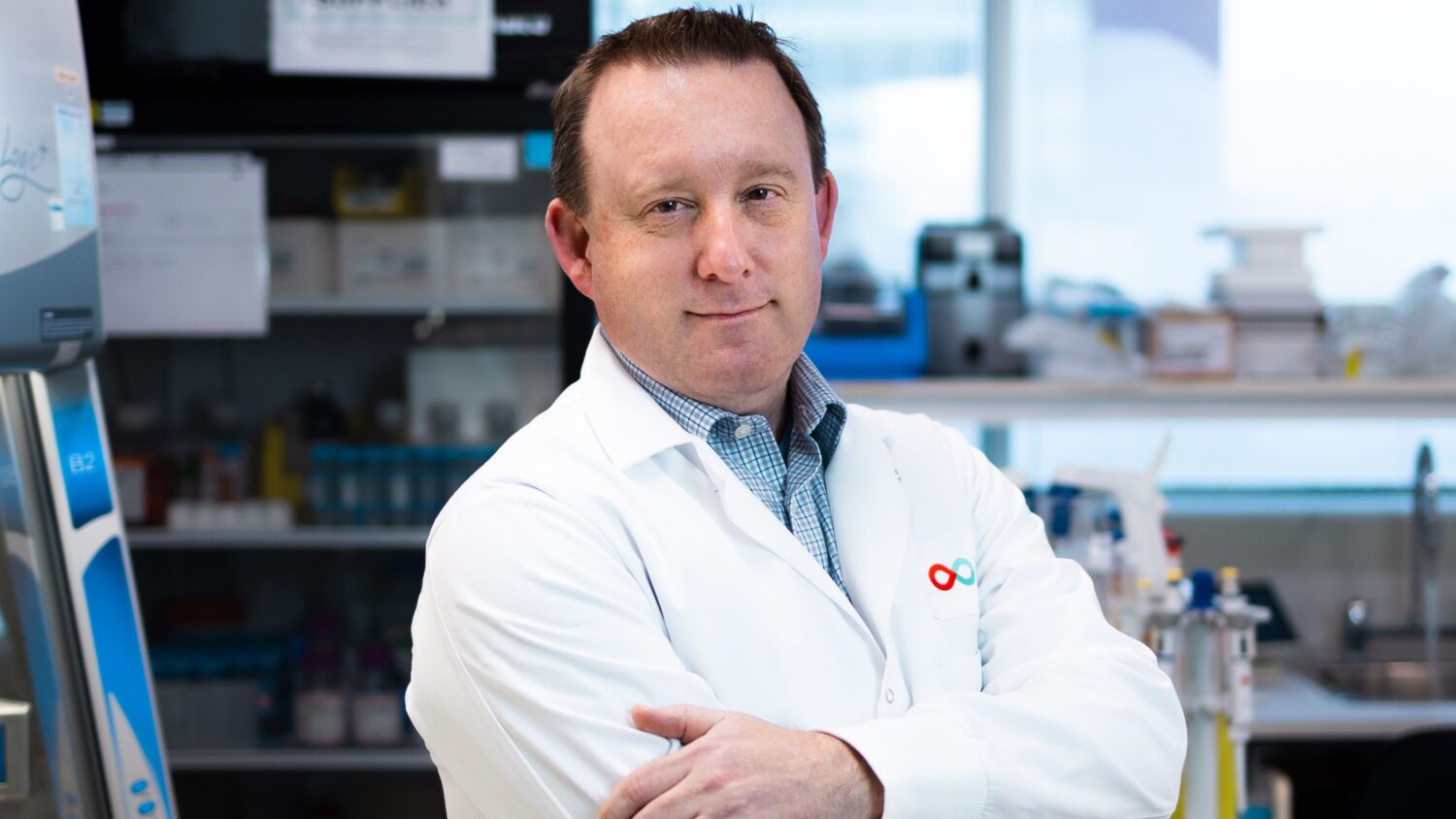
Dr. Jason Acker, MBA, PhD, Co-founder of PanTHERA CryoSolutions, a BioLife Solutions Company. He is a distinguished leader in biopreservation, transfusion medicine, and cell therapy manufacturing, with extensive experience bridging scientific research and industry innovation. He has dedicated his career to advancing cryopreservation technologies, blood component processing, and regenerative medicine applications. With a strong background in academic research, regulatory compliance, and technology development, Dr. Acker has contributed to improving the quality, safety, and efficacy of cellular therapies worldwide. His work has led to significant advancements in biobanking, process optimization, and cold chain logistics, ensuring the integrity of biological products from lab to patient.
