
• Skip to main content
  • Skip to secondary menu
  • Skip to primary sidebar
  • Skip to secondary sidebar
  • Skip to footer

  • Opinion
  • Health IT
    • Behavioral Health
    • Care Coordination
    • EMR/EHR
    • Interoperability
    • Patient Engagement
    • Population Health Management
    • Revenue Cycle Management
    • Social Determinants of Health
  • Digital Health
    • AI
    • Blockchain
    • Precision Medicine
    • Telehealth
    • Wearables
  • Life Sciences
  • Investments
  • M&A
  • Value-based Care
    • Accountable Care (ACOs)
    • Medicare Advantage

Non-Invasive URIS® Device from Stimvia Delivers Promising Results for Parkinson’s Symptoms

by Fred Pennic 08/20/2025 Leave a Comment

  • LinkedIn
  • Twitter
  • Facebook
  • Email
  • Print

What You Should Know: 

– Stimvia, a Czech medtech company, has successfully completed a clinical study on its URIS® device for the treatment of Parkinson’s disease symptoms. 

– The study, which was published in the medical journal Clinical Parkinsonism & Related Disorders, confirms the safety of the non-invasive treatment and indicates a positive impact on both symptom relief and patients’ quality of life.

Impact of Parkinson’s Disease

Parkinson’s disease, the second most common neurodegenerative disorder after Alzheimer’s, affects over 10 million people worldwide. It is characterized by motor dysfunction, muscle stiffness, resting tremor, and issues with balance and walking. The URIS® device, which uses a proprietary method called peroneal electrical transcutaneous neuromodulation (peroneal eTNM®), has shown promising results in addressing these debilitating symptoms.

Visible Improvements and Strong Safety Profile

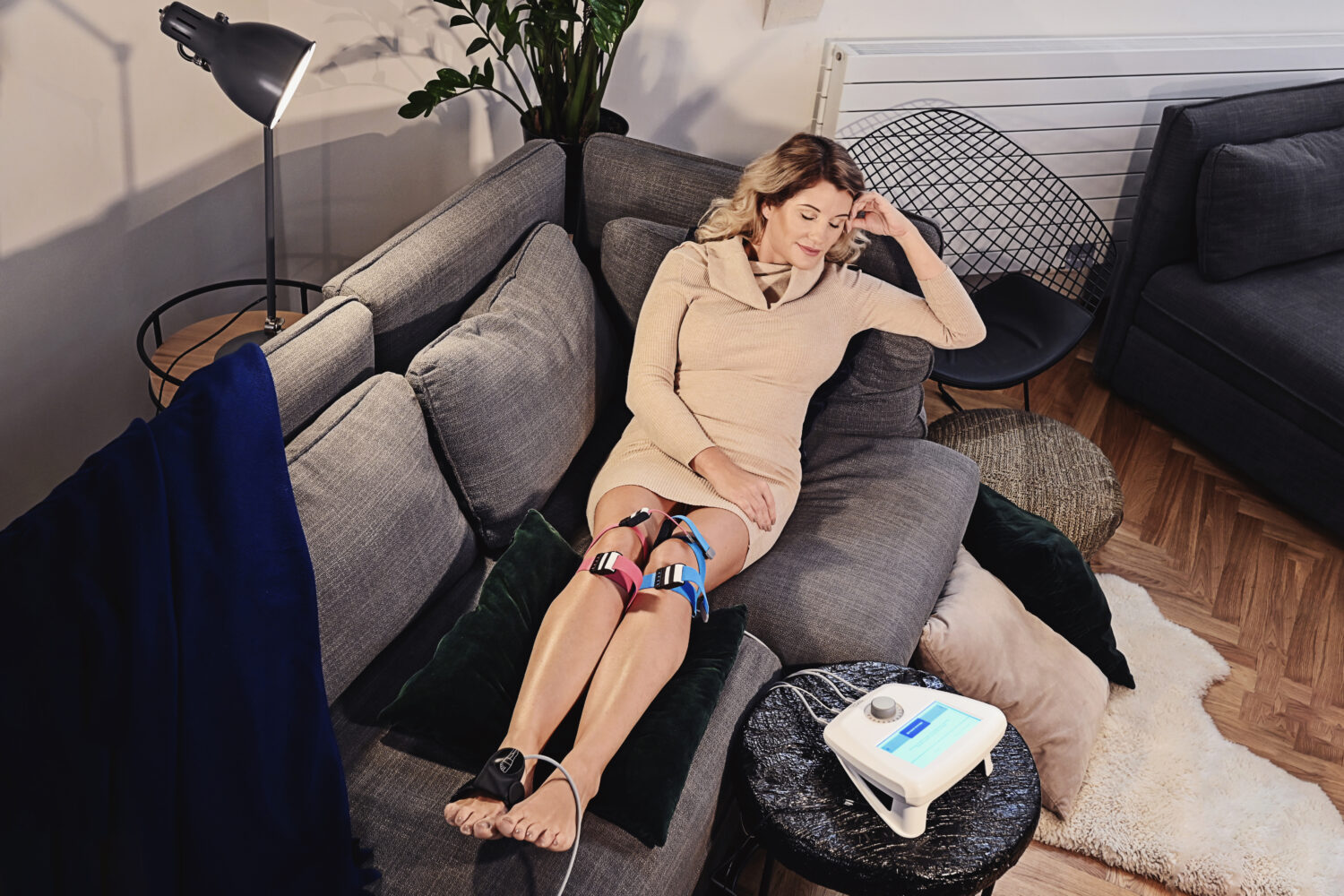
The study included 12 patients with Parkinson’s disease who were also taking Levodopa, a common medication for the condition. Participants used the URIS® device for daily 30-minute stimulation of the peroneal nerve behind the knee for a period of six weeks. This was followed by a six-week period without stimulation to observe if the positive effects would last.

According to Prof. MUDr. David Skoloudik, the study’s principal investigator, patients experienced visible improvements in motor symptoms like resting tremor and, more importantly, in their daily comfort and well-being. The improvements in quality of life exceeded the threshold of clinical relevance, and no severe side effects were reported. The greatest benefits were seen in daily functioning, with patients reporting less physical discomfort and an improved ability to perform routine activities.

A Non-Invasive Alternative to Deep Brain Stimulation
Non-Invasive URIS® Device from Stimvia Delivers Promising Results for Parkinson's Symptoms
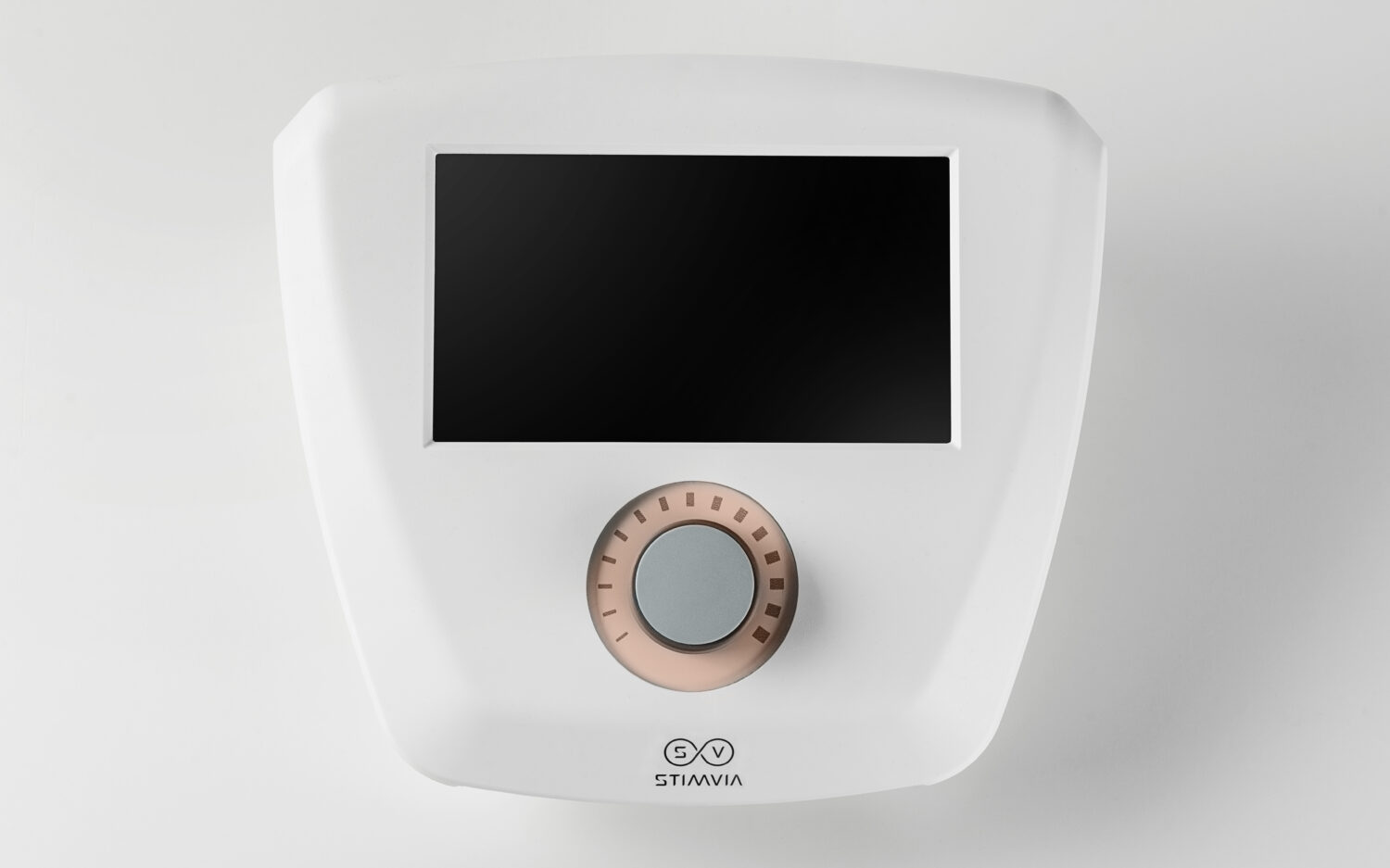
URIS® Device

The goal of the study was to see if URIS® could be a meaningful complement to standard treatment. Lukas Doskocil, CEO of Stimvia, believes that the combination of Levodopa and non-invasive neuromodulation could help to slow the progression of the disease and extend patients’ quality years of life without the need for invasive procedures like deep brain stimulation. He also stated that URIS® may be a more suitable option in the early stages of Parkinson’s due to its non-invasive nature, ease of home use, and strong safety profile.

A particularly strong indicator of the therapy’s value is that 80% of the patients from the pilot study chose to continue using URIS® therapy after the initial phase. To support this, Stimvia has launched a two-year follow-up study for participants who perceive “real, tangible health benefits” from the treatment.

Upcoming International Clinical Trial

Stimvia is now preparing for a larger international clinical trial to confirm these promising results, with the study expected to launch this fall. Experts from several European countries are contributing to the study’s design, and research centers are currently being selected. The company’s core technology is protected by over 100 international patents and holds prestigious certifications from the German institution TÜV SÜD.

  • LinkedIn
  • Twitter
  • Facebook
  • Email
  • Print

Tagged With: Parkinson's Disease

Tap Native

Get in-depth healthcare technology analysis and commentary delivered straight to your email weekly

Reader Interactions

Primary Sidebar

Subscribe to HIT Consultant

Latest insightful articles delivered straight to your inbox weekly.

Submit a Tip or Pitch

2026 Predictions & Trends

Healthcare 2026 Forecast: Executives on AI Survival, Financial Reckoning, and the End of Point Solutions

2026 Healthcare Executive Predictions: Why the AI “Pilot Era” Is Officially Over

Featured Research Report

Digital Health Funding Hits $14.2B in 2025: A Year of AI Exuberance and Market Bifurcation

Most-Read

Trump Unveils 'The Great Healthcare Plan': A Global Price-Matching Pivot to Settle the Affordability Crisis

Price Reset 2026: How Trump’s ‘Great Healthcare Plan’ Slashes Drug Costs at Trumprx.gov

Anthropic Debuts ‘Claude for Healthcare’ and Opus 4.5 to Engineer the Future of Life Sciences

Anthropic Debuts ‘Claude for Healthcare’ and Opus 4.5 to Engineer the Future of Life Sciences

OpenAI Debuts ChatGPT Health: A ‘Digital Front Door’ That Connects Medical Records to Agentic AI

OpenAI Debuts ChatGPT Health: A ‘Digital Front Door’ That Connects Medical Records to Agentic AI

From Genes to Hackers: The Hidden Cybersecurity Risks in Life Sciences

From Genes to Hackers: The Hidden Cybersecurity Risks in Life Sciences

Utah Becomes First State to Approve AI System for Prescription Renewals

Utah Becomes First State to Approve AI System for Prescription Renewals

NYC Health + Hospitals to Acquire Maimonides in $2.2B Safety Net Overhaul

NYC Health + Hospitals to Acquire Maimonides in $2.2B Safety Net Overhaul

KLAS Report: Why Hospitals Are Choosing Efficiency Over 'Agentic' AI Hype in 2025

KLAS Report: Why Hospitals Are Choosing Efficiency Over ‘Agentic’ AI Hype in 2025

Advanced Primary Care 2026: Top 6 Investments for Health Systems According to Harvard Medical School

Advanced Primary Care 2026: Top 6 Investments for Health Systems According to Harvard Medical School

AI Nutrition Labels: The Key to Provider Adoption and Patient Trust?

AI Nutrition Labels: The Key to Provider Adoption and Patient Trust?

Kristen Hartsell, VP of Clinical Services, RedSail Technologies

The Pharmacy Closures Crisis: How Independent Pharmacies Are Fixing Pharmacy Deserts

Secondary Sidebar

Footer

Company

  • About Us
  • 2026 Editorial Calendar
  • Advertise with Us
  • Reprints and Permissions
  • Op-Ed Submission Guidelines
  • Contact
  • Subscribe

Editorial Coverage

  • Opinion
  • Health IT
    • Care Coordination
    • EMR/EHR
    • Interoperability
    • Population Health Management
    • Revenue Cycle Management
  • Digital Health
    • Artificial Intelligence
    • Blockchain Tech
    • Precision Medicine
    • Telehealth
    • Wearables
  • Startups
  • Value-Based Care
    • Accountable Care
    • Medicare Advantage

Connect

Subscribe to HIT Consultant Media

Latest insightful articles delivered straight to your inbox weekly

Copyright © 2026. HIT Consultant Media. All Rights Reserved. Privacy Policy |