
• Skip to main content
  • Skip to secondary menu
  • Skip to primary sidebar
  • Skip to secondary sidebar
  • Skip to footer

  • Opinion
  • Health IT
    • Behavioral Health
    • Care Coordination
    • EMR/EHR
    • Interoperability
    • Patient Engagement
    • Population Health Management
    • Revenue Cycle Management
    • Social Determinants of Health
  • Digital Health
    • AI
    • Blockchain
    • Precision Medicine
    • Telehealth
    • Wearables
  • Life Sciences
  • Investments
  • M&A
  • Value-based Care
    • Accountable Care (ACOs)
    • Medicare Advantage

Study: Telerehabilitation Could Improve Patients With Late-Stage Cancer

by Fred Pennic 04/05/2019 Leave a Comment

  • LinkedIn
  • Twitter
  • Facebook
  • Email
  • Print
Study: Telerehabilitation Could Improve Patients With Late-Stage Cancer

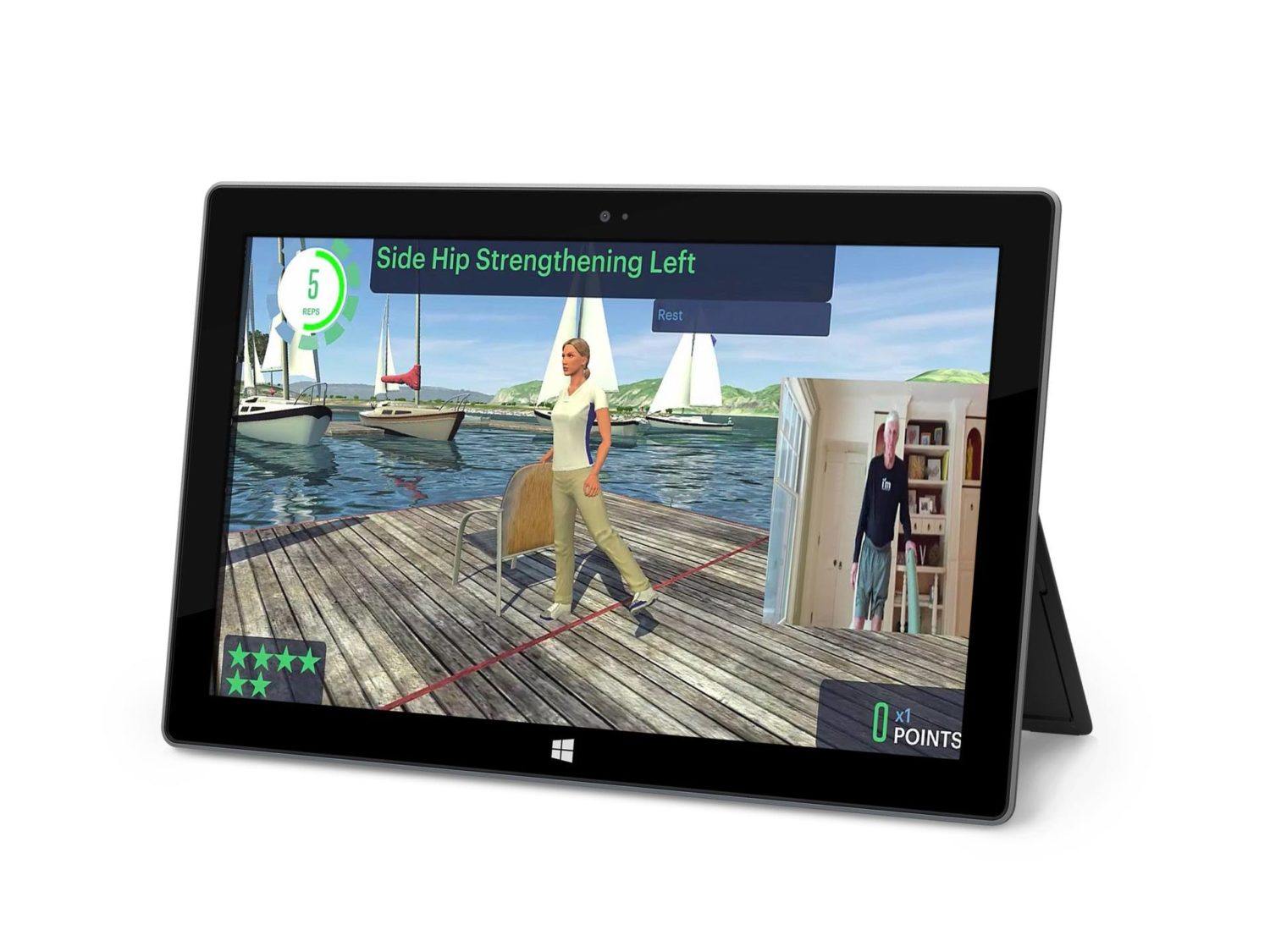
Telerehabilitation services to patients with late-stage cancer can improve their physical function, pain and quality of life while allowing them to spend less time in hospitals and nursing homes, according to recent research led by Andrea Cheville, M.D., a Mayo Clinic physical medicine and rehabilitation physician. The research team also included Timothy Moynihan, M.D.; and Charles Loprinzi, M.D. — all from Mayo Clinic — as well as Jeph Herrin, Ph.D., Yale School of Medicine, and Kurt Kroenke, M.D., Richard L. Roudebush VA Medical Center.

Telerehabilitation Study Overview

Published in the online issue of JAMA Oncology, telerehabilitation began with a physical therapist delivering individualized physical conditioning programs to participants by telephone. Progress was monitored and feedback about patients’ level of pain and physical function was shared between the physical therapists and patients online or by telephone, depending on patient preference. When necessary, patients were referred to local physical therapists for further refinement of their programs.

“Patients with late-stage cancers often lose their functional abilities and, with this loss, have a poorer quality of life and lowered ability to tolerate their cancer treatments,” says Dr. Cheville. “We know that rehabilitation and exercise can reverse or slow these losses, but it is often hard for patients to find, much less get, these services. The result is that too many people lose the ability to care for themselves and become needlessly dependent on others. We were interested in finding out whether an easily accessible telerehabilitation program could improve the function and independence of these patients.”

The trial involved 516 participants with late-stage cancers who were experiencing functional limitations. Subjects were randomly placed into one of three groups. The first was a control group, where patients continued their usual care and activities. The second group received the telerehabilitation intervention. A third group received medication-based pain management in addition to telerehabilitation. This third group was included to assess whether the addition of pain management would enhance benefits of telerehabilitation.

Study Results

The results indicated that the subjects assigned to telerehabilitation alone had the largest benefits: higher levels of function and independence, lessened pain, and fewer days spent in hospitals and nursing homes. Overall, this study reveals that expanding cancer care to include telerehabilitation, and a focus on maintaining strength and function, can help people with cancer improve their quality of life and protect them from longer hospitalizations and nursing home stays.

“We were not surprised that telerehabilitation was beneficial, but we were very surprised that the addition of medication-based pain management did not further improve outcomes. We plan to explore this finding in future research,” says Dr. Cheville.

  • LinkedIn
  • Twitter
  • Facebook
  • Email
  • Print

Tagged With: cancer, Mayo Clinic, medication, Nursing Homes, Oncology, Pain Management, Yale School of Medicine

Tap Native

Get in-depth healthcare technology analysis and commentary delivered straight to your email weekly

Reader Interactions

Primary Sidebar

Subscribe to HIT Consultant

Latest insightful articles delivered straight to your inbox weekly.

Submit a Tip or Pitch

2026 Predictions & Trends

Healthcare 2026 Forecast: Executives on AI Survival, Financial Reckoning, and the End of Point Solutions

2026 Healthcare Executive Predictions: Why the AI “Pilot Era” Is Officially Over

Most-Read

HHS Launches 'OneHHS' AI Strategy to Integrate AI Across CDC, CMS, and FDA for Efficiency and Public Trust

HHS Launches ‘OneHHS’ AI Strategy to Integrate AI Across CDC, CMS, and FDA for Efficiency and Public Trust

Kristen Hartsell, VP of Clinical Services, RedSail Technologies

The Pharmacy Closures Crisis: How Independent Pharmacies Are Fixing Pharmacy Deserts

From Overwhelmed to Optimized: How AI Agents Address Staffing Challenges and Burnout in Healthcare

From Overwhelmed to Optimized: How AI Agents Address Staffing Challenges and Burnout in Healthcare

The VBC Paradox: Why Hospitals Are Doubling Down on Value-Based Care While Revenue at Risk Lags

The VBC Paradox: Why Hospitals Are Doubling Down on Value-Based Care While Revenue at Risk Lags

Tebra Secures $250M to Challenge Legacy EHRs with AI-Powered Automation

Tebra Secures $250M to Challenge Legacy EHRs with AI-Powered Automation

AstraZeneca Selects Salesforce Agentforce Life Sciences to Deploy AI-Powered Global Customer Engagement

AstraZeneca Selects Salesforce Agentforce Life Sciences to Deploy AI-Powered Global Customer Engagement

Aidoc Partners with NVIDIA MONAI to Scale Open-Source Clinical AI

Aidoc Partners with NVIDIA MONAI to Scale Open-Source Clinical AI

RapidAI Secures FDA Clearance for Five New Deep Clinical AI Modules, Expanding Enterprise Imaging Platform

RapidAI and AWS Deepen Partnership to Scale Clinical AI in Healthcare

Greece and Sword Health to Build AI-Powered Healthcare Front Door

Greece and Sword Health to Build AI-Powered Healthcare Front Door

GE HealthCare Acquires Intelerad for $2.3B to Create Cloud-First, AI-Enabled Imaging Ecosystem

GE HealthCare Acquires Intelerad for $2.3B to Create Cloud-First, AI-Enabled Imaging Ecosystem

Secondary Sidebar

Footer

Company

  • About Us
  • Advertise with Us
  • Reprints and Permissions
  • Op-Ed Submission Guidelines
  • Contact
  • Subscribe

Editorial Coverage

  • Opinion
  • Health IT
    • Care Coordination
    • EMR/EHR
    • Interoperability
    • Population Health Management
    • Revenue Cycle Management
  • Digital Health
    • Artificial Intelligence
    • Blockchain Tech
    • Precision Medicine
    • Telehealth
    • Wearables
  • Startups
  • Value-Based Care
    • Accountable Care
    • Medicare Advantage

Connect

Subscribe to HIT Consultant Media

Latest insightful articles delivered straight to your inbox weekly

Copyright © 2025. HIT Consultant Media. All Rights Reserved. Privacy Policy |