
Vince Lombardi told his players that perfection is not attainable, but that if you chase it, you can catch excellence. And that’s exactly how to think about approaching safety in healthcare.
The goal of eliminating preventable harm in healthcare may sound like a utopian promise, a slogan on a hospital wall. But patient and employee safety is one of the most urgent and least acknowledged public health crises of our time. It desperately needs attention from hospital boards and leadership to make real, systemic change.
Adverse events occur in nearly one in four hospital admissions. An estimated 795,000 Americans are permanently disabled or die each year because a dangerous illness went unrecognized. Hospitals consistently rank at the top of workplaces with the highest number of reported injuries. Nearly 50% of hospital employees give their organizations a low score on overall safety culture.
These numbers are so large that they risk becoming abstract. We have to remember they are people who come to us for care, or dedicated healthcare workers who were harmed in the pursuit of providing care.
We have made genuine progress. Safety scores have recovered to pre-pandemic levels and in many areas climbed higher, with the sharpest gains in teamwork. Yet the scale of preventable harm remains unconscionable, and the reason is structural. We have spent decades improving around the edges of a system with serious cracks running through its foundation. The scale of this crisis is the predictable result of a system where safety has not been an organizational core value.
The most consequential crack sits at the very top.
Hospital boards have a habit of operating on the assumption that healthcare is basically safe, and that safety is therefore someone else’s problem to manage. Data tells us that hospitals that perform best on quality and safety measures are precisely those where boards invest meaningful time in oversight. In addition, when safety isn’t at the core throughout the organization–starting at the most senior level-safety issues can occur for the following reasons:
- Safety culture doesn’t start from the top: The implications run deeper than governance. What a board treats as urgent, a CEO treats as urgent. What a CEO treats as urgent flows through an entire organization. One hospital president told me plainly: “I need to be the Chief Safety Officer at my organization.” That posture, when it is genuine and visible, changes what every employee at every level of the hospital believes is possible.
- Safety is too often walled off rather than woven into every action from boardroom to bedside. Variation between day and night shifts, weekdays and weekends, and facilities within the same health system is known, measured, and tolerated. For example, night-shift staff are 17% less likely to believe their organization prioritizes safety. Part of that gap is cultural, but part of it is technical. Safety alerts, escalation workflows, and real-time rounding tools that go dark after 5 PM. When safety is only a priority during business hours, it is never truly a priority at all.
- Leadership behaviors go undefined and unaccountable. Leaders at all levels must be ingrained with behavioral expectations around high-reliability practices such as rounding, huddles, coaching, and feedback, with the relevant training and skills development, as well as accountability to make these behaviors become habits.
- The wounds we don’t see. We cannot claim to be pursuing zero harm while measuring only the harms that leave a visible mark. We have trained ourselves to see only certain kinds of harm. A central line infection shows up in a chart. Safety measurement is shallow: traditional voluntary reporting only captures a sliver of all the harms that are occurring. And does not capture emotional harm at all.
Medical error causes devastating injury that persists long after a physical wound heals. Surveys of patients who experienced errors find that more than half remain angry months later, and more than a third feel abandoned by their providers. But when clinicians communicated openly in the aftermath of an error, those numbers dropped dramatically, in some cases to nearly zero. Transparency becomes more than just the ethical response to harm and serves as a form of treatment.
Financial harm follows the same pattern. Studies show that patients affected by preventable errors face increased medical costs, lost income, and, in some cases, bankruptcy. Hospital leaders need to understand the ripple effect of every type of harm to truly make sizeable progress.
We already know what works
Here is what gives me genuine optimism: the knowledge gap in patient safety has narrowed. We know what high reliability looks like in practice. Organizations leading with safety and effective implementation of high-reliability principles and practices see an 80% reduction in safety events, staff turnover drops by roughly 30%, and patients are more than twice as likely to recommend a facility they perceive as safe.
Those hospitals and health systems could not have made this progress without true board commitment, investment, and accountability. Take Providence, for example. Over the last decade, its board has worked to embed a high-reliability framework, branded as Caring Reliably, into daily clinical and operational practice across its care network. Today, Providence has an organizationally ubiquitous safety culture where employees feel comfortable reporting safety concerns and can learn from each other in an environment where transparency, accountability, and teamwork are celebrated.
Safety starts with boards asking each other generative questions like, “Have we clearly positioned safety as an uncompromising value for our organization?” or “Have we embraced transparency for sharing events of harm across our system?” When boards start spending at least 20% of the board agenda discussing patient and workforce safety events and initiatives, the path to high reliability begins.
Chasing Zero Harm isn’t meant to be a dangling carrot that’s impossible to reach. Safety 24/7 is the pursuit of building a culture where every patient, every employee, in every care setting is cared for with the rigor and attention that safety requires.
The only thing standing between the current state of safety and a fundamentally safer healthcare system is the willingness of boards and CEOs to lead as though lives depend on it. They do.
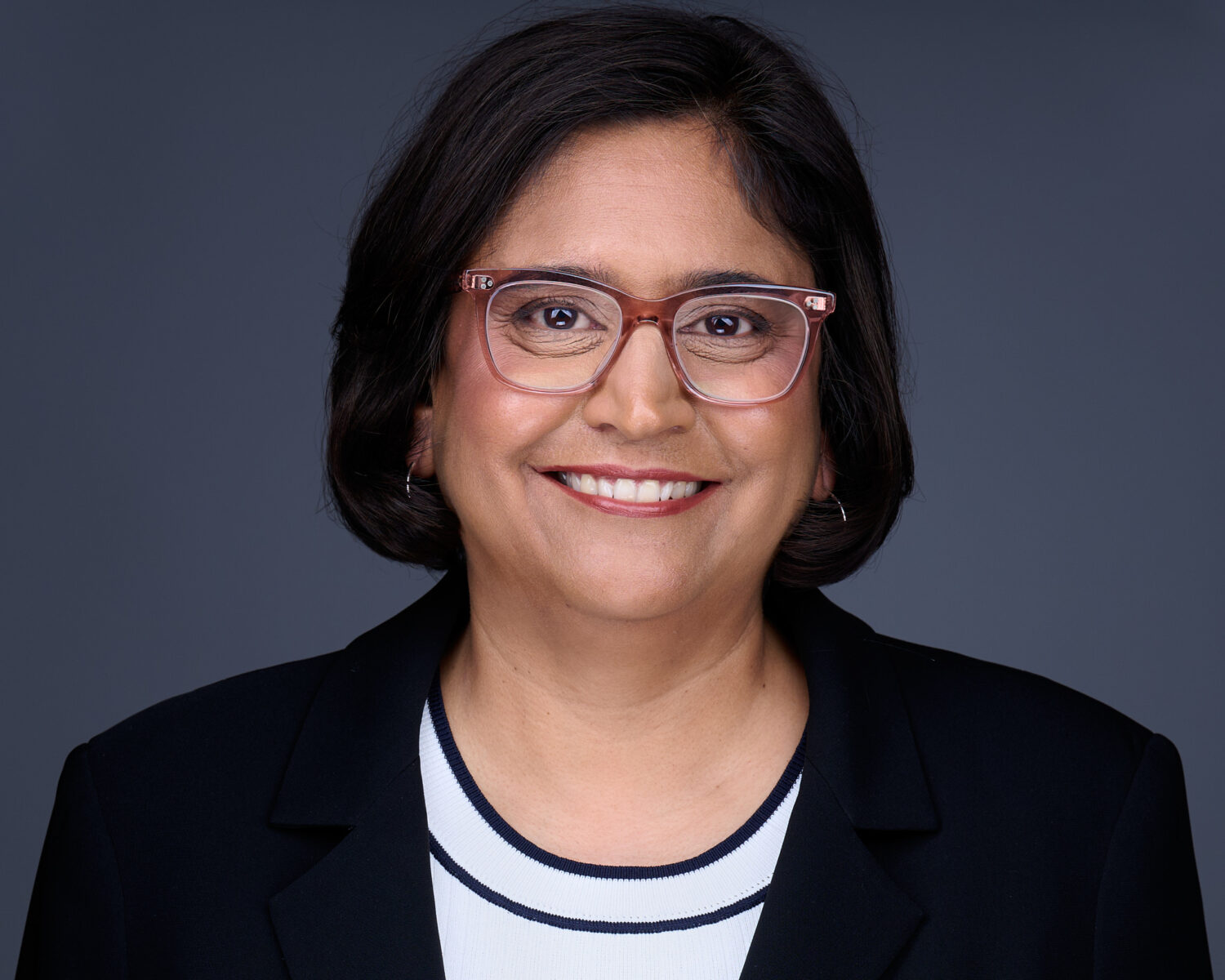
About Tejal Gandhi, M.D.
Tejal Gandhi, M.D., is chief safety and transformation officer at Press Ganey. Tejal is responsible for improving patient and workforce safety and championing Press Ganey’s industry-changing innovations. She leads the zero harm movement and helps healthcare organizations recognize inequity as a type of harm for both patients and the workforce. Tejal also leads the Equity Partnership, a collaborative initiative dedicated to addressing healthcare disparities and the impact of racial inequities on patients and caregivers.
Before joining Press Ganey, Tejal served as Chief Clinical and Safety Officer at the Institute for Healthcare Improvement (IHI), where she led IHI programs focused on improving patient and workforce safety.
