
When cancer treatment fails, physicians face one of the hardest questions in medicine: what should come next?
Having recently cared for a young patient whose cancer had returned despite multiple lines of therapy, it was found that although standard protocols offered several options, none could determine which drug was most likely to work against that child’s specific tumor. That is a reality oncologists face every day: two patients with the same diagnosis can respond very differently to the same treatment.
For patients and families, this can feel like trial-and-error at the very moment when time matters most.
Cancer is not a single disease. Every tumor is biologically unique, shaped by its mutations, microenvironment, and treatment history. Yet even in an era of genomics and digital health, many oncology decisions are still guided by standardized pathways built on population-level evidence rather than direct evidence from an individual patient’s own tumor.
That is beginning to change.
Advances in artificial intelligence, laboratory automation, and functional tumor testing are making it possible to move oncology from “try and hope” to “test and treat.” AI-enabled Functional Precision Medicine (FPM) platforms combine patient-derived tumor testing, genomic and transcriptomic profiling, robotics, and machine learning to help clinicians identify therapies most likely to work for a specific patient, and the evidence speaks for itself.
The Limits of Traditional Precision Oncology
Genomic sequencing has transformed cancer care. It has helped physicians identify actionable mutations and match some patients to targeted therapies with meaningful benefit.
But genetics alone does not always predict response.
Cancer biology is extraordinarily complex. Tumors evolve, develop resistance, and interact with surrounding tissues in ways that are not always captured by sequencing alone. Two patients with similar molecular findings may still have very different treatment outcomes.
Despite advances in genomic sequencing, only a minority of patients ultimately benefit from genome-targeted therapies. A JAMA Oncology analysis estimated that by 2018, only about 8% of patients with advanced cancer were eligible for genome-driven treatment, and fewer than 5% were expected to benefit.
At the same time, oncology now generates more data than any clinician can realistically synthesize alone. Genomics, transcriptomics, pathology, imaging, and clinical history all contribute valuable signals. Artificial intelligence is becoming essential for organizing those signals, identifying patterns, and supporting treatment selection.
Functional Precision Medicine: Testing Tumors Directly
Functional Precision Medicine (FPM) takes a different approach. Instead of relying only on molecular prediction, it tests living tumor cells directly against potential therapies.
Using a patient’s tumor sample, FPM can expose cancer cells to many FDA-approved drugs or combinations outside the body and measure how the tumor responds. Those functional results can then be integrated with genomic and transcriptomic data to generate a ranked list of therapeutic options.
This approach provides something oncology has long needed: direct biological evidence of how an individual patient’s tumor behaves when challenged with treatment.
Early clinical evidence is encouraging. A study published in Nature Medicine reported that patients treated with functionally guided therapy achieved significantly improved outcomes compared with prior treatments. These findings point toward a future in which treatment selection can be guided by observed tumor response rather than statistical likelihood alone.
Why AI and Automation Matter
Functional testing produces enormous volumes of data. A single patient’s tumor may be evaluated across hundreds of drugs, creating thousands of measurements that must be interpreted in the context of molecular findings, prior therapies, and published evidence.
That is where AI becomes indispensable.
Machine learning can integrate multi-omic and functional datasets, detect complex response patterns, and generate ranked therapy options that support clinician decision-making. As more patients are tested, these systems can learn from outcomes and improve over time.
Automation is equally important because reproducibility and quality in a CLIA/CAP lab are essential if functional testing is to scale from promising research into dependable clinical infrastructure.
Together, AI and automation make functional testing more than a laboratory assay. They make it a technology platform for precision decision support.
A New Data Engine for Oncology
The implications extend beyond individual treatment selection.
Functional precision platforms generate structured, patient-level response data across cancer types, drugs, and combinations. When aggregated across many patients, these datasets can reveal patterns of sensitivity and resistance that are difficult to capture in conventional studies alone.
That creates a powerful feedback loop. The same systems that help guide care could also accelerate drug development, identify repurposing opportunities, and support smarter clinical trial design. Instead of static knowledge updated only periodically, oncology could move toward a continuously learning system.
From Try-and-Hope to Test-and-Treat
According to the NIH, more than 600,000 Americans die from cancer each year. For patients whose disease has already failed standard therapy, time is precious, and every treatment decision matters.
Functional precision oncology offers a different model: not sequential guessing, but informed selection; not try-and-hope, but test-and-treat.
Cancer may never have a single cure. But by combining patient-derived tumor testing, AI-driven analytics, and laboratory automation, oncology is moving closer to a future where treatment decisions are guided by the biology of each individual patient.
And for patients facing relapsed disease, that shift could be one of the most meaningful advances in cancer care in decades.
About Dr. Maggie Fader
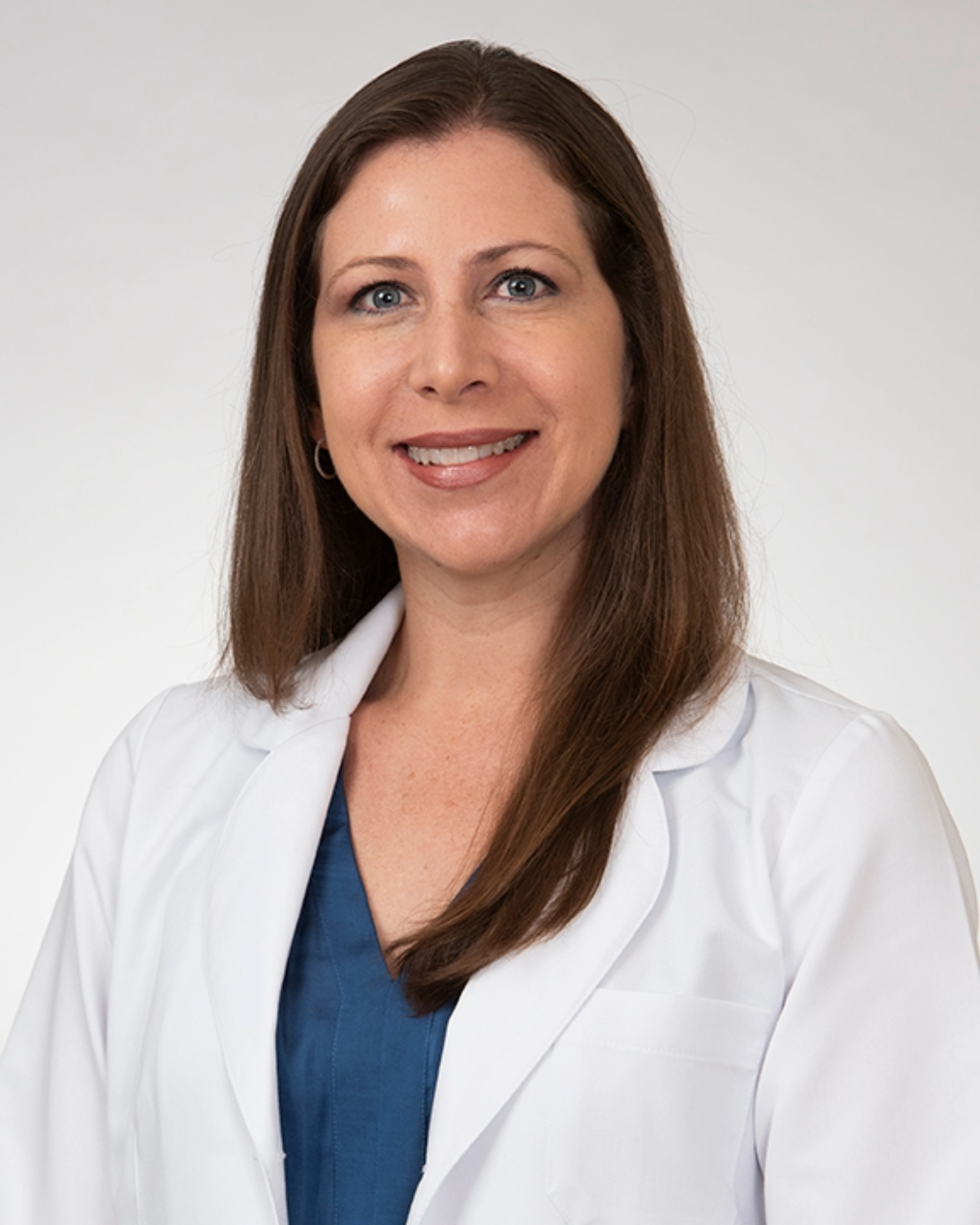
Dr. Maggie Fader is a pediatric Hematologist/Oncologist, the Medical Director of the Sarcoma and Solid Tumor Program, Principal Investigator, and Chief Medical Officer for First Ascent Biomedical. An expert on functional precision oncology and the treatment of children with relapsed or refractory cancers, her work centers on integrating advanced technologies and data-driven approaches to personalize cancer therapy and improve outcomes.
