
As 2026 begins, I’m seeing a clear shift in how care is delivered and how patients expect to participate in it. After years of incremental progress, the industry is finally moving in ways that truly empower patients, lower barriers for innovators, and relieve clinicians from administrative overload. The forces driving this change are unmistakable: AI agents, consumer-first care models, new entrepreneurial pathways, and the decentralization of traditional medical systems. Taken together, healthcare in 2026 will begin operating like a modern digital ecosystem — intelligent, connected and accessible to all. Let’s take a look at how it will shape up.
Consumer-First Care Models Become the Norm
Primary care shortages are reshaping care-seeking behavior and empowering consumers to take the lead. In 2026, we’ll see urgent care centers functioning as de facto primary care providers; virtual-first concierge practices rising in popularity; and patients piecing together their healthcare journey through apps, telehealth programs, and specialist-driven care models. Health systems are no longer the gateway, the consumer is. Patients will choose healthcare the way they choose banking, travel or entertainment: with transparency, convenience, integration and autonomy.
Primary Care Gets Unbundled
The longstanding assumption that primary care must own every aspect of the care journey is dissolving. As shortages accelerate, tasks such as prescription refills, chronic disease follow-up, annual wellness exams, and behavioral screenings are shifting to urgent care clinics, retail health, and virtual-first models. High-volume care settings will become the front door of American healthcare, while specialists, virtual coaches, and AI workflows handle much of the ongoing management. This creates opportunity for integrated systems that bridge all these touchpoints, ensuring continuity even when care originates outside traditional primary care offices.
Outpatient and Home-Based Care Accelerate
Hospitals are rapidly narrowing their focus to the most acute needs. Everything else — infusions, monitoring, rehabilitation, imaging, and urgent evaluations — is migrating to the home or outpatient settings. By 2026, remote monitoring devices, at-home diagnostics, and virtual follow-ups will be the default for many conditions. This shift demands technology that is accessible, interoperable and patient-friendly. Telehealth, home-care scheduling, and integrated remote monitoring will no longer be differentiators; they will be essential infrastructure.
The EHR Becomes a Care Operating System
The EHR of 2026 is not a record — it’s an ecosystem. It connects clinicians to each other, patients to their records, AI agents to workflows, and innovators to distribution. The EHR becomes the central nervous system of care delivery, orchestrating tasks across clinical teams, predicting needs, and ensuring continuity across settings.
Real-World Data Becomes a Core Asset
Real-world data is transitioning from a “nice-to-have” to a strategic asset in research, regulation, and care optimization. By 2026, patient-authorized data sharing will fuel decentralized clinical trials, n-of-1 studies, and condition-specific registries. Community clinics — not just academic centers — will drive discovery by contributing outcomes, biomarkers, and treatment responses.
Healthcare in 2026 could be unrecognizable compared to what existed just a few years ago: decentralized, AI-native, consumer-driven, and ripe for innovation. Platforms that connect clinicians, patients, data and AI into cohesive ecosystems will define the next decade. The winners will be those who empower clinicians, elevate patient experience, and unlock real-world evidence from everyday care.
2026 will not simply be a year of new technologies. It will be the year healthcare becomes truly human again, supported by the intelligence and connectivity we have long needed.
About Pramila Srinivasan, Ph.D.
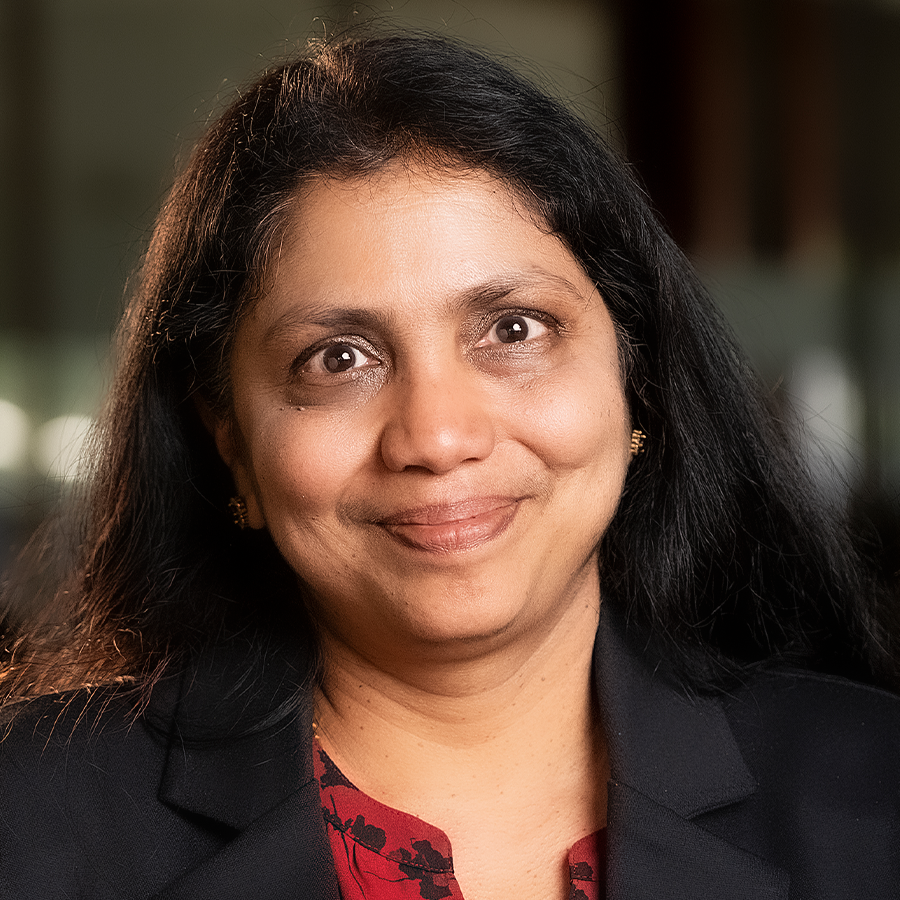
Pramila Srinivasan graduated from Purdue University with a Ph.D. in electrical and computer engineering in 1997. She founded MedicalMine Inc in 2007, inspired by a desire to enable medical establishments, large and small, to access cutting-edge technologies to assist in clinical care and documentation. Building on that success, she founded CharmHealth out of a desire to provide superior cloud-based solutions for practice management, clinical care, and patient engagement.
Prior to this, Dr. Srinivasan worked in research and development in areas of multimedia signal processing algorithms and medical data neural network classification, security algorithms, and speech recognition in startup companies that developed technologies for leading consumer electronics products.
She also serves as president and founder of The BRAIN Foundation, a California non-profit with the mission to accelerate development of FDA-approved therapeutics to benefit individuals with neurodevelopmental disorders.
