

What You Should Know:
– As discussions around significant federal budget changes continue, a new report from One Fair Wage details the potentially severe consequences of proposed Medicaid cuts for low-wage restaurant and tipped workers.
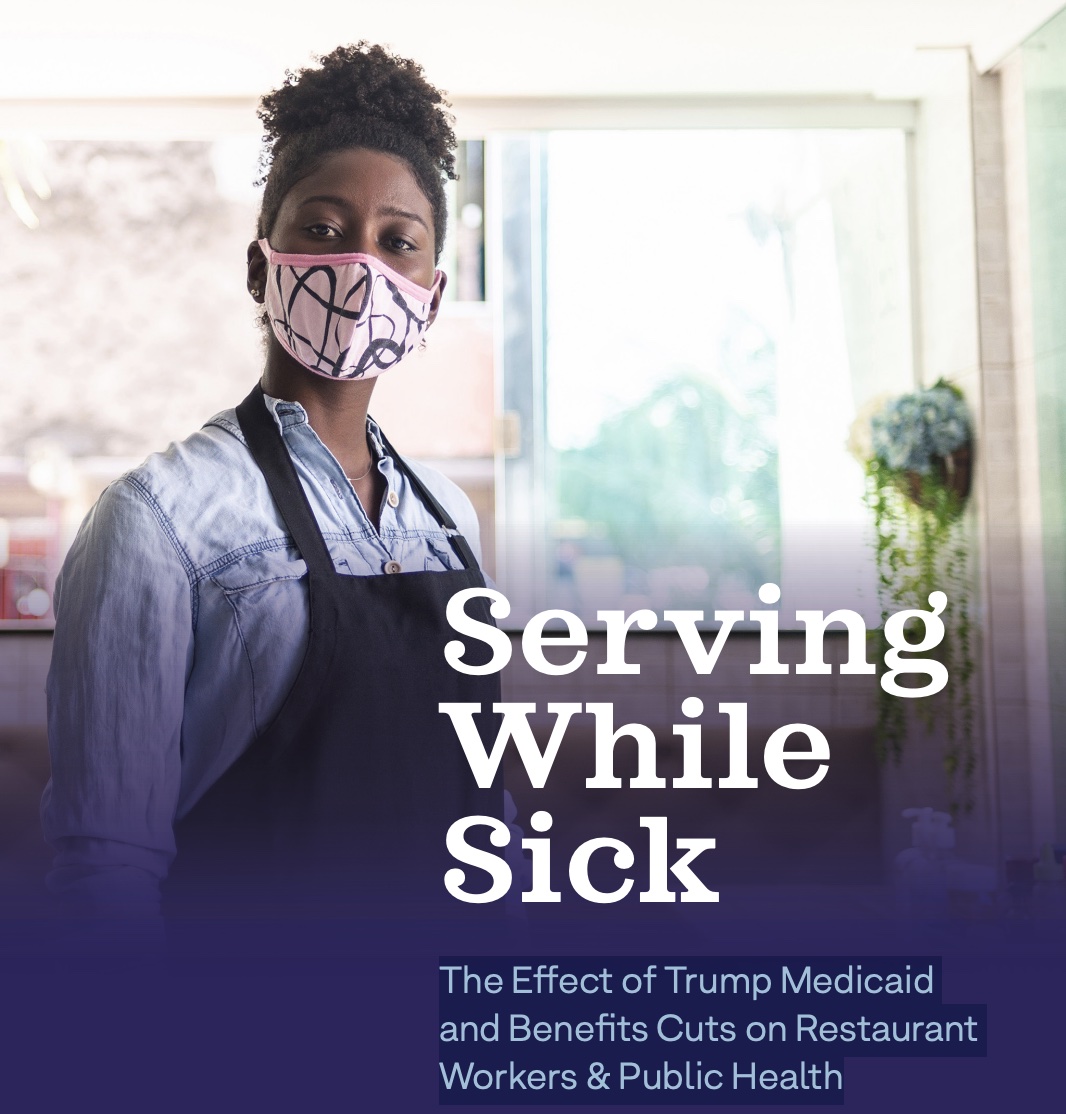
– The report, “Serving While Sick: The Effect of Trump Medicaid and Benefits Cuts on Restaurant Workers & Public Health,” released in May 2025, argues that these cuts could strip healthcare from over a million vulnerable workers, forcing them to choose between their health and their livelihoods, with broader implications for public health.
– The report arrives as proponents are reportedly seeking to advance legislation involving substantial Medicaid reductions. One Fair Wage highlights that such measures are moving forward with minimal debate, hearings, or expert input.
Over 1.2 Million Restaurant & Tipped Workers Face Potential Medicaid Loss
According to the One Fair Wage analysis, if COVID-era Medicaid expansions are fully unwound and the currently proposed budget reconciliation bill is passed, approximately 1.22 million individuals working in tipped and/or restaurant positions could lose their Medicaid coverage by 2034. This figure represents a staggering 45% of the estimated 2.75 million restaurant and tipped workers currently relying on the program.
The report breaks down this potential loss:
- Nearly 400,000 restaurant and tipped workers could lose Medicaid from initial cuts before any work requirements take effect.
- An additional 850,000 workers in these sectors could lose benefits due to proposed work requirements (e.g., 80 hours per month), as One Fair Wage analysis found that 30% of tipped workers and 32% of restaurant workers currently work less than 21 hours a week.
“No Tax on Tips” Proposal Deemed Insufficient Compensation
The One Fair Wage report also scrutinizes a “No Tax on Tips” proposal reportedly included in the same legislative package. While framed by some as a benefit for tipped workers, the analysis concludes it would do little to offset the impact of Medicaid losses.
The report finds that nearly two-thirds (66%) of tipped restaurant workers do not earn enough or live in households that pay federal income taxes, meaning they would see no benefit from the tax exemption on tips. One Fair Wage estimates that even if the tax break applied to all 1.17 million workers in traditionally tipped food service positions, this is still 50,000 fewer workers than the 1.22 million projected to lose Medicaid coverage.
A Disproportionate Impact on an Already Vulnerable Workforce
The report underscores that restaurant and tipped workers are uniquely vulnerable to such cuts. Many earn the federal subminimum wage of $2.13 per hour before tips, a wage structure the report describes as “a direct legacy of slavery.” Consequently, these workers experience poverty at more than double the rate of other workers (16.6% vs. 6.6%) and rely on SNAP (food stamps) at nearly double the rate of the general workforce (17% vs. 9%).
Nationally, 24.42% of restaurant workers are enrolled in Medicaid, compared to 12.65% of all workers. This demographic also saw a greater increase in Medicaid enrollment during the COVID-19 pandemic-era expansions, which provided a critical healthcare safety net.
The Public Health Domino Effect: “Serving While Sick”
The loss of Medicaid for such a significant portion of the restaurant workforce carries dire implications beyond individual hardship. Workers earning low wages without health coverage may be forced to go to work sick, risk falling into medical debt, or forgo necessary medical care altogether.
“Because they serve the general population food, the threat of nearly half of all restaurant workers who rely on Medicaid losing their health care access must be understood as a general public health crisis, and not a health crisis for these workers alone,” the report states. It draws parallels to historical instances where the health of food service workers directly impacted public health, from “Typhoid Mary to the COVID-19 pandemic.”
A Call for State-Level Action: The “One Fair Wage” Solution
While sounding the alarm on federal proposals, the “Serving While Sick” report suggests that state legislatures can take immediate action. It advocates for passing “One Fair Wage” legislation, which would require a full minimum wage for tipped workers, with tips applied on top of that base wage.
