

• Skip to main content
  • Skip to secondary menu
  • Skip to primary sidebar
  • Skip to secondary sidebar
  • Skip to footer

  • Opinion
  • Health IT
    • Behavioral Health
    • Care Coordination
    • EMR/EHR
    • Interoperability
    • Patient Engagement
    • Population Health Management
    • Revenue Cycle Management
    • Social Determinants of Health
  • Digital Health
    • AI
    • Blockchain
    • Precision Medicine
    • Telehealth
    • Wearables
  • Life Sciences
  • Investments
  • M&A
  • Value-based Care
    • Accountable Care (ACOs)
    • Medicare Advantage

Study Confirms mRNA Boosters Extend COVID-19 Protection but Wane Over Time

by Syed Hamza Sohail 03/17/2023 Leave a Comment

  • LinkedIn
  • Twitter
  • Facebook
  • Email
  • Print

What You Should Know:

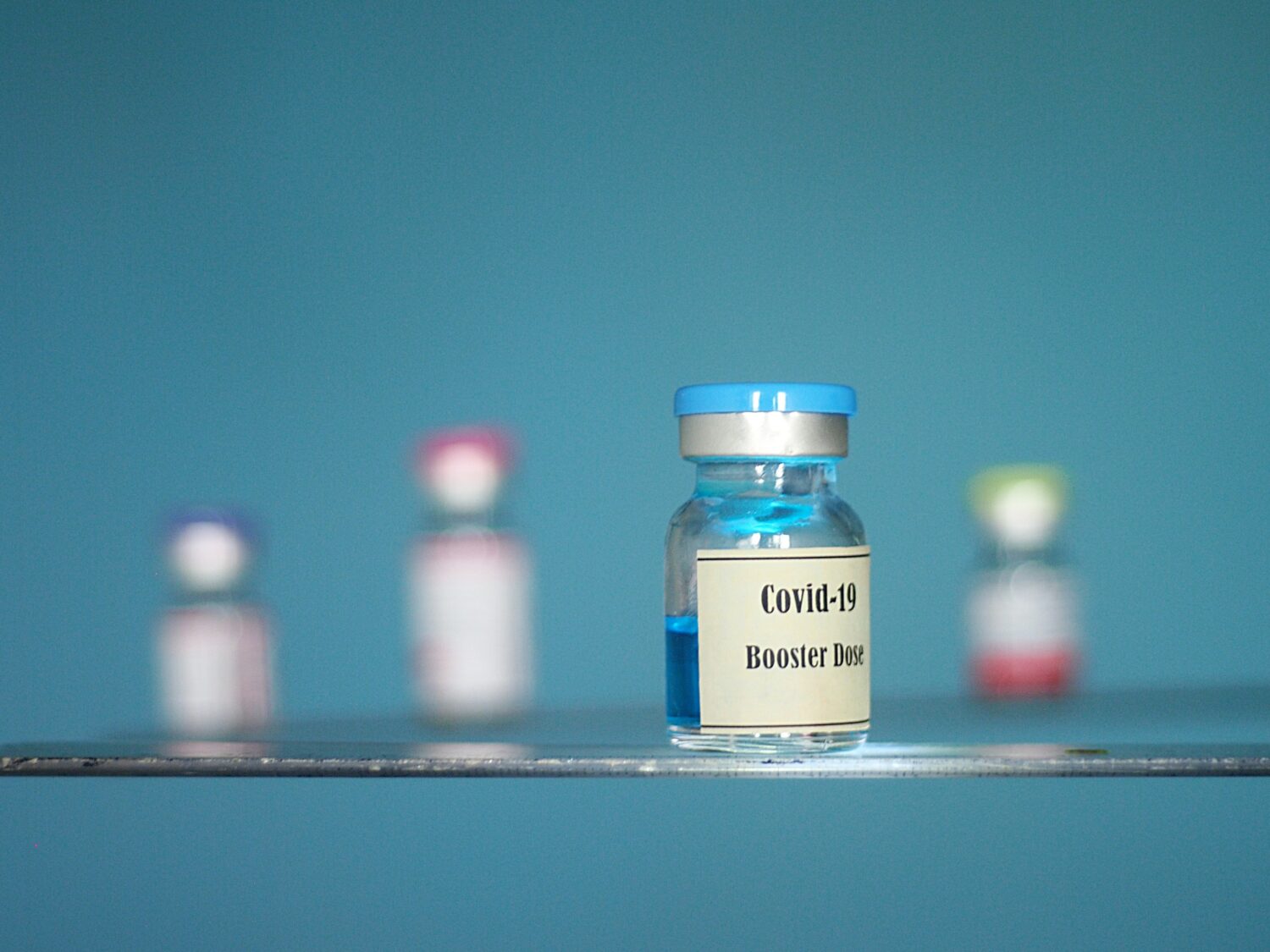
– A nationwide U.S. study of more than 893,000 adults provides solid evidence confirming that mRNA booster immunizations extend protection against moderate and severe COVID for four to five months. 

– These findings, published in The BMJ, provide a more complete understanding of the effectiveness and durability of third and fourth doses of the mRNA vaccines, informing policymakers and providing individuals with confirmation of the importance and value of boosters.

Evidence-Based Research Supports the Need For Additional Boosters

Vaccine effectiveness provided by boosters waned less against severe disease than against moderate disease in all age groups according to the new study which was conducted by the Centers for Disease Control and Prevention’s (CDC) VISION Network.

“While there have been recommendations for booster shots for a while until now we haven’t had strong evidence of their effectiveness and how long that effectiveness lasts,” said study co-author Brian Dixon, Ph.D., of the Regenstrief Institute and Indiana University Richard M. Fairbanks School of Public Health. “In our new study, we looked at tens of thousands of patients in multiple states, seen over a year and a half. Our analysis provides compelling evidence, both of the effectiveness of boosting to increase immunity, and that this immunity begins to wane after four or five months, indicating additional booster doses are necessary.

“The recommendations to get boosted that were issued by the CDC months ago, were, in fact, the right recommendations,” said Dr. Dixon. “Booster doses are necessary to maintain a high level of immunity to severe COVID.”

The bivalent booster, available since early September 2022, targets both historic strains of the SARS-CoV-2 virus and the Omicron variants (BA.4 and BA.5) currently circulating in the U.S. and globally. he authors found that in the Omicron period mRNA vaccine protection against severe COVID-19 was initially high (89 percent) but waned after primary vaccination. Focusing on the durability of boosters against hospitalization, (i.e., severe disease), the study found that effectiveness increased markedly after a booster shot, waning again about four to five months after the booster. Protection increased again following a second booster. The protection and waning pattern with Moderna and Pfizer boosters were similar.

“If it has been four months or longer since your last COVID booster, or if you had the initial two shots and have never received a booster, you should strongly consider a bivalent booster, which targets ancestral strains of the COVID virus plus subvariants Omicron BA.4 and BA.5,” said study co-author Shaun Grannis, M.D., M.S., Regenstrief Institute Vice President for Data and Analytics. “The evidence that boosters can keep you healthy is compelling. Combining a COVID booster with an annual flu shot will help you make it through the respiratory disease season.” Dr. Grannis also is a professor of family medicine at IU School of Medicine.

The BMJ study authors estimate that booster shots to counteract waning could prevent 300 hospitalizations in the U.S. for severe COVID per week.

They note that the strengths of their new study include the “number and diversity of sites and inclusion of outcomes of varying severity as well as a sample size large enough to detect modest waning of vaccine protection.” Cases were compared with controls tested during the same week in the same geographic area, allowing the researchers to distinguish differences in vaccine effectiveness attributable to the waning of vaccine-induced immunity from those attributable to the ebb and flow of variants.

  • LinkedIn
  • Twitter
  • Facebook
  • Email
  • Print

Tagged With: Coronavirus (COVID-19)

Tap Native

Get in-depth healthcare technology analysis and commentary delivered straight to your email weekly

Reader Interactions

Primary Sidebar

Subscribe to HIT Consultant

Latest insightful articles delivered straight to your inbox weekly.

Submit a Tip or Pitch

2026 Predictions & Trends

Healthcare 2026 Forecast: Executives on AI Survival, Financial Reckoning, and the End of Point Solutions

2026 Healthcare Executive Predictions: Why the AI “Pilot Era” Is Officially Over

Most-Read

NYC Health + Hospitals to Acquire Maimonides in $2.2B Safety Net Overhaul

NYC Health + Hospitals to Acquire Maimonides in $2.2B Safety Net Overhaul

KLAS Report: Why Hospitals Are Choosing Efficiency Over 'Agentic' AI Hype in 2025

KLAS Report: Why Hospitals Are Choosing Efficiency Over ‘Agentic’ AI Hype in 2025

Advanced Primary Care 2026: Top 6 Investments for Health Systems According to Harvard Medical School

Advanced Primary Care 2026: Top 6 Investments for Health Systems According to Harvard Medical School

AI Nutrition Labels: The Key to Provider Adoption and Patient Trust?

AI Nutrition Labels: The Key to Provider Adoption and Patient Trust?

Kristen Hartsell, VP of Clinical Services, RedSail Technologies

The Pharmacy Closures Crisis: How Independent Pharmacies Are Fixing Pharmacy Deserts

HHS Launches 'OneHHS' AI Strategy to Integrate AI Across CDC, CMS, and FDA for Efficiency and Public Trust

HHS Launches ‘OneHHS’ AI Strategy to Integrate AI Across CDC, CMS, and FDA for Efficiency and Public Trust

From Overwhelmed to Optimized: How AI Agents Address Staffing Challenges and Burnout in Healthcare

From Overwhelmed to Optimized: How AI Agents Address Staffing Challenges and Burnout in Healthcare

The VBC Paradox: Why Hospitals Are Doubling Down on Value-Based Care While Revenue at Risk Lags

The VBC Paradox: Why Hospitals Are Doubling Down on Value-Based Care While Revenue at Risk Lags

Tebra Secures $250M to Challenge Legacy EHRs with AI-Powered Automation

Tebra Secures $250M to Challenge Legacy EHRs with AI-Powered Automation

AstraZeneca Selects Salesforce Agentforce Life Sciences to Deploy AI-Powered Global Customer Engagement

AstraZeneca Selects Salesforce Agentforce Life Sciences to Deploy AI-Powered Global Customer Engagement

Secondary Sidebar

Footer

Company

  • About Us
  • Advertise with Us
  • Reprints and Permissions
  • Op-Ed Submission Guidelines
  • Contact
  • Subscribe

Editorial Coverage

  • Opinion
  • Health IT
    • Care Coordination
    • EMR/EHR
    • Interoperability
    • Population Health Management
    • Revenue Cycle Management
  • Digital Health
    • Artificial Intelligence
    • Blockchain Tech
    • Precision Medicine
    • Telehealth
    • Wearables
  • Startups
  • Value-Based Care
    • Accountable Care
    • Medicare Advantage

Connect

Subscribe to HIT Consultant Media

Latest insightful articles delivered straight to your inbox weekly

Copyright © 2026. HIT Consultant Media. All Rights Reserved. Privacy Policy |