

• Skip to main content
  • Skip to secondary menu
  • Skip to primary sidebar
  • Skip to secondary sidebar
  • Skip to footer

  • Opinion
  • Health IT
    • Behavioral Health
    • Care Coordination
    • EMR/EHR
    • Interoperability
    • Patient Engagement
    • Population Health Management
    • Revenue Cycle Management
    • Social Determinants of Health
  • Digital Health
    • AI
    • Blockchain
    • Precision Medicine
    • Telehealth
    • Wearables
  • Life Sciences
  • Investments
  • M&A
  • Value-based Care
    • Accountable Care (ACOs)
    • Medicare Advantage

Welltory Raises $1M to Expand Stress Management App

by Jasmine Pennic 08/10/2017 Leave a Comment

  • LinkedIn
  • Twitter
  • Facebook
  • Email
  • Print

Welltory Raises $1M to Expand Stress Management App

Welltory, a New York based digital health startup working on a stress & energy management app, has raised $1 million in seed funding from business angels. The company plans to utilize the funding from the seed round to launch the next version of their app.

Founded in 2014 by co-founders Alexander Lyskovsky, Jane Smorodnikova and Pavel Pravdin, Welltory’s stress and energy management app let users see how lifestyle changes – morning meditation, working from home, or a diet change – affect their stress & energy levels. People can optimize their lifestyles by keeping changes that work and discarding ones that don’t.

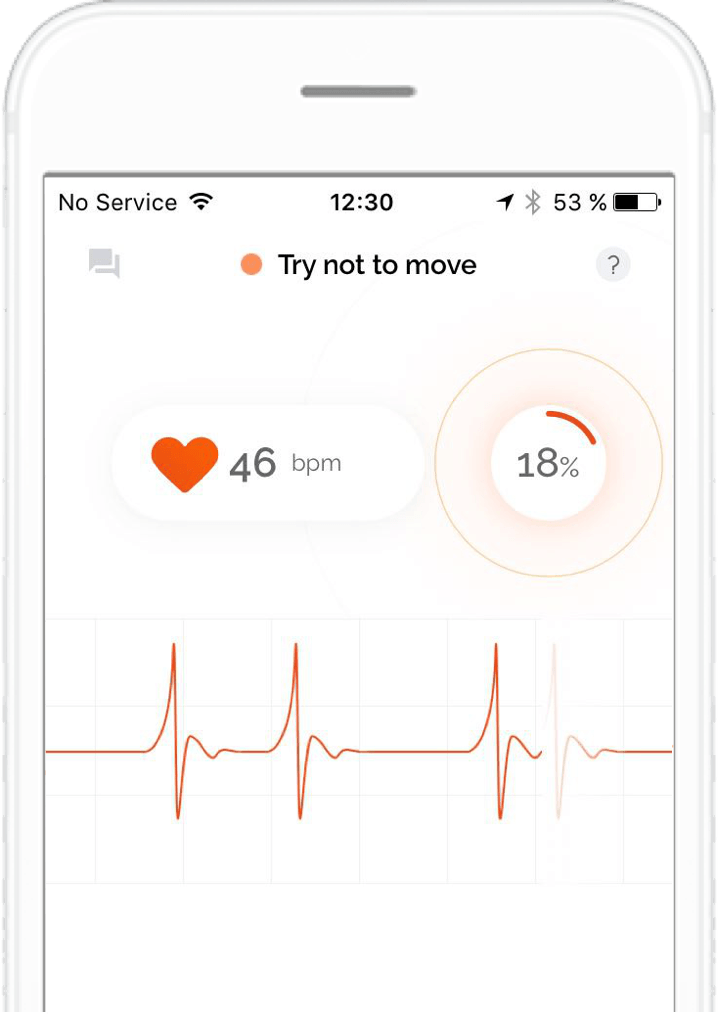
Available on iOS and Android, Welltory applies the same PPG technology found in most pulse oximeters, the app uses the phone’s camera to illuminate blood vessels in a user’s index finger and measure heart rate variability (HRV). Welltory then uses heart rate variability algorithms to assess the state of the autonomic nervous system – the body’s stress and recovery regulation center.

This is how stress & energy levels are calculated. It’s the same technique used by professional athletes, researchers, and healthcare specialists to track health and recovery. For example, the hockey team Red Wings relies on HRV analysis to track training and recovery with Firstbeat. Similarly, NBA players like DeAndre Jordan and Matthew Dellavedova wear HRV-based WHOOPs during games.

The HRV measurements are available for free for any user using the app. Welltory also features a paid version includes a Quantified Self Dashboard, which lets users collect data about their lifestyles and see how different aspects of their lives affect their stress, energy, and productivity levels.

Welltory can be synced with fitness trackers and Fitbits, Apple Health, and Google Fit to collect data about factors like sleep, nutrition, and physical activity. It also supports RescueTime (a productivity tracker), home weather stations that track your surroundings, and more. Over time, the Dashboard starts to generate charts that show correlations. Users can see if walking an extra mile a day helps keep their stress levels down, check how morning meditation sessions affect their productivity, and find out if they have a weather dependency.

“Our goal was to give people a tool that makes sense and shows what all this Quantified Self data means. They can see how their activity influences their stress, how many hours of sleep they need to recover properly, and what lifestyle habits influence their productivity at work.Stress & energy measurements is the key that connects the dots of your lifestyle data and makes it easy to get real insights,” said Jane Smorodnikova, co-founder of Welltory.

To help users get more value from the data, Welltory also provides built-in explanations and videos about how the brain and body work, tasks that teach users how to run lifestyle experiments based on stress & energy data, and in-app chat support with wellness and quantified self specialists.

To date, Welltory currently has 142,000 + users and 1M+ heart rate variability measurements – the largest database of HRV measurements coupled with lifestyle & productivity data. The project’s monthly growth rate amounts to 25-30% in paying users and revenue coming from paid subscriptions.

The company plans to reach 400,000+ installs before the end of this year world wide. Welltory’s focus is to add more data insights and educational content, creating a gamified experience to help hardworking adults find optimal work and sleep schedules, get rid of bad habits, and figure out which workout & relaxation techniques boost their productivity, lower stress, and increase energy levels.

 

  • LinkedIn
  • Twitter
  • Facebook
  • Email
  • Print

Tagged With: Welltory

Tap Native

Get in-depth healthcare technology analysis and commentary delivered straight to your email weekly

Reader Interactions

Primary Sidebar

Subscribe to HIT Consultant

Latest insightful articles delivered straight to your inbox weekly.

Submit a Tip or Pitch

2026 Predictions & Trends

Healthcare 2026 Forecast: Executives on AI Survival, Financial Reckoning, and the End of Point Solutions

2026 Healthcare Executive Predictions: Why the AI “Pilot Era” Is Officially Over

Most-Read

KLAS Report: Why Hospitals Are Choosing Efficiency Over 'Agentic' AI Hype in 2025

KLAS Report: Why Hospitals Are Choosing Efficiency Over ‘Agentic’ AI Hype in 2025

Advanced Primary Care 2026: Top 6 Investments for Health Systems According to Harvard Medical School

Advanced Primary Care 2026: Top 6 Investments for Health Systems According to Harvard Medical School

AI Nutrition Labels: The Key to Provider Adoption and Patient Trust?

AI Nutrition Labels: The Key to Provider Adoption and Patient Trust?

Kristen Hartsell, VP of Clinical Services, RedSail Technologies

The Pharmacy Closures Crisis: How Independent Pharmacies Are Fixing Pharmacy Deserts

HHS Launches 'OneHHS' AI Strategy to Integrate AI Across CDC, CMS, and FDA for Efficiency and Public Trust

HHS Launches ‘OneHHS’ AI Strategy to Integrate AI Across CDC, CMS, and FDA for Efficiency and Public Trust

From Overwhelmed to Optimized: How AI Agents Address Staffing Challenges and Burnout in Healthcare

From Overwhelmed to Optimized: How AI Agents Address Staffing Challenges and Burnout in Healthcare

The VBC Paradox: Why Hospitals Are Doubling Down on Value-Based Care While Revenue at Risk Lags

The VBC Paradox: Why Hospitals Are Doubling Down on Value-Based Care While Revenue at Risk Lags

Tebra Secures $250M to Challenge Legacy EHRs with AI-Powered Automation

Tebra Secures $250M to Challenge Legacy EHRs with AI-Powered Automation

AstraZeneca Selects Salesforce Agentforce Life Sciences to Deploy AI-Powered Global Customer Engagement

AstraZeneca Selects Salesforce Agentforce Life Sciences to Deploy AI-Powered Global Customer Engagement

Aidoc Partners with NVIDIA MONAI to Scale Open-Source Clinical AI

Aidoc Partners with NVIDIA MONAI to Scale Open-Source Clinical AI

Secondary Sidebar

Footer

Company

  • About Us
  • Advertise with Us
  • Reprints and Permissions
  • Op-Ed Submission Guidelines
  • Contact
  • Subscribe

Editorial Coverage

  • Opinion
  • Health IT
    • Care Coordination
    • EMR/EHR
    • Interoperability
    • Population Health Management
    • Revenue Cycle Management
  • Digital Health
    • Artificial Intelligence
    • Blockchain Tech
    • Precision Medicine
    • Telehealth
    • Wearables
  • Startups
  • Value-Based Care
    • Accountable Care
    • Medicare Advantage

Connect

Subscribe to HIT Consultant Media

Latest insightful articles delivered straight to your inbox weekly

Copyright © 2025. HIT Consultant Media. All Rights Reserved. Privacy Policy |