
What You Should Know
- Virtual cardiometabolic provider Vida Health has finalized a nationwide partnership with grocery technology leader Instacart to integrate category-specific grocery stipends into virtual chronic care delivery.
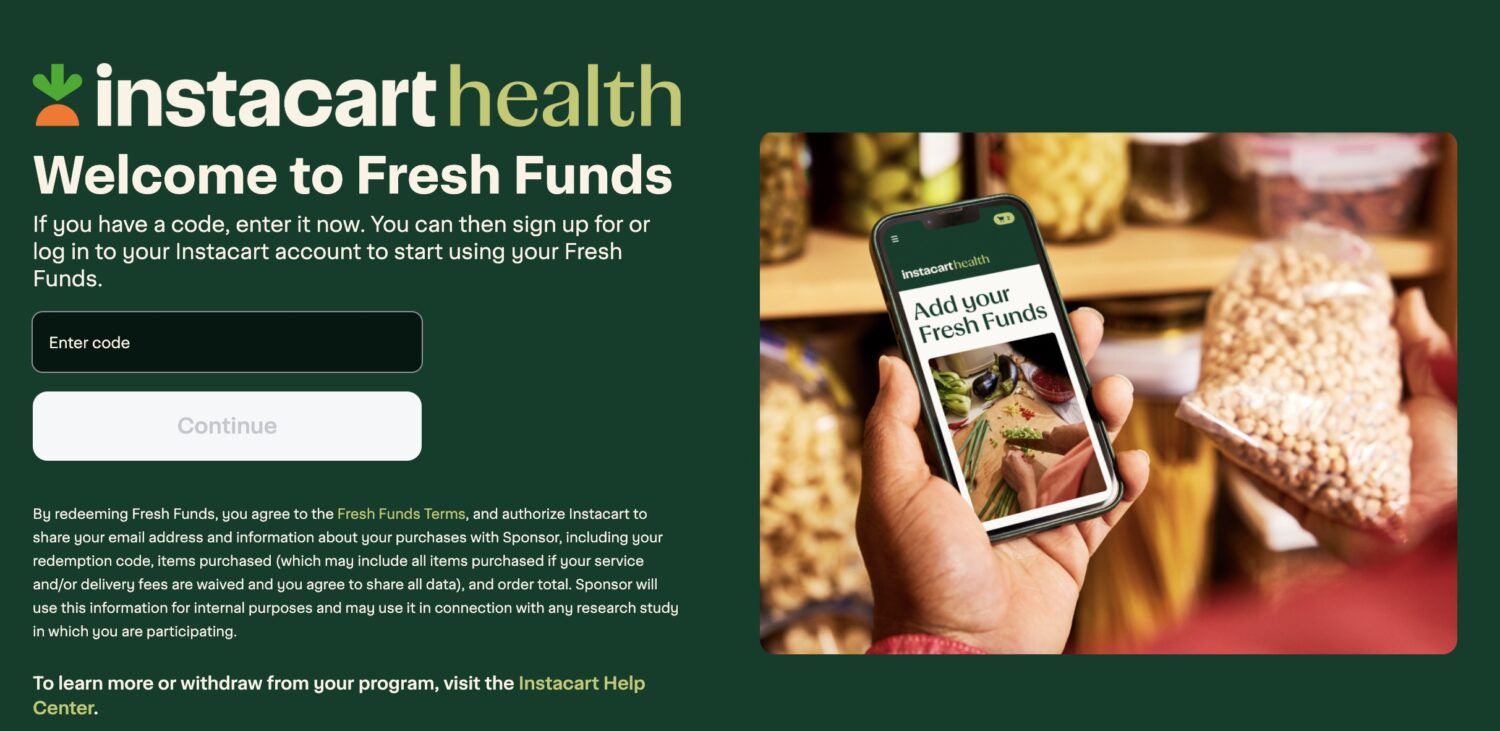
- The collaboration utilizes Instacart Health Fresh Funds to provide members with direct financial stipends dedicated exclusively to purchasing dietitian-approved, nutritious groceries.
- The initiative directly targets the social determinants of health (SDOH), leveraging Instacart’s logistics network which reaches 98% of U.S. households—including 95% of low-income, low-access food deserts.
- Guided by a multidisciplinary team of obesity medicine-certified physicians and registered dietitians, the program delivers culturally sensitive meal plans accounting for budget constraints across more than 25 distinct backgrounds.
- Future infrastructure phases plan to make Vida’s clinical meal plans directly shoppable via the Instacart Marketplace while establishing direct employer subsidization channels within enterprise benefit packages.
Prescribing the Pantry: Why Vida Health and Instacart Are Unifying Food Stipends and EHR Nutrition Loops
The clinical management of chronic cardiometabolic diseases across the United States has arrived at a critical operational crossroads. For decades, the traditional healthcare apparatus has treated metabolic instability, obesity, type 2 diabetes, and severe hypertension through highly isolated, clinical interventions. Frontline physicians and registered dietitians frequently deliver expert nutritional advice during brief patient encounters, advising vulnerable individuals to radically alter their dietary choices. However, once a patient leaves the virtual or brick-and-mortar clinic, this advice routinely collides with harsh socioeconomic realities.
In underserved areas, rural communities, and urban food deserts, accessing fresh, nutritious food is a significant structural barrier. When clinical guidance is completely disconnected from real-world food access, patient compliance drops. Individuals are forced to default back to affordable, processed, ultra-palatables that worsen their metabolic conditions. For self-insured employers, commercial health plans, and risk-bearing provider organizations, this fragmentation leads to an unmanaged cost spiral—driving up avoidable emergency department visits, accelerating chronic disease progression, and eroding the return on digital health investments.
To close this gap between clinical intent and daily nutrition, value-based virtual provider Vida Health has announced a comprehensive nationwide partnership with Instacart. By integrating Instacart Health Fresh Funds directly into its virtual cardiometabolic workflows, Vida is transforming passive medical advice into a highly accessible, financially incentivized system of action.
Activating Fresh Funds to Bypass the Food Desert Barrier
The core operational mechanism driving the Vida-Instacart partnership is the deployment of Instacart Health Fresh Funds. These are category-specific grocery stipends provided to Vida members, allowing them to instantly purchase the exact dietary recommendations outlined by their care teams. Rather than forcing low-income or food-insecure individuals to absorb the high out-of-pocket costs of specialized diets, this stipend architecture lowers the financial barriers that historically derail nutritional adherence.
This logistical workflow is supported by Instacart’s extensive North American delivery network, which connects with more than 2,200 retail banners representing nearly 100,000 local stores. Instacart’s infrastructure reaches more than 98% of all U.S. households, crucially including 95% of areas formally designated as low-income and low-access food deserts. By pairing same-day home delivery with flexible, destination-restricted funds, the collaboration removes the geographic and transportation barriers that commonly impede rural and underserved patient populations.
Amy Mushlin, Chief Clinical and Member Service Officer at Vida Health, emphasized that building healthy lifestyle habits demands far more than raw clinical information. It requires empathetic, culturally relevant guidance combined with immediate, physical access to nutritious options. By syncing with Instacart, the specific adjustments suggested by dietitians and health coaches become instantly actionable at the point of purchase, allowing members to safely execute impactful lifestyle modifications.
Culturally Grounded Navigation and the Value-Based Continuum
Vida’s virtual cardiometabolic platform functions on a whole-person, multidisciplinary care model delivered in both English and Spanish across all 50 states and Washington, D.C.. Its clinical network—comprising obesity medicine-certified physicians, registered dietitians, licensed therapists, and expert coaches—is engineered to manage patients across the complete acuity spectrum. To ensure long-term engagement, Vida’s dietitians design culturally sensitive nutritional pathways that incorporate flavor profiles and culinary traditions spanning more than 25 distinct cultural and ethnic backgrounds while adjusting for localized store availability and household budget realities.
The integration with Instacart is systematically designed to scale across multiple strategic phases. The initial rollout focuses heavily on immediate member activation and engagement, linking Vida’s clinical protocols directly to Instacart’s online ordering network. Subsequent deployment phases will allow dietitian-developed, disease-specific meal plans to be directly shoppable with a single click inside the app. Furthermore, the organizations are actively exploring employer-subsidized food access models to integrate these programs directly into commercial enterprise benefit structures. This maps out a future where personalized nutrition support and grocery logistics function as unified components of enterprise cardiometabolic care.
