
What You Should Know
- The Funding: Kitchener, Ontario-based health-tech startup myStoria has closed a $1.625M seed funding round led by Graphite Ventures, with participation from Conexus Venture Capital and others.
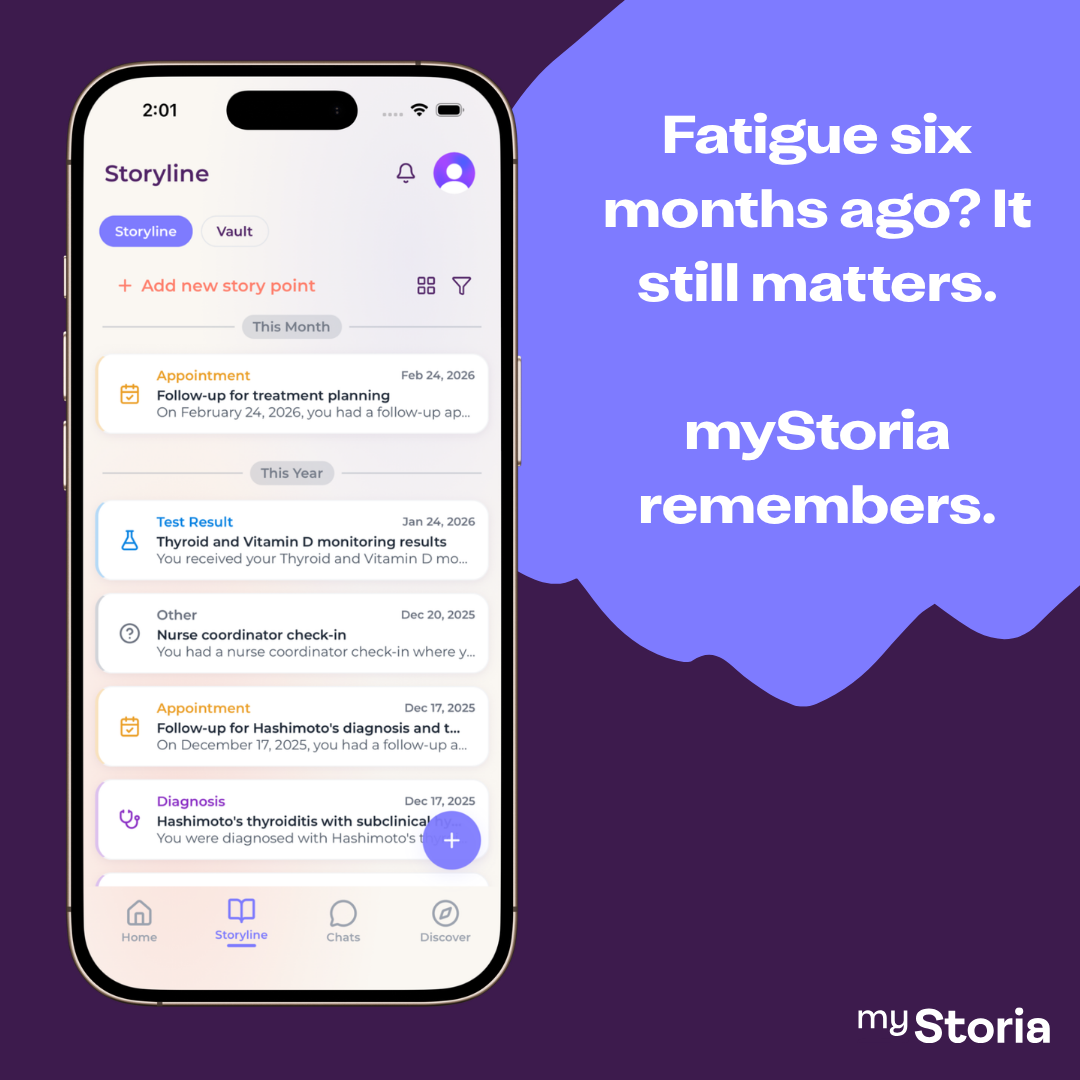
- The Solution: myStoria is a mobile-first (iOS/Android) platform that acts as an intelligent “Context Engine.” It organizes a user’s messy health history (documents, audio, photos, symptoms) into a structured format optimized for AI comprehension, ensuring nothing is missed during a 12-minute doctor’s appointment.
The Core Problem
The healthcare system is deeply fragmented. When a patient receives a complex diagnosis, they are forced to become their own medical historian, project manager, and care coordinator. This “infrastructure gap” is especially severe in reproductive health, where conditions like endometriosis can take 7 to 10 years to diagnose due to symptom dismissal.
“Nobody has ever built for the patient,” noted Jessica Chalk, Founder and CEO of myStoria. “We are not fighting the system, we’re building the layer that was always missing from it.”
The “Context Engine”
The platform is built around a proprietary “Context Engine.” Patients dump their fragmented medical reality into the app—audio notes, photos of lab results, daily symptom logs. The AI then synthesizes this raw data into structured, clinical patterns.
Crucially, myStoria recognizes the limits of pure AI in healthcare. The platform utilizes a human-in-the-loop model. While the AI synthesizes the data for free, users can pay a low monthly subscription ($19/month) to have real, trained healthcare professionals review their “Whole Story” and provide actionable guidance before they ever step foot in a doctor’s office.
Freemium Business Model
The platform operates on a “freemium” model and is now on iOS and Android and at mystoria.com. . The AI guidance and health record organization (The Vault) are free. For $19 per month, users gain access to “human-in-the-loop” trained professionals who can review their complete story and offer guidance without waitlists or referrals.
The Strategic Wedge
myStoria is launching with a focus on the reproductive health lifecycle (fertility, PCOS, endometriosis, perimenopause). However, the long-term vision is to become the definitive, patient-owned infrastructure layer for all complex, chronic care navigation (e.g., oncology, autoimmune diseases).
But as Chalk notes, the structural gap they are solving is not condition-specific. A patient navigating a cancer diagnosis or a rare autoimmune disease faces the exact same disconnected chaos. Through the utilization of reproductive health to perfect their AI-driven context engine, myStoria is quietly building the foundation to become the primary, lifelong navigation layer for all of complex healthcare.
