
Exclusive pumping, also known as EP, is a method where moms feed their baby only breast milk using a pump instead of nursing directly. For mothers looking to successfully follow this approach, understanding exclusive pumping and having the right tools is essential. Using a reliable breast pump for exclusive pumping can help maintain supply, improve comfort, and make the process more efficient.
With a proper routine, equipment, and troubleshooting knowledge, exclusive pumping becomes manageable and sustainable. This guide will help you develop a personalized EP strategy that fits your lifestyle, supports milk production, and keeps both mom and baby happy.
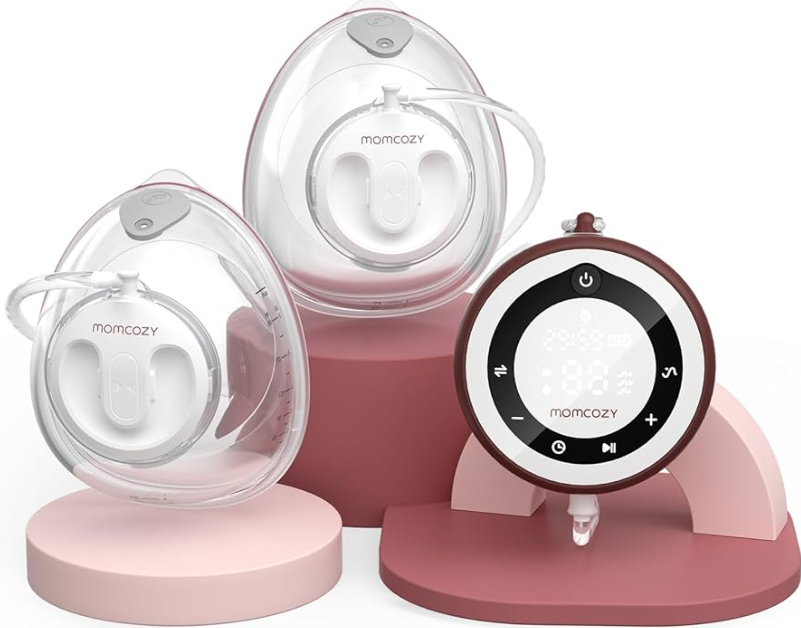
What Are the Foundations of Exclusive Pumping (EP)?
Exclusive pumping requires intention and structure because you are replicating what a nursing baby does naturally—stimulate milk, empty the breast, and maintain supply. Understanding these foundations sets you up for long-term success.
EP Requires a Strong Pumping Routine
Consistency is key. Most moms pump 8–12 times a day in the early weeks to match a newborn’s frequent feeding schedule.
The Right Equipment Matters
A reliable breast pump for exclusive pumping makes a massive difference in comfort and milk output. Double electric or wearable pumps are best because they:
- Empty both breasts quickly
- Maintain strong, steady suction
- Reduce the physical strain of long-term EP
Accessories like flange sizes, extra valves, and milk storage bags also help streamline your routine.
Understanding Milk Production
Milk production operates on a supply-and-demand system. The more frequently and thoroughly you empty your breasts, the stronger the signal your body receives to produce more milk. Conversely, skipped sessions or incomplete emptying can lead to reduced supply over time. Other factors that influence milk production include:
- Hormonal balance: Prolactin and oxytocin are critical for milk synthesis and let-down. Consistency in pumping helps regulate these hormones.
- Hydration and nutrition: Adequate fluid intake and a balanced diet support your body’s ability to produce milk.
- Stress levels: High stress can interfere with let-down, so maintaining a calm environment is important.
- Pump quality and technique: Using a reliable pump and ensuring proper flange fit can maximize milk removal and stimulate production efficiently.
Planning Your Time
Exclusive pumping requires dedicated moments in your day. Effective planning can make EP more manageable and less stressful:
- Set a predictable EP schedule: Most EP moms aim for 8–12 sessions per 24 hours, spacing them roughly every 2–3 hours during the day and including one or two night sessions.
- Coordinate with your baby’s routine: Align pumping sessions with your baby’s feeding times to maintain supply and avoid engorgement.
- Include breaks and self-care: Factor in rest, hydration, and nutritious meals to support long-term milk production.
- Prepare in advance: Have all pump parts cleaned and ready, and consider using a hands-free pumping bra to allow multitasking or relaxation while pumping.
How to Create a Sustainable EP Pumping Schedule
A great pumping schedule is consistent but flexible. The ideal structure changes as your baby grows:
Weeks 1–6: Build Supply
- Pump 8–12 times per day
- No more than 3–4 hours between sessions
- 1 overnight pump for supply maintenance
- Sessions: 20–30 minutes
Months 2–3: Maintain Supply
- Pump 7–9 times per day
- Keep one night session
- Sessions: 15–25 minutes
Months 4–6: Adjust Based on Output
- Pump 6–8 times per day
- Night session optional if supply is steady
- Sessions: 20–30 minutes
6 Months and Beyond: Customize Routine
- Pump 4–6 times per day
- Optional night pumps if supply dips
- Adjust based on solids introduction
Pro Tips:
- Use hands-free or wearable pumps
- Cluster pump during busy periods
- Keep spare pump parts at work or in the diaper bag
How to Troubleshoot Low Supply in EP
Low supply is common but often solvable.
Step 1: Check Pump and Parts
- Replace valves/duckbills every 2–4 weeks
- Ensure correct flange size
- Clean all parts thoroughly
- Charge pump fully
Step 2: Increase Frequency Temporarily
- Add 1–2 extra sessions for a short boost
- Pump every 2–2.5 hours
- Keep an overnight pump for a week
Step 3: Try Power Pumping
- Pump 20 minutes, rest 10, pump 10
- Do once daily for 3–7 days
Step 4: Use Heat and Massage
- Warm compress 5–10 minutes before pumping
- Gentle breast massage during pumping
- Light breast compressions near the end of the session
Step 5: Hydration, Nutrition & Stress
- Drink plenty of water
- Eat balanced meals
- Take short breaks and manage stress
Step 6: Check for Hormonal Causes
- Return of periods
- Birth control changes
- Illness or dehydration
- Consult IBCLC if dips are persistent
Why Consistency Is the Key to Long-Term EP Success
Consistency is the cornerstone of exclusive pumping (EP). Unlike direct breastfeeding, where the baby’s nursing naturally stimulates milk production, EP relies entirely on scheduled pumping sessions to maintain supply. Sticking to a regular routine:
- Replaces a baby’s nursing pattern: Consistent pumping mimics natural feeding rhythms, keeping prolactin and oxytocin levels steady to maintain a reliable milk supply.
- Creates predictability: A structured schedule helps your body anticipate milk removal, reducing fluctuations in output and making supply more predictable.
- Reduces stress: Missing sessions can lead to engorgement, discomfort, or a sudden dip in production. A consistent routine minimizes these physical and emotional stressors.
- Supports long-term EP: Combining a high-quality pump, proper hydration, balanced nutrition, and regular sessions ensures that milk production remains stable over time. Over the long term, consistency also allows you to track supply trends, make gradual adjustments, and prevent burnout.
Ultimately, reliability and persistence are what allow EP moms to successfully meet their babies’ nutritional needs while maintaining their own comfort and health.
Summary
Exclusive pumping is a rewarding yet demanding approach to feeding your baby, requiring dedication, planning, and the right equipment. By understanding the foundations of EP, creating a sustainable pumping schedule, and addressing common supply challenges, mothers can maintain a steady milk supply while supporting their own well-being. Using a reliable breast pump for exclusive pumping ensures comfort, efficiency, and consistency, which are crucial for long-term success.
Consistency remains the key factor for exclusive pumping success. Regular pumping sessions, proper technique, and attention to hydration, nutrition, and rest help mimic natural nursing patterns and stabilize milk production. With patience, persistence, and thoughtful planning, exclusive pumping moms can confidently provide their babies with the benefits of breast milk while creating a manageable, structured feeding routine.
