
What You Should Know:
– The University of Rochester Medical Center (URMC) and GE HealthCare have established a seven-year Care Alliance to enhance system-wide efficiencies and patient access.
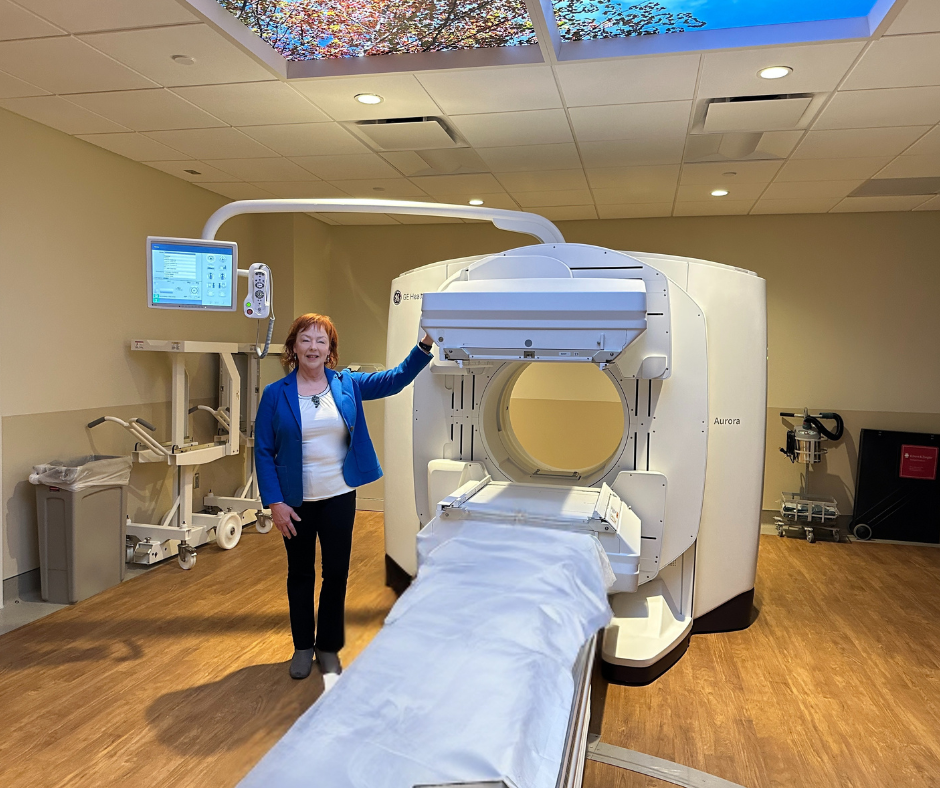
– The partnership will deploy new, AI-enabled imaging solutions, including one of the first Aurora SPECT/CTs in the U.S., and standardize patient monitoring with the Carescape™ platform. Crucially, URMC is working to acquire an on-site cyclotron to enable in-house production of radioisotopes for advanced theranostics and precision medicine programs in oncology.
URMC and GE HealthCare Invest in Precision and Efficiency
The University of Rochester Medical Center (URMC) and GE HealthCare are deepening their long-standing relationship with the announcement of a multi-faceted, seven-year Care Alliance. This collaboration is designed to build advanced capabilities across URMC’s entire footprint in upstate New York, focusing on three strategic pillars: advanced imaging, theranostics, and system-wide patient monitoring standardization.
The Care Alliance aims to implement efficiencies that will decrease burdens on IT, biomed, and clinicians, ensuring patients in the Finger Lakes region receive exceptional and consistent care closer to home.
“We are excited to work with URMC to enable the future of healthcare through our Care Alliance, combining advancements in AI technology, precision care, innovative care pathways, data, and insights to deliver efficient care in the communities where their patients live,” said Shane Penzone, Market Vice President at GE HealthCare.
Imaging Sciences: A Center of Excellence
The partnership directly supports URMC’s Imaging Sciences center of excellence strategy through the significant addition of advanced diagnostic imaging solutions.
The technology deployment includes:
- In-Place MRI Upgrades: Existing MRI systems will receive in-place upgrades, alongside the delivery of new MRI systems featuring on-device AI applications designed to reduce imaging noise and decrease time spent on the scanner.
- US-First Technology: URMC will install one of the first Aurora SPECT/CTs in the U.S., a dual-energy CT capable of single heartbeat cardiac scans.
- Ongoing Modernization: The Continuum+ package ensures ongoing software upgrades as technology becomes available, minimizing the need for new construction, reducing downtime, and supporting environmental responsibility.
Powering Precision Medicine with On-Site Isotope Production
A core component of the alliance is the commitment to advancing URMC’s radiopharmaceutical and theranostics program, which is transforming diagnostic and treatment options for oncology patients.
URMC is working to acquire an on-site cyclotron to enable the in-house production of short-lived radioisotopes. This localized access is critical for patients with aggressive diseases like cancer, as it helps avoid disruptions in treatment schedules.
- Theranostics: Theranostics combines diagnostic imaging and targeted therapy. Diagnostic tracers attach to specific disease cells and provide detailed molecular information for individualized treatment planning.
- Targeted Treatment: This approach allows physicians to target specific receptors on cancer cells, delivering radiation precisely to tumors while sparing surrounding healthy tissue. The use of PSMA PET scans for prostate cancer detection and targeted therapy is a key example of this advancement.
Standardization to Fight Alarm Fatigue
The Care Alliance will see the full standardization of patient monitoring across URMC, covering bedside monitors, telemetry, central monitoring, and networking. This deployment will leverage solutions from the GE HealthCare Carescape™ monitoring portfolio, including Carescape ONE patient monitors powered by the Carescape Canvas monitoring platform.
Standardization is intended to improve operational efficiency and the quality of care. By optimizing alarm systems and data display, the platform aims to help clinicians reduce alarm fatigue, leading to enhanced clinical decision-making and improved patient safety. The Carescape platform also simplifies workflows and offers backward and forward compatibility, helping the health system adopt new technology while protecting existing investments.
