
• Skip to main content
  • Skip to secondary menu
  • Skip to primary sidebar
  • Skip to secondary sidebar
  • Skip to footer

  • Opinion
  • Health IT
    • Behavioral Health
    • Care Coordination
    • EMR/EHR
    • Interoperability
    • Patient Engagement
    • Population Health Management
    • Revenue Cycle Management
    • Social Determinants of Health
  • Digital Health
    • AI
    • Blockchain
    • Precision Medicine
    • Telehealth
    • Wearables
  • Life Sciences
  • Investments
  • M&A
  • Value-based Care
    • Accountable Care (ACOs)
    • Medicare Advantage

Blood Sugar Monitoring Devices Pose Wearability & Use Problems for Older Diabetic Adults & Caregivers

by Syed Hamza Sohail 02/09/2023 Leave a Comment

  • LinkedIn
  • Twitter
  • Facebook
  • Email
  • Print
Blood Sugar Monitoring Devices Pose Wearability & Use Problems for Older Diabetic Adults & Caregivers

What You Should Know:

– In an initial trial of continuous glucometer use, faulty device adhesive — a serious wearability challenge — and patient difficulty in interpreting graphs produced by the device, were noted. In a subsequent trial, 70 older adults with diabetes wore glucometers and activity monitors and used smartphones and electronic medication bottles to track and manage blood sugar over a two-week period.

– Among these 70 patients, two-thirds of whom were African American and more than half of whom were female, nearly one in four indicated that prior to the study, they had not checked blood sugar.

Problems and Impacts of Blood Sugar Monitoring Devices For the Elderly

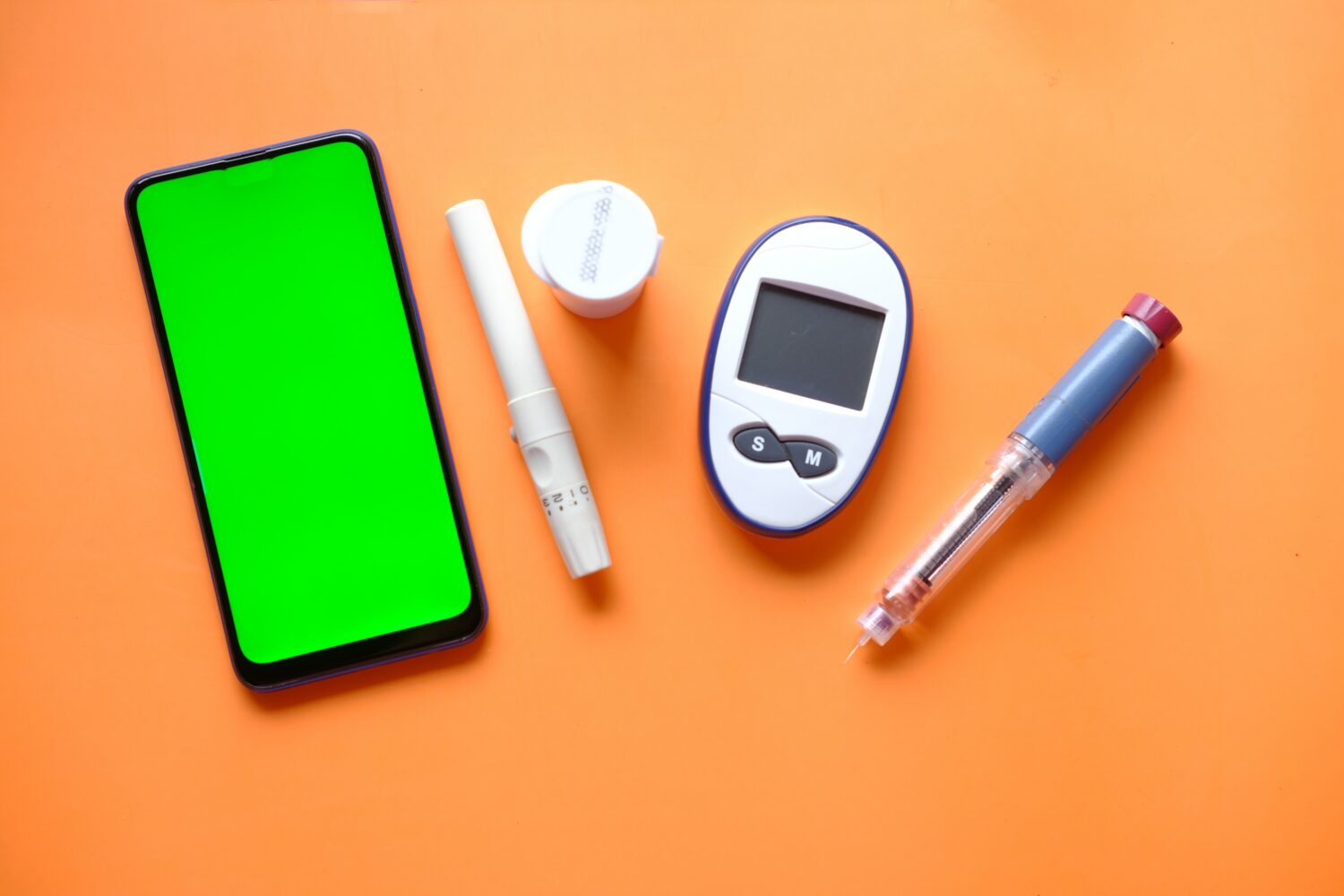
A study conducted by Regenstrief Institute research scientists to examine the use, by older adults with Type 1 or Type 2 diabetes, of continuous glucose monitors and other wearable devices to assess and manage low blood sugar, has found that these tools pose both wearability and use problems for patients and their caregivers.

Diabetes is more common in the older population than the general population, with as many as one in five older adults having the disease. Hypoglycemia, also known as low blood sugar, is especially common in people with diabetes because of their medical condition as well as the treatment that they receive for it. Both diabetes and hypoglycemia convey independent risks for dementia. Diabetes confers approximately a two-fold increased risk of dementia. The frequency of low blood sugar episodes among people with diabetes adds to the risk of dementia, independently.

Among the major findings of the study:

1. Study participants found glucose monitors and other wearable devices tricky to use, suggesting a need for device manufacturers to improve the wearability and usability of the devices.

2. Study participants were very interested in understanding their numbers (such as glucose levels) and the implications of these numbers.

3. Nearly three-quarters of the study participants had low blood sugar (hypoglycemia), suggesting the need for monitoring devices to lead to more direct and effective management of blood sugar among older adults.

“That 73 percent of those in our study had low blood sugar is extremely concerning because hypoglycemia should always be addressed.

“Although a smartphone is very commonly used with continuous glucometers, we found that when we issued smartphones to study participants, they often didn’t carry the phones with them, contributing to the fact that, during the study, one-third of daytime phone prompts about medications, behaviors, and symptoms were ignored,” said Dr. Weiner. “And while I think there is a lot of future potential to use electronic medication bottles, we found study participants didn’t use them correctly or didn’t appropriately transfer their oral medications to the bottles.”

“Continuous Glucose Monitoring and Other Wearable Devices to Assess Hypoglycemia among Older Adult Outpatients with Diabetes Mellitus” is published in the peer-reviewed Applied Clinical Informatics. The study was supported by the Agency for Healthcare Research and Quality.

  • LinkedIn
  • Twitter
  • Facebook
  • Email
  • Print

Tagged With: Caregivers, dementia, diabetes, Diabetes Management, medication, risk, Type 2 Diabetes

Tap Native

Get in-depth healthcare technology analysis and commentary delivered straight to your email weekly

Reader Interactions

Primary Sidebar

Subscribe to HIT Consultant

Latest insightful articles delivered straight to your inbox weekly.

Submit a Tip or Pitch

Featured Insights

Aligning IT & Clinical Teams: How to Reduce Friction and Improve Communication

Most-Read

CB Insights Q2 2026 State of Digital Health Report: Fewest Deals in Over a Decade as Median Sizes Rise

CB Insights Q2 2026 State of Digital Health Report: Fewest Deals in Over a Decade as Median Sizes Rise

mount-sinai-launches-epic-chart-with-art-nursing-ambient-ai

Mount Sinai Medical Center Extends Epic’s Ambient AI to Inpatient Nursing

M&A: Tempus AI to Acquire Personalis for $1.5B to Expand Precision Oncology and MRD Monitoring

M&A: Tempus AI to Acquire Personalis for $1.5B to Expand Precision Oncology and MRD Monitoring

Why Brain Health Is Entering Its Infrastructure Era

Brain Health’s Infrastructure Era: Proving Clinical Outcomes with Integrated Neuromotor Tracking

Why Catholic Health Inked a $500M Care Alliance with GE HealthCare to Automate Outpatient Triage

Catholic Health Inks $500M Care Alliance with GE HealthCare to Automate Outpatient Triage

KLAS Global HIT Trends 2026 Report: Artificial Intelligence Becomes the Top Investment Priority

KLAS Global HIT Trends 2026 Report: Artificial Intelligence Becomes the Top Investment Priority

Optum Partners with Anthropic to Deploy Claude Across Healthcare Claims and Revenue Workflows

Optum Partners with Anthropic to Deploy Claude Across Healthcare Claims and Revenue Workflows

Rock Health H1 2026 Digital Health Funding Recap: Startups Hit $7.4B in Venture Rebound

Rock Health H1 2026 Digital Health Funding Recap: Startups Hit $7.4B in Venture Rebound

M&A: ResMed to Sell MatrixCare Business to Frazier Healthcare Partners for $450M

M&A: ResMed to Sell MatrixCare Business to Frazier Healthcare Partners for $450M

The Real Risk in Healthcare AI Isn’t the Model. It’s the Data. 

Clinical Data Fidelity: The Real Blindspot in Healthcare AI Strategy

Secondary Sidebar

Footer

Company

  • About Us
  • 2026 Editorial Calendar
  • Advertise with Us
  • Reprints and Permissions
  • Op-Ed Submission Guidelines
  • Contact
  • Subscribe

Editorial Coverage

  • Opinion
  • Health IT
    • Care Coordination
    • EMR/EHR
    • Interoperability
    • Population Health Management
    • Revenue Cycle Management
  • Digital Health
    • Artificial Intelligence
    • Blockchain Tech
    • Precision Medicine
    • Telehealth
    • Wearables
  • Startups
  • Value-Based Care
    • Accountable Care
    • Medicare Advantage

Connect

Subscribe to HIT Consultant Media

Latest insightful articles delivered straight to your inbox weekly

Copyright © 2026. HIT Consultant Media. All Rights Reserved. Privacy Policy |