
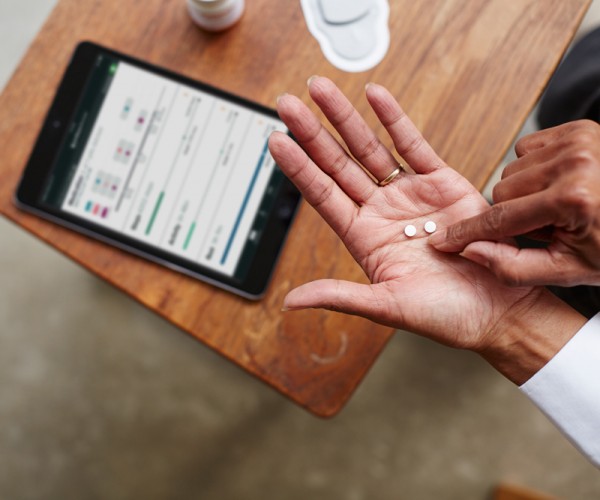
The ingestible sensor market is expected to grow from $198 million in 2015 to $678 million by 2022, at a CAGR of 20.2% between 2016 and 2022, according to a new report from MarketsandMarkets. The medical vertical is expected to dominate this segment as ingestible sensors represent the next phase in the evolution of digital health. Ingestible sensors are used in capsule endoscopy, patient monitoring and controlled drug delivery applications. This report aims at estimating the current market size and future growth potential of the ingestible sensor market. The base year considered for this study is 2015, and the market forecast is given for the period between 2016 and 2022.
The key drivers for the ingestible sensor market are real-time patient monitoring, medication adherence, rising number chronic disease cases and accuracy in performing invasive diagnosis tests. An estimated average of 50% of patients with chronic diseases in developed countries do not take medicines as prescribed, possibly limiting the effectiveness of those medicines.
In the U.S., this may result in an estimated $100-300 billion in avoidable healthcare costs due to direct costs such as unnecessary escalation of treatment as well as indirect costs.[1],[2] In mature markets such as North America and Europe, the growing number of gastroparesis cases, government policies controlling the healthcare expenditure and awareness toward ensuring medication adherence play a vital role in driving the demand for the ingestible sensor.
Image sensor to play a key role in developing the ingestible sensor market
The report finds innovations in the image sensor technology have revolutionized the ingestible sensor market. New trends in capsule endoscopy and internal imaging are key market drivers for this market. The new products such as CMOS-based image sensors, camera pills and others are strengthening this market.
The major benefit of ingestible image sensors is their ability to project the internal images of critical target areas such as the small bowel and esophagus. Moreover, the technology advancement of image sensors is expected to drive the drug delivery application. Thus, image sensors are likely to play a key role in developing the overall market.
The medical vertical will hold the largest share of the market during the forecast period. And the medical vertical will also dominate the overall ingestible sensor market and play a critical role in it. Ingestible sensor pills enabled with biological micro-electro-mechanical systems (Bio-MEMS), enable effective imaging, patient monitoring and drug delivery. Thus, the medical industry will open an array of opportunities for ingestible sensors in novel therapeutic and diagnostic treatments for life-threatening diseases.
North America dominated the ingestible sensor market during the forecast period
The growth of this market in North America can largely be attributed to the increasing demand for ingestible sensor technology-based devices in the region. In addition, the growing prevalence of colon cancer in North America is another key factor driving the growth of this market in this region. In North America, about 1 in 1,000 individuals is diagnosed with gastrointestinal disorders.
The aging population and changes in dietary habits and lifestyles are the major reasons for the growing prevalence of gastrointestinal disorders in this region. Non-invasive and more comfortable diagnostics, effective therapeutic monitoring and enhanced bioavailability are some of the factors which demand constant technology upgradation. In the U.S., approximately 12 million people undergo gastrointestinal screenings every year. With further advancements, the ingestible sensor technology is expected to be the most widely adopted technology in the endoscopy screening market.
The MEA & Latin America region comprises Latin America and the Middle East & Africa. Countries in the Middle East and Africa contribute significantly to the global ingestible sensors market. Israel, in particular, is the major contributor in the R&D, design and manufacturing of ingestible electronic pills. MEA & Latin America is untapped and emerging markets for ingestible sensors and it is expected grow at the highest CAGR.
Leading Market Players
The major players in the ingestible sensors market are:
– Proteus Digital Health, Inc.
– HQ, Inc.
– Given Imaging Ltd.
– Medimetrics Personalized Drug Delivery B.V. (Netherlands)
– CapsoVision
