
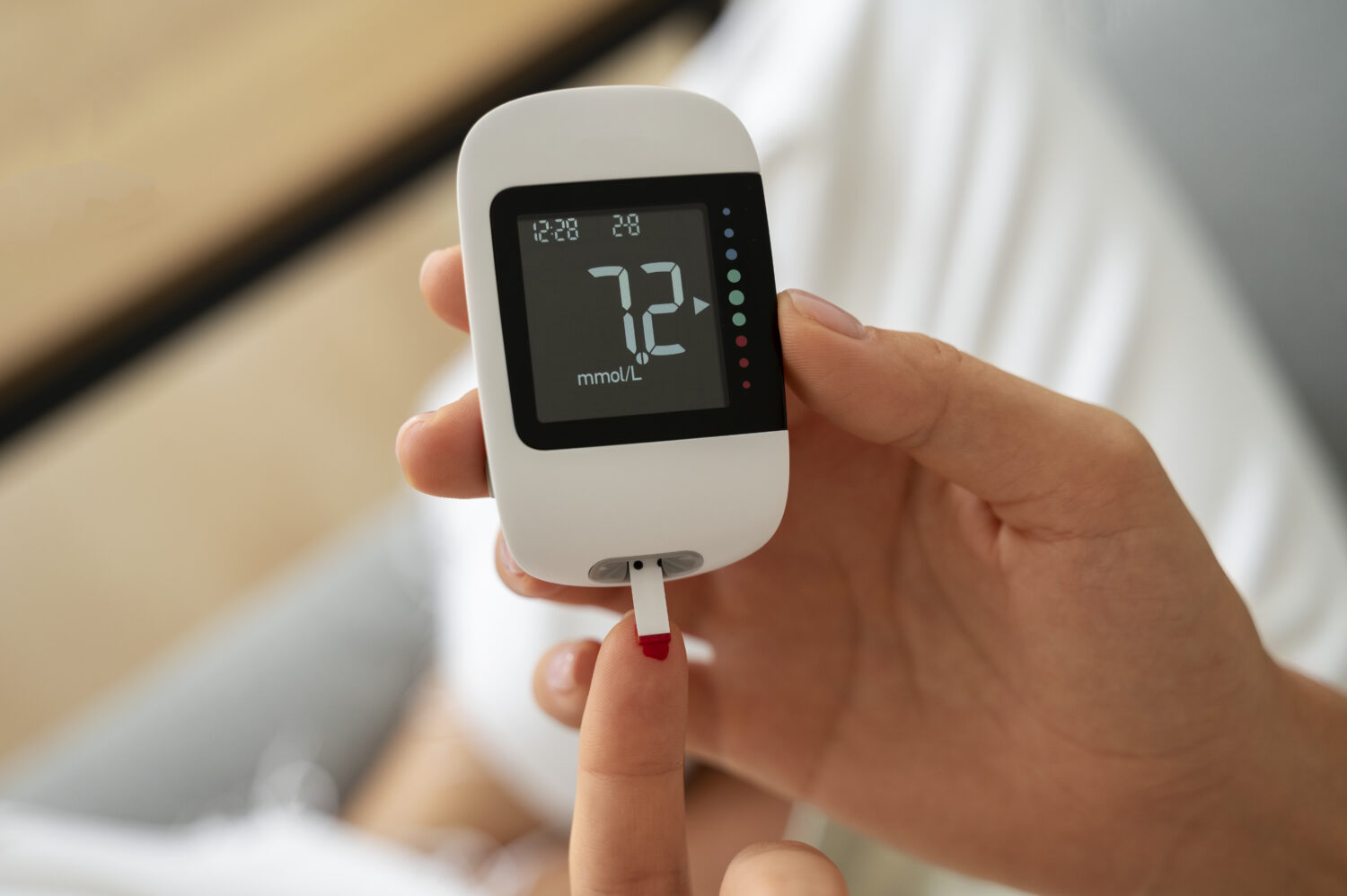
Lately, you have been experiencing a bad mood with low energy, cravings, and even mood swings.
But what’s really going on? Blood sugar might be a major factor. Most of us find it hard to keep our blood sugar levels steady, and this might influence not only our concentration but also our health.
The good news? Healthcare is becoming more technologically advanced, which makes it easier to keep things in check. Electronic Medical Record and Electronic Health Records systems are currently on the frontline with a view to monitoring and controlling blood sugar levels with accuracy. They are developed to offer proactive care, which is driven by and gets us out of reactive treatments.
We are going to look at how these technologies are changing blood sugar management and making it easy to manage your health.
Central Role of EMR/EHR in Blood Sugar Monitoring
A 2018 study in the Journal of Diabetes Science and Technology found that chronic disease patients seem to benefit most from decision support tools that alert physicians to drug interactions and communication tools that keep them informed and participating in their treatments, and detailed reporting and tracking that informs progress without over-testing.
1. Longitudinal tracking of:
- Fasting glucose
- EHR can be used to monitor fasting glucose over time.
- This aids clinicians in knowing the baseline levels of glucose control and points out deterioration at an early stage.
- Frequent monitoring can facilitate improved observation of the patterns of fasting blood sugar levels in a patient and influence treatment changes.
- Post-prandial glucose
- EMRs offer an opportunity to track the level of post-prandial glucose, which records data after a meal.
- Monitoring this data assists providers in determining the effectiveness of the body to process glucose following a meal.
- Measuring these levels over time will allow medical workers to optimize treatment plans related to meals.
- HbA1c
- HbA1c, which is a significant indicator of long-term blood sugar regulation, is monitored in the EMR system.
- This enables tracing the trends in months and informing clinicians of the average blood sugar levels of a patient.
- Ongoing HbA1c monitoring promotes a more effective long-term control and can help avoid the complications of a lack of good blood sugar control.
2. Identification of trends rather than isolated readings
- Compares data with time: EHRs emphasize monitoring trends of blood sugar levels, as opposed to single levels, and provide a more realistic health picture. A study published in the National Library of Medicine states that Monitoring Technologies will improve the lives of people with diabetes by measuring glucose and other biomarkers of glycemic control and linking glucose levels with insulin delivery to improve the lives of people with diabetes.
- Facilitates early detection of problems: Clinicians can detect deviations in blood sugar control earlier and take proactive action due to the identification of trends.
- Enhances the efficacy of treatment: Trend analysis aids in modifying treatment as per the current data and contributes to the more efficient management of blood sugar.
3. Support for early detection of deterioration
- Facilitates proactive action: EMRs are useful in recognizing the initial signs of blood sugar worsening so that medical administrators can modify care strategies before conditions emerge. A 2014 study in the Journal of Diabetes Science and Technology supports the ability of an EMR to identify prescribing practices and compliance with current guidelines in a population of patients already receiving pharmacologic therapy for T2D.
- Minimizes risks of chronic complications: Long-term intervention based on longitudinal data can minimize the risk of severe complications like diabetic retinopathy or neuropathy.
- Improves patient outcomes: Improved early warning of deterioration leads to improved sustainable outcomes by preventing irreversible harm.
4. Reduction in fragmented patient data
- Streamlines patient data: EHRs minimize fragmentation of patient information by storing all patient data in a single system, allowing all healthcare providers access to patient data.
- Enhances the coordination of care: Centralization of data allows coordinated work between providers, which means the patient will receive uninterrupted and coordinated care.
- Improves decision making: When clinicians see a comprehensive and centralized picture of the health of a patient, they can make more informed decisions, resulting in better blood sugar control.
Clinical Decision Support and Predictive Analytics
1. Automated alerts for abnormal glucose ranges
- Offers quick alerts on abnormal values: Automated alerts inform clinicians when the glucose levels in patients exceed or fall below the recommended level, which allows prompt intervention.
- Enhances prompt decision-making: Notifications assist the medical professional in making timely decisions, which may avert complications like hypoglycemia or hyperglycemia.
- Minimizes the risk of missing abnormalities: Automated systems serve as a backup, which ensures that significant variations in glucose levels are not ignored during peak clinical hours.
2. Risk stratification for hypoglycemia and hyperglycemia
- Early identification of high-risk patients: Predictive analytics enables stratification of patients with a high risk of hypoglycemia or hyperglycemia.
- Facilitates specific interventions: With high-risk people identified, care providers can engage in proactive measures to modify the treatment or offer further monitoring.
- Facilitates more personalized care: Risk stratification will make sure that a care plan is shaped to the unique needs of a person, enhancing blood sugar control.
3. Support for personalized care plans
- Leverages patient data to tailor treatment: Clinical decision support tools apply patient data to propose individualized care plans that are most likely to be effective.
- Helps personalize therapy and lifestyle changes: This systems allow the provider to make objective alterations to the medication, diet, and exercise interventions to bring the maximum benefit.
- Enhances patient-centered care: The individualized plans contribute to a higher adherence rate and a higher level of blood sugar control by matching the treatment to the lifestyle and preferences of the patient.
4. Data-driven adjustments to therapy and lifestyle recommendations
- Facilitates real-time changes to the care plan: Based on the constant data, EMRs allow to modify treatments and lifestyle recommendations so that the treatment plan changes with the condition of the patient.
- Improves the management of blood sugar levels: Real-time changes result in more effective management of blood sugar as the therapies and recommendations are fine-tuned according to the current information.
- Enhances total health outcomes: This is a dynamic care delivery model that can reduce complications and long-term health outcomes in diabetes patients.
5. Limitations of algorithm bias and incomplete datasets
- Danger of incorrect forecasts: Algorithms may be constrained by biases or insufficient data and thus give incorrect predictions or guidance.
- Needs constant updates and validation: To be accurate, algorithms need to be regularly revised on the basis of new information and verified against the specific situation of a particular patient.
- Needs clinician oversight: Clinician participation is essential to make sure the recommendations that are based on data are relevant and reflect the full health profile of the patient.
Integrating Lifestyle Data: Nutrition, Activity, and Supplement Use
1. Increasing ability to document:
- Eating habits: EHR systems can now record the details of eating habits, which helps medical facilities to determine the effect of food habits on the level of sugar. A study by the Public Library of Science concluded that integration of digital health technologies into diabetes management has the potential to improve patient outcomes by providing personalized dietary recommendations.
- Physical activity: Exercise is now reported, and clinicians can learn how exercise can be used to manage blood sugar levels and improve well-being.
- Nutritional supplement intake: EHRs now contain fields to follow nutritional supplement intake, which provides a more complete picture regarding the factors that define the metabolic health of a patient.
2. Importance of capturing supplement use to:
- Avoid interactions: Reporting of supplement use can help prevent adverse interactions between supplements and medications, which means that the treatment plans will be safe.
- Measured metabolic effect: Proper documentation of blood sugar supplements enables clinicians to determine their effect on metabolism and make necessary changes in the treatment plans.
- Support micronutrient adequacy: Monitoring supplements will aid in the provision of nutrients required to maintain metabolic activity and control blood sugar levels in patients.
3. Evidence suggesting certain nutrients support:
- Insulin sensitivity: Nutrients like magnesium and chromium are known to increase insulin sensitivity, which helps in better regulation of blood sugar.
- Glucose metabolism: Berberine has been shown to promote glucose metabolism by lowering insulin resistance and leading to more stable blood sugar levels.
- Tailor nutrition plans: EHRs enable clinicians to build individualized nutrition plans by combining the information about supplements that can enhance diabetes management and
Conclusion: Unlocking the Full Potential of Digital Records
Where does this take us as regards blood sugar management?
According to all that we have discussed, EMR and EHR systems are transforming the way we control blood sugar. Such technologies transform care into proactive instead of reactive, where data is used to predict problems and implement interventions in time.
These systems can provide a more personalized and effective treatment solution to health conditions like diabetes by combining lifestyle data and the development of Artificial Intelligence. EMRs and EHRs centralize important information, so healthcare providers can easily follow trends and make informed choices.
In a nutshell, these technologies are defining the future of blood sugar control and offer a more holistic and preventive way of controlling metabolic health.
References:
Diabetes Care and Management Using Electronic Medical Records:
https://pmc.ncbi.nlm.nih.gov/articles/PMC6610600/
Monitoring Technologies- Continuous Glucose Monitoring, Mobile Technology, Biomarkers of Glycemic Control:
https://www.ncbi.nlm.nih.gov/books/NBK279046/
Use of an Electronic Medical Record (EMR) to Identify Glycemic Intensification Strategies in Type 2 Diabetes:
https://pmc.ncbi.nlm.nih.gov/articles/PMC4604553/
Diabetes-focused food recommender system (DFRS) to enable digital health:
https://journals.plos.org/digitalhealth/article?id=10.1371/journal.pdig.0000530
Factors Influencing the Use of a Web-Based Application for Supporting the Self-Care of Patients with Type 2 Diabetes:
https://www.jmir.org/2011/3/e71/
