
We have traditionally been concerned about the health of the brain only after retirement, and this is a reactive approach to dealing with it, which often results in it being too late.
We should be even more concerned about memory and mental health. In the same way we are keeping track of cholesterol or blood pressure when we are in our 30s and 40s, we need to extend the same preventive thinking to our brain to enhance the long-term consequences.
Cognitive Decline Begins Earlier Than We Think
The changes in the brain, which accompany cerebral deterioration, do not manifest themselves overnight at the age of 70. They grow gradually, quietly, throughout decades. The brain you possess at 65 years old is the result of the decisions and situations in the 40s, 30s, and even earlier.
The underlying changes have frequently been accumulating over many years before someone realizes that his or her memory is not working properly, as in losing keys, forgetting or misremembering appointments, or struggling to recall names. The need for cognitive support to maintain memory often becomes apparent only at a later stage in life. The loss of memory is a late indication, just like chest pain is a late indication of heart disease. This delay is very expensive because individuals who would have benefited from early interventions are now exposed to more expensive cognitive difficulties and have limited improvement options.
Memory as a Public Health Concern, Not Just a Personal One
It is not only individuals that are affected by memory decline, but whole systems:
- Economic productivity: Cognitive problems can affect work performance and cause early retirement.
- Healthcare burden: Memory issues augment emergency services and long-term care.
- Family: The role of caregiving is frequently transferred to family, affecting their work, health, and economic status.
- Social independence: Mild cognitive impairment may decrease confidence, social skills, and life quality.
Although these are the prevalent effects, cognitive health is continuously underprioritized in healthcare systems. Heart disease, diabetes, and cancer have regular screenings, but brain health has been a majorly neglected aspect until issues are evident. This lapse is a failure to prevent it on a population level.
If we can screen for cholesterol at 35, why not establish a cognitive baseline at the same age?
Brain Food and Lifestyle: What Shapes Cognitive Resilience Over Time
Nutrition is gradually being researched in connection with the functionality of the brain. Eating styles, including the Mediterranean and MIND diets, with high levels of omega-3s, antioxidants, whole grains, and greens, have always demonstrated superior long-term cognition.
But brain food must have its context. There are no magic foods for brain health that will turn back the tide in a single day; the effects are a result of long-term trends and not a one-time intervention. You will never be able to save your memory by eating blueberries once; however, a nutritious diet over decades makes a significant difference.
In the end, the long-term impact of the nutritional decisions is the most important. Since the brain you will have in your 40s relies on the way you fed it in your 30s, nutrition is not a short-term scheme of cognitive resilience, but a long-term project.
Practical, Evidence-Based Ways to Improve Memory Early in Adulthood
Focus on Sleep Consistency.
A study, “The Neuroprotective Aspects of Sleep” suggests that if an individual continually has an insufficient amount of sleep, the repercussions could be hazardous, both short and long term ones. Thus, sleeping not only relieves stress and depression but also prolongs alertness and memory recall.
Exercise to Benefit the Brain.
A new study by researchers at UT Southwestern shows that when older adults with mild memory loss followed an exercise program for a year, the blood flow to their brains increased. Even moderately intense physical exercise of 150 minutes a week, such as brisk walking, can lower the risk of dementia by 30%.
Develop a Reservation By Lifelong Learning.
The ability of the brain to be challenged with new skills and complex material develops cognitive reserve. Mental activity in the long run prevents the loss that comes with aging.
Mitigate Chronic Stress
Chronic stress overwhelms the brain with cortisol, which may harm the hippocampus. A 2024 study by Abeer F. Almarzouki highlights the importance of implementing effective stress-management strategies to protect memory function and improve academic performance
Good Habits for Mental Health That Protect the Aging Brain
Long-term cognitive resilience is based on developing habits to help sustain mental health. The following are among the practices to embrace:
- Create routines: Consistency in meals, sleep, and work can decrease mental load and mental exhaustion and assist in enhancing attention and emotion control.
- Focus on social connection: Significant relationships are important to cognitive stimulation. Social living is associated with better brain functioning and reduced chances of brain deterioration.
- Include mind rest: It is important to take a break with the brain. Such things as mindfulness or unstructured rest periods are needed as healthcare in the long run.
These habits are robust in their accruing nature. The cognitive and emotional infrastructure required to facilitate healthy aging is the result of small and sustainable practices over the years.
The Role of Early Brain Health Screening in Reinforcing Prevention
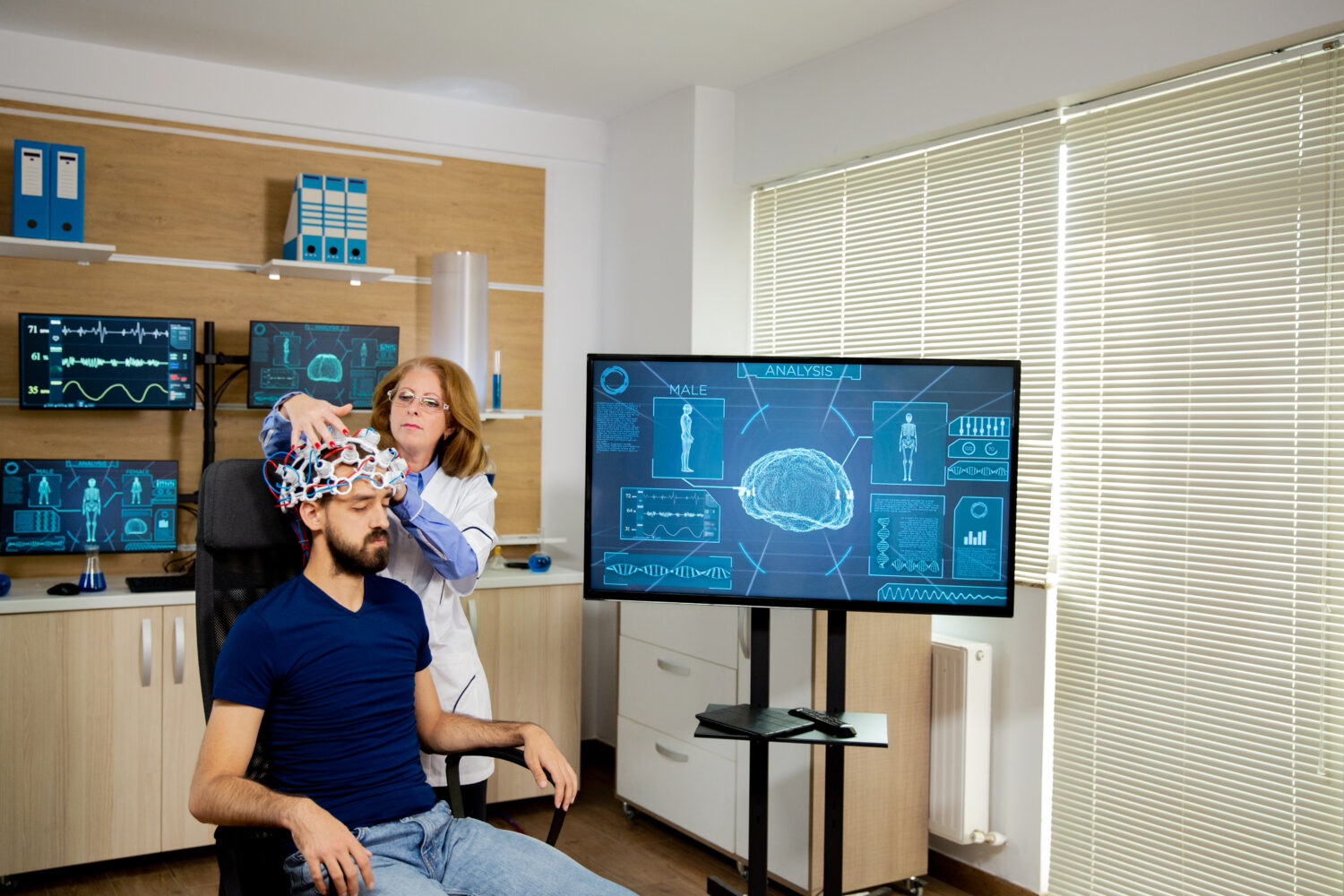
Setting cognitive floors earlier on in life – maybe in the 30s or 40s – may change our brain health ways. These screenings would not be diagnostic tools in search of disease, but awareness processes that would enable the individuals to know their cognitive strengths and weaknesses.
Initial baseline testing establishes some level of reference upon which changes can be measured. More importantly, they are capable of being strong incentives towards healthier behavior. A perception of tangible information regarding your cognitive activity may help make abstract threats of the future seem more present and real.
The intention is not to medicate normal cognitive differences or cause anxiety. Instead, it is to make brain health a regular wellness measure, as we have made blood sugar or blood pressure a regular measure.
Risks, Limitations, and Ethical Considerations
The process of any expansion of brain health screening has to face major challenges:
- Overgeneralization: Not every memory solution is effective on everyone; everyone is different.
- Misinformation: The consumer wellness markets advertise an infinite number of untested products and supplements that claim to enhance brain health.
- Anxiety and labeling: Screening may cause unreasonable anxiety or stigma, especially when it is not done in a proper context.
- Access and equity: Preventive screening should be available in all socioeconomic groups to prevent the expansion of health inequalities.
Evidence-based guidance has never been more important than now in terms of the proliferation of questionable brain training applications, costly supplements, and exaggerated claims. The healthcare providers and the community healthcare systems should be ready to provide responsible screening- with properly reported information, proper follow-ups, and effective, scientifically-based recommendations.
Reframing Brain Health as a Lifelong Preventive Priority
There is no point in protecting your memory when you start experiencing the symptoms, but rather decades ago, when you choose how you live every day, what you eat, how you work out, and what your social life looks like. Our brain is very sensitive to the way we treat it in our lives.
Brain health must be included in the mainstream preventive health, in addition to heart health and cancer screening. This demands some change in the approach to cognitive aging by individual people and the healthcare systems. In this evolving preventive framework, brain supplements can serve as a supportive option alongside nutrition, lifestyle choices, and early cognitive care.
The benefits are system-wide. The longer a population remains of cognitive functional age, the more independent, productive, and engaged it is; hence, prevention is more cost-effective than late intervention. This enhances strain reduction on care systems and quality of life.
It is not a matter of whether it is affordable to invest in the health of the brain, but it is a matter of whether we can afford not to. The need to pay closer attention earlier is a case that cannot be disputed as our knowledge increases. The aging brain does not necessarily deteriorate; a proper approach can help it to stay strong and healthy.
References:
