
It’s no secret that when the COVID-19 pandemic hit over a year ago, healthcare was one of the most impacted industries in the world. As the founder of a startup that works with a number of large healthcare systems, our ability to see patients virtually (via telehealth) is not only what kept us afloat, but the very thing that allowed us to expand our reach far outside of our providers’ service areas. But it’s not about just servicing more patients or broadening our patient pool — there are countless benefits to telehealth, especially when it comes to functional nutrition or medical nutrition therapy.
Functional nutrition (done right) addresses the root cause of chronic disease: insulin resistance, which is primarily caused by obesity, an inactive lifestyle, and a diet high in carbohydrates. Through simple dietary changes, most chronic illnesses can be halted and even reversed. Now, with telehealth, dietitians can literally meet patients right where they are: providing recipe ideas, taking stock of their pantry, even virtually grocery shopping with patients to take the stress out of meal planning.
When telehealth was forced into action following stay-at-home orders, engagement from a functional nutrition standpoint was concerning. How would patients feel about meeting with a dietitian who couldn’t see their whole body, or pick up on nonverbal cues? When you have the patient in front of you, distractions are eliminated and the patient can focus on their health for that moment. I was worried that moving everything online would disrupt the patient-dietitian experience but quickly learned the exact opposite was happening. I wasn’t prepared for how telehealth would skyrocket my own healthcare business and dramatically increase engagement. Here are a few best practices we put in place to make telehealth work for everyone.
1. Show Your Face.
Not surprisingly, video versus phone visits yields drastically higher levels of engagement — adding a level of accountability that you just can’t achieve with a phone call. In fact, a patient’s ability to be fully present can make a huge difference in outcomes. Non-verbal cues communicate a lot — whether a patient has a complete understanding of next steps, is uncomfortable with (or confused by) anything, onboard or on the fence, and more. Avoid multitasking at all costs and use video whenever possible.
2. Follow-Up, Follow-Up, Follow-Up.
While nutrition changes can seem small for some patients, they can be daunting (at first) for others. Especially regarding functional nutrition, we’re working on not just diet but overall lifestyle changes to ensure lasting results. If someone feels like they’re in it alone, they’re far less likely to stick with the plan. That’s why multiple touchpoints are key — from email reminders to text message prompts, check-in phone calls from health coaches, and more. Helping your patients feel like you’re with them on the journey is the only way to ensure telehealth works for all involved.
3. Share Resources – It’s Easier Than Ever!
Video appointments offer tremendous resource-sharing opportunities — from screen sharing or chatting links to articles and recipes, to (virtually) going into a patient’s kitchen to help with meal prep, cooking, pantry and fridge inventory, and more. The possibilities are endless. Plus, any technology that facilitates remote patient monitoring (like in-app glucose logs and Bluetooth-enabled scales) enhances telehealth’s efficacy. By giving our providers access to their patient’s clinical data, we’re earning both patients’ and providers’ trust, while giving physicians the intel they need to further diagnose, monitor and treat.
4. Over Communicate and Embrace Texting
Telehealth isn’t the only tech worth using. Texting has become the new standard of communication in the patient/provider relationship. While it may seem small, a quick, “How are things going?” text can make a world of difference to someone who’s struggling with their plan or thinking about giving up. With in-office visits, you typically don’t hear from your physician in between appointments. But the use of tech allows providers to keep a regular finger on the pulse of their patients. In fact, our dietitians frequently receive texts from patients about healthy deliveries, being able to pick up their grandchildren again, fitting into a certain pair of pants for the first time in ten years, and more.
With technology’s evolving role in healthcare, it’s more important than ever to ensure a personal touch through every step of the process. This is what elicits trust and drives results. Patients need to know that someone cares, knows their story, and gets what they’re going through. Weave that into everything you do and you’ll no doubt see the results you’re after.
About David Rambo
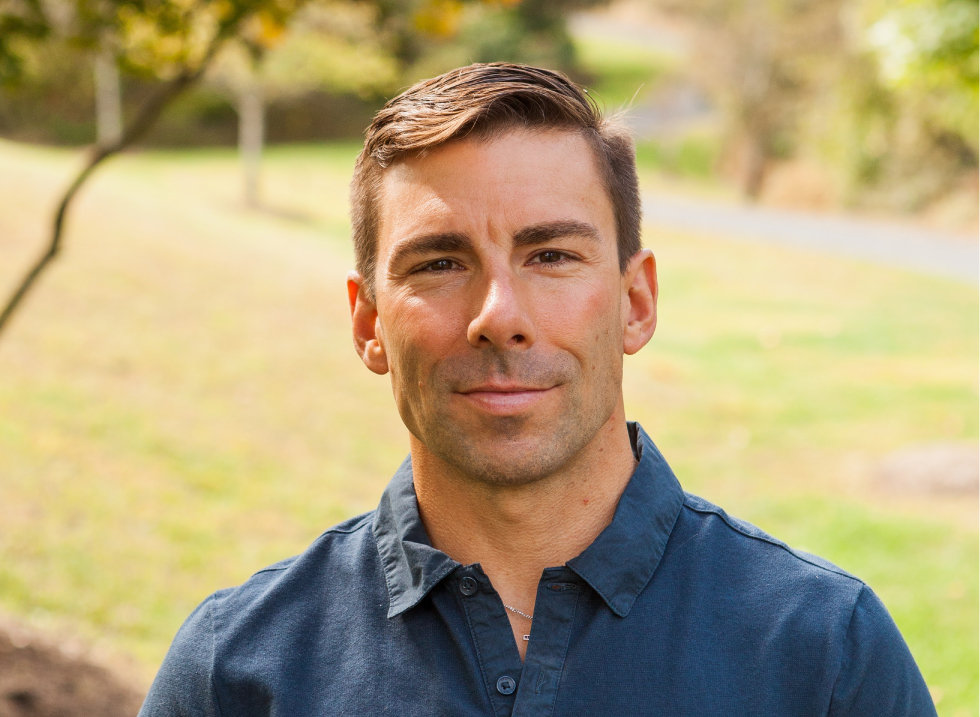
David Rambo is the Chairman & CEO of Simplex Health. David is an accomplished entrepreneur with over 20 years of experience in the health and wellness industry. David founded Simplex Health following his personal experience with type 2 diabetes; he was unsatisfied with the conventional medicine response to control and manage the disease and ineffectual standard of care. David learned about the possibility of disease reversal, a paradigm shift in medicine, from physicians with expertise in the emerging field of functional medicine, which focuses on the root cause of disease.
Within 4 months, David was successful in reversing his type 2 diabetes and safely eliminated the need for prescription medication incorporating the same innovative dietary therapies that Simplex patients experience today. He created Simplex Health with the mission of bringing the same life-changing model of care to the conventional insurance model, increasing access to everyone & providing individualized protocols and therapies that positively alter the lives of millions.
